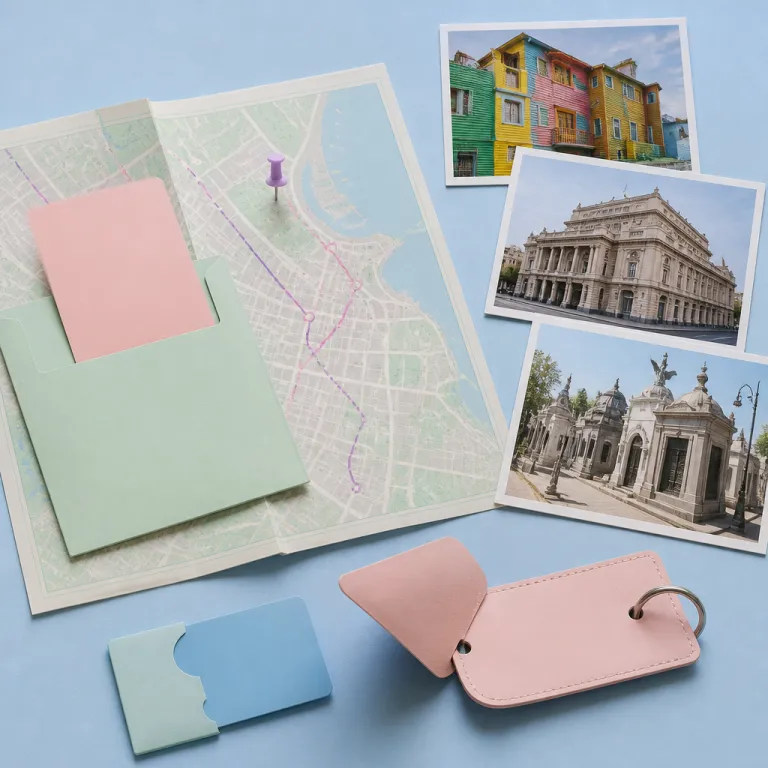
Why luxury travelers rate Buenos Aires among the best cities to see
Buenos Aires stands apart in Argentina as a capital where European elegance meets Latin American energy. The city offers many of the best cultural attractions in Buenos Aires for travelers who value gastronomy, architecture, and refined hotels within walking distance of major sights. In this guide you will see how to pair each cultural hotspot with the right luxury neighborhood, so your time in the city feels effortless rather than rushed.
For many guests, the first impression of Buenos Aires comes from the grand avenues around Plaza de Mayo and the nearby Teatro Colón. This historic heart of the city concentrates several of the most emblematic places to visit in Buenos Aires, while five star properties in Microcentro and Retiro provide easy access for a morning walking tour or a private chauffeured tour. When you plan your visit, think in compact cultural clusters rather than isolated attractions, because this strategy will save time and elevate your overall travel experience.
Luxury and premium hotels in Buenos Aires often design curated itineraries that highlight both iconic monuments and lesser known corners. A concierge who knows the city can help you secure premium tickets for Teatro Colón, arrange a private tango evening, and book a table at a historic café in the same day. Choosing a hotel with a strong cultural concierge team is one of the most effective ways to turn a short stay into a deeper connection with Buenos Aires.
Historic center highlights near luxury hotels: Plaza de Mayo, Casa Rosada and Teatro Colón
The historic center of Buenos Aires offers many of the top landmarks in Buenos Aires within a compact radius, ideal for guests staying in high end properties in Microcentro or nearby Puerto Madero. From many hotels you can reach Plaza de Mayo in less than fifteen minutes on foot, which makes it easy to visit the square early in the day before the crowds arrive. Around this plaza you will see the Casa Rosada, the Metropolitan Cathedral, and elegant bank buildings that reflect the financial power of Argentina in the early twentieth century.
Teatro Colón, located on Cerrito 628, is widely regarded as one of the best opera houses in South America and a must among the essential cultural experiences in Buenos Aires. Guided tours usually run daily from mid morning to late afternoon and allow you to appreciate the architecture, the acoustics, and the backstage areas without attending a performance. Many luxury hotels in the city center can arrange priority access or timed tickets, which is especially valuable when your time in Buenos Aires is limited to a few days.
After a morning walking tour of Plaza de Mayo and Casa Rosada, you might continue along Avenida de Mayo toward Café Tortoni at Avenida de Mayo 825, the legendary café that has hosted writers, politicians, and tango musicians. Pause for a thick hot chocolate or a cortado while you watch porteños reading the newspaper at marble topped tables and hear the low murmur of conversations echoing under stained glass ceilings. This area offers some of the classic things Buenos Aires is known for, from traditional cafés to grand bookstores such as El Ateneo Grand Splendid, which often appears on lists of the best bookstores in Latin America. For curated ideas on elegant ways to experience the best Buenos Aires sights to see, you can consult this detailed guide on elegant Buenos Aires sightseeing for discerning guests.
Recoleta refinement: art, Recoleta Cemetery and café culture for premium stays
Recoleta is often the preferred neighborhood for travelers who want a calm, refined base near many of the most interesting places to see in Buenos Aires. Tree lined streets, French style architecture, and a concentration of luxury and premium hotels make this part of the city ideal for guests who value quiet evenings and easy daytime access to museums. From most Recoleta properties you can reach the Museo Nacional de Bellas Artes on Avenida del Libertador 1473 and the famous Recoleta Cemetery in less than ten minutes on foot.
The Recoleta Cemetery covers about 5.5 hectares and is one of the most visited cultural sites in the city, known as the resting place of Eva Perón and many other figures from Argentina’s political and cultural history. According to data published by the cemetery administration in 2022, a focused walking tour of at least ninety minutes is advisable to appreciate its main avenues and mausoleums. Combining the cemetery with the nearby fine arts museum and a relaxed stop at a traditional café creates a full day that balances history, art, and the quieter side of Buenos Aires.
Many luxury hotels in Recoleta offer late checkout on Sundays, which pairs perfectly with a slow morning at a local café before you continue your travel to other parts of Latin America. If you enjoy literary atmospheres, ask your concierge to arrange a visit to El Ateneo Grand Splendid on Avenida Santa Fe 1860, housed in a former theater and often cited among the most memorable things to see in Buenos Aires for book lovers. For guests focused on cultural hotspots, this area delivers a sophisticated mix of museums, plazas, and cafés without the intensity of nightlife found in Palermo Soho or San Telmo.
San Telmo and La Boca: tango heritage, markets and colorful streets
South of the historic center you will find San Telmo and La Boca, two neighborhoods that concentrate many of the best things to do in Buenos Aires for visitors interested in tango, street art, and local markets. San Telmo is one of the oldest areas of the city, with cobbled streets, antique shops, and historic cafés that come alive especially on Sundays. Luxury travelers often stay in central or Puerto Madero hotels and reach San Telmo by a short taxi ride of around ten minutes, which allows them to enjoy the atmosphere without compromising on comfort.
The San Telmo Market on Defensa 963 is a highlight, particularly on Sunday when the surrounding streets host an open air fair with antiques, art, and live tango performances. The smell of grilled choripán mixes with the sound of bandoneóns as dancers improvise in front of old townhouses and children weave between the stalls. A curated walking tour with a specialist guide will help you navigate the market, identify quality pieces, and understand how tango evolved in this part of Buenos Aires. If you are passionate about collecting, you may appreciate this in depth article on Buenos Aires antiques, silver, and first editions beyond the Sunday fair, which explores how to go beyond the obvious stalls.
Further south, La Boca offers Caminito, a colorful street museum, and the iconic La Bombonera stadium, home of Boca Juniors, both considered among the most famous attractions in Buenos Aires for first time visitors. Many premium tour operators offer combined itineraries that include La Boca, San Telmo, and the nearby riverfront, often ending with an evening tango show and dinner. For a structured overview of Buenos Aires sightseeing for luxury travelers seeking cultural hotspots, you can review this specialized guide on cultural sightseeing for luxury travelers in Buenos Aires.
Palermo and Puerto Madero: contemporary Buenos Aires for design focused guests
Palermo and Puerto Madero represent the contemporary face of Buenos Aires, with design forward hotels, high end restaurants, and vibrant nightlife. Palermo Soho in particular has become a favorite neighborhood for younger luxury travelers who want to combine key Buenos Aires attractions with late night dining and shopping. Streets here are filled with independent designers, wine bars, and small galleries that reflect the creative side of the city.
During the day you can enjoy the Palermo Parks, a vast green area ideal for jogging, cycling, or simply relaxing between museum visits and shopping. Many premium hotels in Palermo offer bicycles or can arrange a private guide for a tailored walking tour that connects the parks with nearby museums and cafés. This balance between nature and urban culture makes Palermo one of the most appealing areas Buenos Aires offers to travelers who prefer a more residential atmosphere.
On the riverfront, Puerto Madero showcases sleek towers, renovated docks, and some of the most exclusive restaurants in Buenos Aires, making it a strong choice for guests who value water views and modern architecture. Several luxury hotels here provide easy access to the ecological reserve and to the city’s financial district, which is convenient for business and leisure travel combined in one visit. Whether you choose Palermo Soho or Puerto Madero as your base, you will be well positioned to explore both the historic and contemporary sides of Buenos Aires.
Day trips and curated experiences: Tigre Delta, tango nights and café culture
Once you have explored the main urban attractions, consider a day trip to the Tigre Delta, which many guests rank among the most rewarding excursions from Buenos Aires beyond the city limits. The Tigre Delta is a network of islands and waterways north of the capital, accessible by train from Retiro station in about fifty minutes or by private transfer from most luxury hotels. A premium tour often includes a private boat, a refined lunch, and time to appreciate how local residents live along the river.
Back in the city, an evening dedicated to tango is essential if you want to understand why Buenos Aires is often called the tango capital of South America. High end tango houses offer dinner shows with live orchestras, while some hotels arrange more intimate experiences with professional dancers and musicians. When you book, ask whether the performance focuses on traditional tango or includes modern interpretations, because this will shape how you remember your time in Buenos Aires.
Café culture is another thread that connects many of the most interesting things to see in Buenos Aires, from Café Tortoni in the center to smaller cafés in Palermo and Recoleta. Spending an unhurried hour in a historic café will reveal as much about the city as a formal museum visit, especially if you pay attention to how locals use these spaces for conversation and reading. To deepen your understanding of the city’s cultural rhythm, alternate intense sightseeing days with slower café focused days, which will keep your travel experience balanced and enjoyable.
Practical tips for choosing luxury hotels near the best things to see in Buenos Aires
When selecting a luxury or premium hotel in Buenos Aires, start by mapping the cultural hotspots that matter most to you. If your priority is opera, classical music, and historic architecture, staying near Teatro Colón and Plaza de Mayo will minimize transfer time and allow spontaneous evening walks. Travelers who care more about design, gastronomy, and nightlife may prefer Palermo Soho or Puerto Madero, where many of the most appealing things Buenos Aires offers are within a short taxi ride or walking distance.
Concierge services are a key differentiator in the luxury segment, especially in a city with as many options as Buenos Aires. A strong concierge team can secure tickets for Teatro Colón, arrange a private walking tour of Recoleta Cemetery, and book a table at Café Tortoni or another historic café without you needing to manage local logistics. When evaluating hotels, ask specific questions about their relationships with cultural institutions in Buenos Aires, because established partnerships often translate into better access and more personalized experiences.
Finally, consider how you like to structure your day when you travel, since this will influence the best neighborhood choice. Guests who enjoy early morning walks may appreciate staying near parks in Palermo or Recoleta, while those who prefer late dinners and tango shows might prioritize areas with easy night time transport. By aligning your hotel location with the cultural attractions in Buenos Aires that match your interests, you will ensure that every day in this Latin American capital feels both efficient and deeply rewarding.
Key figures for cultural travel in Buenos Aires
- Buenos Aires welcomes around 2.5 million international tourists per year according to the Buenos Aires Tourism Board (reported for 2019 on turismo.buenosaires.gob.ar), which keeps the cultural scene dynamic while still manageable compared with some larger capitals in Latin America.
- Teatro Colón has a capacity of 2,487 seats as reported by the official theater administration in 2021 (teatrocolon.org.ar), so securing tickets through your hotel concierge can be crucial during peak performance seasons.
- The Recoleta Cemetery covers approximately 5.5 hectares based on data from the cemetery administration published in 2022 (cementeriorecoleta.com), which means a focused walking tour of at least ninety minutes is advisable to appreciate its main avenues and mausoleums.
- Key attractions such as Teatro Colón, Plaza de Mayo, and the Museo Nacional de Bellas Artes offer guided tours throughout the day, typically priced from the equivalent of 10 to 30 US dollars per person, making it easy for luxury travelers to integrate cultural visits between business meetings or spa appointments.
FAQ about luxury cultural travel in Buenos Aires
What is the best time to visit Buenos Aires for cultural sightseeing ?
Spring from September to November and autumn from March to May offer pleasant temperatures and fewer heat waves, which makes walking tours around Recoleta, San Telmo, and the historic center more comfortable. These seasons also align with many cultural events at Teatro Colón and other institutions. Booking your hotel and key tours several weeks in advance is advisable during these popular periods.
Is Buenos Aires safe for luxury travelers staying near major attractions ?
The city is generally safe for tourists who exercise standard precautions such as avoiding isolated areas late at night and keeping valuables discreet. Luxury and premium hotels around Recoleta, Palermo, Puerto Madero, and the Microcentro typically offer secure environments with trained staff and reliable transport options. Using official taxis or private transfers arranged by your hotel further enhances safety when moving between neighborhoods like La Boca, San Telmo, and the city center.
Do I need to speak Spanish to enjoy the best things to see in Buenos Aires ?
Basic Spanish is helpful, especially in local markets and smaller cafés, but many staff members in luxury hotels, high end restaurants, and major museums speak English. Guided tours of Recoleta Cemetery, Teatro Colón, and the Tigre Delta are often available in multiple languages. Learning a few key phrases will enrich your interactions, yet it is entirely possible to navigate the city comfortably in English.
How many days should I plan to experience the main cultural hotspots ?
A stay of four to five days allows you to see the principal attractions such as Plaza de Mayo, Casa Rosada, Teatro Colón, Recoleta Cemetery, San Telmo, La Boca, Palermo, and Puerto Madero at a relaxed pace. With this amount of time you can also include a day trip to the Tigre Delta or an extended museum visit. Shorter stays are still rewarding, but you will need to prioritize a few neighborhoods and rely more heavily on your hotel concierge for efficient planning.
What is the best way to move between cultural neighborhoods in Buenos Aires ?
Walking tours are ideal within compact areas like Recoleta, San Telmo, and the historic center, while taxis or private drivers are more comfortable for longer distances between Palermo, Puerto Madero, and La Boca. Public transport is extensive and affordable, but many luxury travelers prefer the convenience and safety of hotel arranged transfers. Combining walking with short rides will help you experience the city’s atmosphere without losing time in transit.
References
- Buenos Aires Tourism Board
- Teatro Colón official information
- Recoleta Cemetery administration