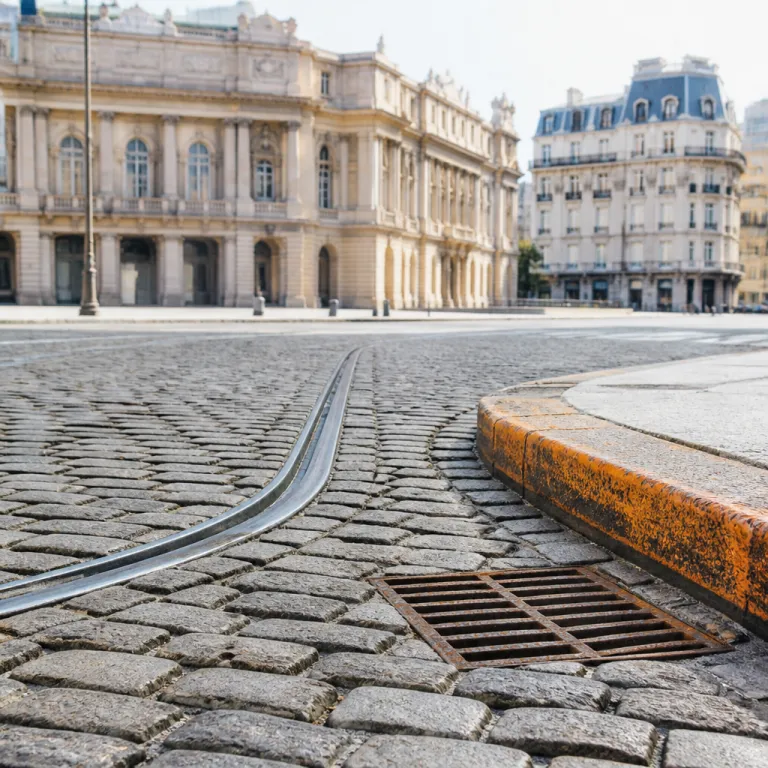
Buenos Aires sightseeing through a luxury lens
Buenos Aires sightseeing begins the moment your car glides from Ministro Pistarini International Airport (Ezeiza) toward the city center, a drive that usually takes 35–50 minutes depending on traffic. At peak evening hours, a private transfer can stretch closer to an hour, which makes it worth coordinating arrival times with your hotel. The first impression of this vast metropolis is an elegant mix of European style and unmistakably Argentine energy, with jacaranda trees, domed rooftops, and busy cafés setting the tone for a refined stay in Argentina.
Where you stay shapes how you experience the city’s culture, and a simple neighborhood matrix can clarify the decision. Recoleta and Palermo Chico offer art museums, leafy parks, and classic architecture; Palermo Soho and Hollywood add nightlife, boutiques, and design-forward hotels; the historic center around Plaza de Mayo and Teatro Colón delivers instant access to plazas, political landmarks, and performance venues; Puerto Madero provides contemporary towers, waterfront promenades, and easy transfers to business districts; San Telmo brings cobbled streets and tango culture, though many guests prefer to sleep in quieter nearby areas. Mapping your must-see museums, plazas, and tango venues against these districts helps you choose a base that keeps transfers short and every outing purposeful.
Historic Buenos Aires: plazas, palaces, and grand cafés
Any in-depth tour of Buenos Aires eventually circles back to the historic core, where plazas, palaces, and cafés reveal the city’s layered identity. Plaza de Mayo is the natural starting point, framed by the Metropolitan Cathedral, the Cabildo, and the unmistakable Casa Rosada that anchors Argentina’s political life. From a luxury hotel in the city center you can walk to Plaza de Mayo in minutes, then continue along nearby streets to explore government buildings and financial institutions that shaped the Argentine capital.
High-end travelers often pair a morning at Plaza de Mayo with a refined stop at Café Tortoni, one of the most storied cafés in Buenos Aires. A private guide can reserve a quiet table at Café Tortoni, allowing you to linger over coffee and medialunas while hearing how writers, artists, and tango musicians once filled this room with ideas and music. The clink of porcelain cups, the faint smell of roasted beans, and the creak of wooden floors turn a simple pause into a scene that feels lifted from a novel. This combination of plaza, palace, and café gives your time in the city a narrative arc, turning a simple walk into a curated journey through time.
From Plaza de Mayo, stroll or drive along Calle Florida, the pedestrian street that has long connected shoppers, office workers, and visitors in the heart of the city. Luxury travelers may prefer to visit Calle Florida early in the day, when the street is less crowded and the architecture of the surrounding buildings is easier to appreciate. Several premium hotels sit within a short distance of this street, which means you can enjoy the energy of Calle Florida, then retreat quickly to the calm of your suite when you have had enough of the crowds.
Opera lovers should align their cultural program with a tour or performance at Teatro Colón, widely regarded as one of the best opera houses in Latin America. Many English-speaking guided tours operate here, and as the official information confirms, “Are guided tours available in English? Yes, many tours offer English-speaking guides.” Tours often sell out several days in advance in high season, so checking availability early in your stay is wise. For a deeper overview of how these landmarks fit into a refined itinerary, you can consult official resources from Teatro Colón and the Buenos Aires Tourism Board before finalizing your hotel booking.
San Telmo and La Boca: tango, street life, and color
Exploring Buenos Aires feels incomplete without time in San Telmo and La Boca, two neighborhoods where tango, street life, and color dominate the scene. San Telmo is one of the oldest areas of the city, and its cobbled street grid, antique shops, and Sunday market make it a favorite for travelers who enjoy slow wandering. Choosing a luxury hotel within a short drive of San Telmo allows you to visit during the liveliest hours, then return easily to a quieter district when you are ready to rest.
In San Telmo, the main plaza and surrounding streets host tango dancers, musicians, and artisans who turn the neighborhood into a living stage. Street tango performances appear around Plaza Dorrego, and you can sit at terrace restaurants to watch couples glide across the stones while you taste Argentine wines. One recent visitor described hearing the first bandoneón notes echo off the balconies as “the moment the city finally made sense,” because the combination of tango, art, and history condenses into a single square that feels both intimate and theatrical.
La Boca, and especially the Caminito area, offers a different angle on the city, with brightly painted houses, murals, and constant movement. Here, tango dancers perform on the street, artists sell paintings that depict the port and the city, and restaurants serve hearty dishes that reflect the working-class roots of the neighborhood. Luxury travelers often arrange private transfers to La Boca, since the area around Caminito is best enjoyed during the day and with a guide who understands both its football culture and its immigrant history.
For those who want to connect these cultural hotspots with a more refined side of the city, it is wise to balance San Telmo and La Boca with evenings in Puerto Madero or Recoleta. An excellent resource for planning such contrasts is the official Buenos Aires Tourism Board, which helps you pair gritty street experiences with polished dining rooms and museum visits. This balance ensures that your time in Buenos Aires includes both the raw energy of street tango and the calm sophistication of waterfront restaurants and gallery-lined avenues.
Recoleta and Palermo: art museums, parks, and refined stays
Many luxury travelers choose Recoleta or Palermo as their base for discovering Buenos Aires, because these neighborhoods combine culture, greenery, and high-end hotels. Recoleta is home to the famous cemetery where notable Argentine figures rest, as well as grand avenues lined with French-inspired architecture. From a suite overlooking a leafy plaza, you can walk to Recoleta Cemetery in minutes, then continue to nearby museums and cafés that define this part of the city.
Art lovers will find some of the best collections in Latin America within easy reach of Recoleta and Palermo Chico. The Museo Nacional de Bellas Artes, often considered the leading art museum in Argentina, houses European masters alongside major Argentine painters, while the nearby Museo de Arte Latinoamericano de Buenos Aires focuses on modern art from across Latin America. Staying in Palermo Chico or upper Recoleta allows you to visit these institutions early, before tour groups arrive, and then return to your hotel for a late lunch at one of the surrounding restaurants.
Palermo itself is a large neighborhood divided into distinct areas, each with its own character and hotel scene. The parks and gardens of Palermo offer a green counterpoint to the dense city center, and many premium properties here feature terraces, pools, and wellness spaces that appeal to travelers planning a longer time in Buenos Aires. When you stay in Palermo, you can structure your days around leisurely mornings in the parks, followed by afternoons in galleries and evenings in some of the city’s best restaurants.
To understand how each district shapes your stay, it is helpful to read a detailed analysis from institutions such as the Museo Nacional de Bellas Artes or MALBA on how their surrounding neighborhoods have evolved. This perspective clarifies whether you should prioritize proximity to an art museum, a park, or a nightlife hub when choosing your hotel. Once you know which experiences matter most, you can align your city explorations with a neighborhood that supports your rhythm rather than working against it.
Puerto Madero and the waterfront: contemporary luxury and easy access
Puerto Madero represents the contemporary face of Buenos Aires, with glass towers, renovated docks, and a waterfront promenade that feels distinct from the historic city center. Many of the city’s most modern luxury hotels stand here, offering river views, spacious rooms, and direct access to a long pedestrian path ideal for morning runs or sunset walks. For travelers who appreciate clean lines and a quieter atmosphere, Puerto Madero can be the best base for combining business and leisure in Argentina.
From Puerto Madero, it is easy to reach key cultural sites while enjoying the calm of the docks between excursions. A short drive or comfortable walk connects you to Plaza de Mayo, Casa Rosada, and the financial district, so you can move from boardroom to palace square in a single morning. Public transportation options, including buses and nearby Subte stations, support efficient movement, though many luxury travelers prefer private cars for comfort and flexibility when planning their days in the city.
The restaurants in Puerto Madero are a major draw, especially for evening dining after a full day of exploring. Waterfront steakhouses, seafood specialists, and contemporary Latin American kitchens line the docks, allowing you to sample Argentine beef, Patagonian fish, and inventive tasting menus without leaving the neighborhood. This concentration of high-end restaurants means you can spend more time enjoying the view and less time crossing the city in traffic at night.
Puerto Madero also offers easy access to cultural venues and green spaces that round out a luxury stay. The nearby ecological reserve provides a rare stretch of nature within walking distance of five-star hotels, while the Puente de la Mujer footbridge has become an architectural icon in its own right. When you combine these elements, Puerto Madero becomes not just a place to sleep, but a strategic hub for city sightseeing that balances modern comfort with quick access to the most historic parts of Buenos Aires.
Literary and café culture: from Ateneo Grand Splendid to Café Tortoni
Buenos Aires sightseeing for culturally curious travelers often revolves around its legendary bookstores and cafés, where literature and conversation still shape daily life. El Ateneo Grand Splendid, housed in a former theater, is frequently cited as one of the most beautiful bookstores in the world, and it deserves a dedicated visit. Staying in Recoleta or the nearby city center makes it easy to reach Ateneo Grand Splendid early, when the lights are soft, the balconies are quiet, and the stage-turned-café invites you to linger with a book.
Pairing Ateneo Grand Splendid with Café Tortoni creates a literary-themed day that reveals how deeply reading and debate are woven into the culture of Buenos Aires. You might start with a late-morning browse among the shelves of Ateneo Grand Splendid, then move by taxi or public transportation to Café Tortoni for an afternoon coffee under stained glass and carved wood. Many luxury hotels can arrange private guides who specialize in literary history, connecting these venues with the writers and intellectuals who helped define modern Argentina.
Beyond these icons, the city is filled with smaller cafés and independent bookstores that reward slow exploration. Neighborhoods like San Telmo, Palermo, and Recoleta each host their own clusters of cafés where you can pause between museum visits or shopping on Calle Florida, turning simple breaks into meaningful moments. Choosing a hotel within walking distance of such venues adds texture to your Buenos Aires itinerary, because every stroll becomes an opportunity to sit, read, and watch the city move around you.
For travelers who value quiet corners as much as grand monuments, this café and bookstore circuit can be as important as visits to major museums or plazas. It offers a way to feel the rhythm of the city at a human scale, far from the busiest tourist routes. When combined with evenings at Teatro Colón or dinners in Puerto Madero, these intimate experiences help balance your schedule and deepen your connection to Buenos Aires.
Practical tips for luxury hotel booking and moving around the city
Thoughtful planning transforms Buenos Aires sightseeing from a checklist into a seamless experience, especially when you match your hotel choice with your preferred way of moving around the city. The local public transportation network is extensive and generally reliable, with Subte lines and buses connecting most neighborhoods of interest to visitors. As official guidance confirms, “Is public transportation reliable in Buenos Aires? Yes, the city has an extensive and reliable public transport system.”
Luxury travelers, however, often combine public transportation with private cars and guided tours to maximize comfort and efficiency. Many high-end hotels maintain relationships with trusted drivers and local tour operators, allowing you to arrange half-day or full-day excursions that link multiple districts without the stress of navigation. This approach is particularly useful when you want to see San Telmo, La Boca, and Puerto Madero in a single day, or when you plan to attend an evening performance at Teatro Colón after a full schedule of museum visits.
When booking a hotel, consider not only the star rating but also the walking distances to your top priorities, whether that means an art museum, a plaza, or a favorite restaurant. Properties in Recoleta and Palermo Chico work well for travelers focused on museums and parks, while those in the city center or near Plaza de Mayo suit visitors who want immediate access to political and historic sites. Puerto Madero, by contrast, is ideal for guests who value contemporary design, waterfront views, and quick transfers to both the business district and the main cultural attractions.
Finally, remember that Buenos Aires welcomes millions of visitors each year, many of whom come specifically for cultural tourism, so demand for the best-located luxury hotels can be strong in peak seasons. The Buenos Aires Tourism Board reported around three million international visitors in 2019, underscoring the need to plan ahead. Booking early secures not only better room categories but also access to concierge services that can arrange restaurant reservations, private museum tours, and premium tango shows. With this level of planning, your time in Buenos Aires becomes an elegant sequence of well-timed experiences rather than a series of logistical challenges.
Key figures for cultural tourism and Buenos Aires sightseeing
- Approximately 3 000 000 tourists visited Buenos Aires in 2019, according to the Buenos Aires Tourism Board, which underscores the city’s status as a major cultural destination in Latin America.
- The Buenos Aires Cultural Affairs office identifies around 50 significant landmarks across the city, giving travelers a wide range of plazas, museums, and historic buildings to include in their itineraries.
- Guided walking tours have increased in popularity in recent years, reflecting a broader global trend toward experiential travel and deeper engagement with local history and street life.
- The city’s reliable public transportation network, including Subte lines and buses, supports both independent travelers and guided groups, making it easier to connect distant neighborhoods like Palermo, San Telmo, and La Boca in a single day.
Frequently asked questions about luxury stays and Buenos Aires sightseeing
What is the best time of year to visit Buenos Aires for sightseeing ?
Spring, from September to November, generally offers the most pleasant temperatures and blooming jacaranda trees, which make walking between plazas and museums especially enjoyable. During this period, outdoor cafés, parks in Palermo, and waterfront paths in Puerto Madero feel particularly inviting. Hotel rates can be higher in peak weeks, so advance booking is advisable for luxury properties.
Are guided sightseeing tours available in English for major landmarks ?
Yes, many guided tours in Buenos Aires operate in English, especially at major sites such as Teatro Colón, Recoleta Cemetery, and Casa Rosada. Reputable local tour operators and cultural institutions offer both group and private options tailored to different interests. Luxury hotels often work with trusted guides and can arrange customized itineraries that match your pace and preferences.
Is it easy to move between neighborhoods like Recoleta, Palermo, and San Telmo ?
Movement between key neighborhoods is straightforward thanks to a combination of taxis, ride-hailing services, and public transportation. The Subte and bus network connect the city center with areas such as Palermo and San Telmo, while private cars are convenient for reaching La Boca and Puerto Madero. Many travelers choose a mix of walking, short rides, and guided transfers to keep Buenos Aires sightseeing efficient and comfortable.
Which neighborhoods are most suitable for luxury hotel stays focused on culture ?
Recoleta and Palermo Chico are excellent for travelers who prioritize art museums, parks, and elegant architecture, while the city center works well for those focused on plazas, political history, and theater. Puerto Madero suits guests who prefer contemporary design, waterfront views, and easy access to both business and leisure districts. San Telmo offers character and proximity to tango culture, though many luxury travelers choose to stay nearby rather than directly in its busiest streets.
Do I need to book cultural experiences and restaurants in advance ?
Advance reservations are strongly recommended for top restaurants, premium tango shows, and guided tours of major landmarks such as Teatro Colón or Casa Rosada. High demand, especially in peak seasons and weekends, can limit last-minute availability even for guests at luxury hotels. Using your hotel concierge to secure bookings before arrival ensures that your Buenos Aires sightseeing unfolds smoothly and according to your preferences.
Sources: Buenos Aires Tourism Board (2019) ; Buenos Aires Cultural Affairs ; official information from the Buenos Aires city government.