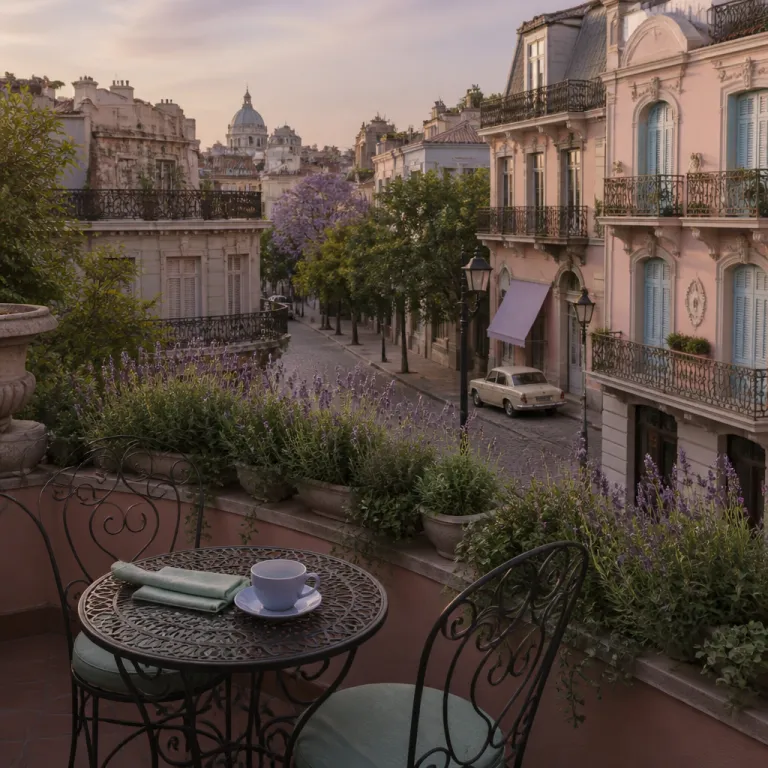
Buenos Aires sights to see from a luxury traveler’s perspective
Buenos Aires is a city where European elegance meets intense Latin American energy. For luxury guests choosing high end hotels, understanding the most refined Buenos Aires sights to see helps shape every hour of precious time. The right cultural hotspots turn a simple stay in Argentina into a deeply personal journey.
In the historic city center, the Obelisco rises above Avenida 9 de Julio and anchors many of the best walking routes between grand hotels and major monuments. From here you can reach the legendary Teatro Colón opera house at Cerrito 628 in minutes on foot, and this short stroll already opens a window onto the city’s layered architecture. Many premium properties arrange private guides who link these icons with hidden cafés, galleries, and tango venues that most visitors never find.
Teatro Colón is widely regarded as one of the finest opera houses in South America, and its 2 487 seat auditorium is a masterpiece of Argentine craftsmanship. According to the official Teatro Colón information, guided tours generally run daily from 9 am to 5 pm and can be reserved online in advance, which makes it easy to plan around spa appointments or late checkouts in luxury hotels. When you step back onto the street, the contrast between the hushed interior and the vibrant Buenos Aires city traffic underlines why this is one of the essential cultural landmarks in the capital.
High end travelers often ask which neighborhoods offer the best balance between culture, safety, and access to fine restaurants. Central districts such as Recoleta, Retiro, and the refined edge of San Telmo place you close to the main attractions while keeping transfers short and comfortable. From these areas, chauffeured cars or curated walking tours can cover several key highlights in a single morning without feeling rushed.
Buenos Aires is also a gateway to wider Argentina and to the rest of Latin America, so many guests combine a few nights in the city with wine country or Patagonia. This makes it even more important to prioritize which museums, plazas, and tango venues match your interests, whether you lean toward art, history, or live performance. A well designed itinerary ensures that every plaza, museum, and café you visit feels intentional rather than accidental.
Historic power and performance in the city center
The ceremonial heart of Buenos Aires lies around Plaza de Mayo, where political power, colonial history, and modern protest all converge. On one side stands Casa Rosada, the iconic pink presidential palace that dominates many images of the city. Guided visits operate on weekends, so luxury travelers often align their city center hotel bookings to include at least one Saturday or Sunday.
From a premium property near Plaza de Mayo, you can walk along Avenida Mayo toward Congreso and feel how the architecture shifts from ornate French inspired façades to more austere government buildings. This axis links many of the most important historic Buenos Aires sights to see, and it also passes close to some of the best restaurants for business lunches or celebratory dinners. Many concierges maintain updated shortlists of Argentine fine dining rooms where you can pair local beef with Malbec before or after a cultural visit.
Teatro Colón sits just a short ride from Plaza de Mayo, and its reputation as a world class opera house attracts discerning guests from across Latin America. Many luxury hotels can secure premium tickets or arrange backstage experiences, which transform a standard tour into a memorable evening. When planning your cultural program, ask your concierge to coordinate performance times with private transfers so you arrive unhurried and depart in comfort.
Casa Rosada itself is more than a photogenic façade; it is a working symbol of Argentine democracy. Official guidance from the presidency confirms that you can visit Casa Rosada on weekends with guided tours, which helps travelers schedule their time efficiently, especially when they want to combine the palace with nearby museums and the cathedral on the same day.
For travelers who want a deeper narrative around these landmarks, curated cultural itineraries can be invaluable. A refined overview of key Buenos Aires points of interest for luxury minded travelers is available through an elegant guide to Buenos Aires points of interest for luxury minded travelers. Using such resources, you can align your choice of city hotel with the specific monuments and neighborhoods that matter most to you.
Even if you stay in quieter districts, the city center remains essential for understanding Argentina’s political and cultural story. Many guests choose to visit Plaza de Mayo twice, once by day for guided explanations and once at night to appreciate the illuminated façades. This rhythm allows you to balance structured learning with the simple pleasure of strolling through one of South America’s most atmospheric capitals.
San Telmo, tango heritage, and atmospheric streets
San Telmo is the oldest barrio in Buenos Aires, and its cobbled streets preserve a rare sense of time. Here, the Buenos Aires sights to see are not only monuments but also everyday scenes of neighbors chatting on doorsteps and musicians tuning guitars. Luxury travelers often appreciate how this district combines authentic Argentine life with discreetly upscale guesthouses and design forward hotels.
The main square, Plaza Dorrego, becomes a stage for tango dancers, antique dealers, and street performers, especially on Sundays. Around it, you will find intimate restaurants serving traditional Argentine dishes alongside contemporary Latin American cuisine. This mix of old and new makes San Telmo one of the best areas to feel the emotional core of the city while still enjoying refined dining and attentive service.
Walking through San Telmo, every street seems to open a window onto a different era of Buenos Aires. Many visitors follow routes that link San Telmo with nearby La Boca, combining colorful art filled alleys with historic mansions and hidden patios. These walks are among the most atmospheric Buenos Aires sights to see, especially when guided by local experts who can explain how immigration shaped both tango and daily life.
For travelers who want to go beyond surface impressions, curated content about the bookshops, milongas, and cafés of the area can be extremely helpful. An in depth look at the bookshops, milongas, and cafés that define San Telmo’s soul offers context that enriches every step through the neighborhood. With this background, you can choose a nearby luxury hotel that aligns with your preferred balance of nightlife, quiet, and cultural immersion.
San Telmo also connects conveniently to the city center and to Puerto Madero, which makes it a strategic base for exploring multiple Buenos Aires sights to see. From here, short taxi rides of around 10 to 15 minutes take you to Plaza de Mayo, Calle Florida, or the Obelisco without long transfers. Many high end travelers split their stay between San Telmo and Recoleta to experience both bohemian charm and polished elegance in a single trip.
La Boca, Caminito, and the colorful edge of the city
La Boca is one of the most visually striking districts in Buenos Aires, known for its brightly painted houses and intense street life. The centerpiece is Caminito, a short street that functions as an open air museum filled with murals, sculptures, and live tango performances. This area ranks among the most photographed Buenos Aires sights to see, especially for first time visitors.
Luxury travelers usually visit La Boca by private car or with a trusted guide, because the surrounding streets can feel rough after dark. During daylight, Caminito offers a vivid introduction to working class Argentine history, immigrant stories, and the roots of tango culture. Many curated tours combine La Boca with San Telmo, creating a full day narrative that traces how the city grew from portside neighborhoods into a major capital of South America.
While La Boca itself has limited high end accommodation, it pairs well with stays in Puerto Madero or the city center. From a waterfront suite in Puerto Madero, you can reach Caminito in around twenty minutes, enjoy the art filled streets, then return to calm river views and refined restaurants. This contrast between colorful bustle and polished serenity is part of what makes Buenos Aires such a compelling city for luxury travel.
Guides often recommend visiting Caminito during the brightest hours of the day for both safety and photography. “What is the best time to visit Caminito? During daylight hours for safety.” This simple rule helps you integrate La Boca into your list of Buenos Aires sights to see without compromising comfort or peace of mind.
Art lovers will appreciate how La Boca’s murals and galleries complement more formal institutions elsewhere in the city. Many works reference broader Latin American themes, from migration to political struggle, which gives context to what you see later in museums and theaters. When you return to your hotel, the images of painted façades and tango dancers often linger as some of the most vivid memories of Argentina.
Recoleta, literary grandeur, and refined café culture
Recoleta is the district where Buenos Aires fully reveals its reputation as the Paris of South America. Tree lined avenues, Belle Époque mansions, and polished plazas create a setting that feels tailor made for luxury hotels and discreet service. For many guests, this neighborhood becomes the natural base for exploring the most elegant Buenos Aires sights to see.
The area’s most famous landmark is Recoleta Cemetery, a 5.5 hectare labyrinth of mausoleums where many notable Argentine figures rest. “Is Recoleta Cemetery free to enter? Yes, it's open to the public daily.” This accessibility makes it easy to visit more than once, perhaps first with a guide for historical context and later alone to appreciate the art and quiet.
Just a short ride away, the Ateneo Grand Splendid bookshop transforms a former theater into one of the most beautiful bookstores in Latin America. Many travelers say that a visit to this space opens a window onto the literary soul of the city, especially when combined with a stop at nearby Café Tortoni in the center. These venues, together with Teatro Colón and Casa Rosada, form a cultural circuit that defines the most sophisticated Buenos Aires sights to see.
Recoleta also excels in gastronomy, with some of the best restaurants in the city offering tasting menus that reinterpret Argentine classics. From your hotel, you can walk to wine bars, art galleries, and design shops that showcase both local and wider Latin American talent. This concentration of culture and cuisine makes Recoleta particularly attractive for travelers who value short walking distances and high service standards.
Many itineraries pair Recoleta with day trips to other parts of Argentina, such as Tigre or nearby estancias, while keeping evenings reserved for opera, theater, or fine dining. Because of this, concierges in Recoleta hotels are adept at coordinating performance times at Teatro Colón with private drivers and late seatings at restaurants. When you consider all these elements together, it becomes clear why Recoleta is central to any list of Buenos Aires sights to see for luxury travelers.
Puerto Madero, Calle Florida, and planning your luxury stay
Puerto Madero represents the modern, glass and steel face of Buenos Aires, built along refurbished docks that now host sleek towers and waterfront promenades. Many of the city’s newest luxury hotels rise here, offering river views, spa facilities, and easy access to both the financial district and major Buenos Aires sights to see. The atmosphere feels distinct from older barrios, with wide sidewalks, contemporary art installations, and a strong focus on security.
From Puerto Madero, you can walk across pedestrian bridges into the city center and reach Calle Florida, the famous pedestrian shopping street. This route passes parks, historic warehouses, and modern sculptures, giving a sense of how Buenos Aires has evolved from port to cosmopolitan hub of Latin America. For many travelers, combining a stay in Puerto Madero with excursions to San Telmo, La Boca, and Recoleta offers the best overview of the city’s contrasts.
When planning where to stay, consider how much time you want to spend in each area and which Buenos Aires sights to see matter most. A detailed guide to where to stay for Buenos Aires beaches, urban sands, and luxury hotels can help match neighborhoods to your travel style. This kind of resource is especially useful if you want to combine city culture with coastal escapes elsewhere in Argentina.
Café Tortoni, located closer to the city center, remains an essential stop even if you base yourself in Puerto Madero. “Is Teatro Colón open for tours? Yes, daily from 9am to 5pm.” Pairing a morning tour of the opera house with an afternoon coffee at Café Tortoni and an evening walk along the docks creates a perfectly balanced day.
As you finalize your plans, remember a few practical tips that apply across all Buenos Aires sights to see. Wear comfortable shoes for walking on cobblestones, check opening hours in advance, and remain aware of your belongings in crowded areas. With thoughtful preparation and the right choice of luxury hotel, Buenos Aires reveals itself as one of the most rewarding cities in South America for culturally curious travelers.
Key figures for Buenos Aires cultural hotspots
- Teatro Colón has a seating capacity of 2 487 seats, according to the official Teatro Colón website, which places it among the largest and most acoustically respected opera houses in Latin America.
- Recoleta Cemetery covers approximately 5.5 hectares, based on city planning documents, allowing visitors to explore hundreds of mausoleums and sculptures within a compact but intricate layout.
- Guided walking tours in Buenos Aires have increased steadily in recent years, reflecting a broader trend toward eco friendly and low impact tourism across major cities in South America.
- Key attractions such as Teatro Colón, Casa Rosada, Recoleta Cemetery, Caminito, and the Obelisco are accessible year round, which gives luxury travelers flexibility to plan visits in any season.
FAQ about Buenos Aires sights to see for luxury travelers
Is Teatro Colón worth visiting if I am not an opera fan ?
Yes, Teatro Colón is worth visiting even if you never attend performances, because the guided tours highlight its architecture, history, and backstage areas. The building is considered one of the finest opera houses in South America, and its 2 487 seat auditorium showcases exceptional Argentine craftsmanship. Many luxury travelers rank it among their top Buenos Aires sights to see regardless of musical preferences.
Can I visit Casa Rosada during a short city break ?
Casa Rosada can be visited on weekends with official guided tours, which makes it feasible even on a brief stay. Because tours operate only on specific days, it is wise to align your arrival or departure dates with a Saturday or Sunday. Many high end hotels near Plaza de Mayo can help secure reservations and coordinate transfers.
How much time should I plan for Recoleta Cemetery and nearby attractions ?
Most travelers spend between one and two hours inside Recoleta Cemetery, especially if they join a guided visit that explains the main tombs and symbols. You can then add another hour or two for nearby museums, cafés, and parks in the Recoleta district. This half day block fits easily into a wider itinerary of Buenos Aires sights to see.
Is Caminito in La Boca safe to visit on my own ?
Caminito is generally safe during daylight hours, when most tourists and vendors are present, but the surrounding streets can feel less comfortable after dark. Many luxury travelers choose to visit with a private guide or driver who waits nearby. Following the advice to go during the brightest part of the day helps ensure a relaxed experience.
What is the best way to move between key cultural hotspots ?
For most luxury travelers, a mix of private cars, official taxis, and guided walking tours works best. Distances between major Buenos Aires sights to see such as Teatro Colón, Plaza de Mayo, Recoleta, San Telmo, and Puerto Madero are relatively short. This allows you to combine several neighborhoods in one day while still returning to your hotel for rest or spa time.
