1. Choosing the right luxury base for exploring Buenos Aires
Buenos Aires rewards travelers who choose a hotel that matches the rhythm of the city. For guests focused on the most memorable things to do in Buenos Aires, location in a refined neighborhood matters more than almost any other decision. A well placed property shortens travel time, elevates comfort, and quietly shapes every visit to each place on your list.
In Recoleta you will find grand avenues, embassies, and discreet luxury hotels that suit travelers who want calm after a day in the vibrant streets of Buenos Aires. From here it is easy to reach Recoleta Cemetery, the nearby museum circuit, and the elegant cafés that define this part of the city. Many visitors say the best things about staying in Recoleta are the walkable distances, the sense of safety, and the way you can visit Buenos Aires highlights without sacrificing serenity.
Guests who prefer a more contemporary energy often look to Puerto Madero, where glass towers line the docks and the best restaurants focus on steak, seafood, and Argentine wine. This waterfront neighborhood is a great place for evening strolls, and you will find that guided tours often start or finish nearby because access to the rest of the city is simple. From Puerto Madero it takes little time to reach Plaza Mayo, Casa Rosada, and the historic core of Buenos Aires, while still returning to a polished, modern hotel environment.
San Telmo offers a different luxury profile, with restored mansions and premium guesthouses set among cobbled streets and antique shops. Staying in San Telmo places you close to some of the most atmospheric street art in the city and to intimate tango venues that feel far removed from large scale shows. For travelers who want to experience both the refined and the bohemian sides of Buenos Aires, this neighborhood can be one of the best bases.
La Boca, by contrast, is usually better visited by day rather than chosen as a luxury hotel base, even though it holds some of the most photographed attractions in Buenos Aires. Caminito Street in La Boca is famous for its colorful façades, open air tango, and bold art, but most premium travelers prefer to sleep in Recoleta, Puerto Madero, or Palermo and reach La Boca by taxi or guided tours. This balance lets you enjoy the most vivid parts of the city while returning to a quieter, more secure area at night.
When comparing properties, look beyond star ratings and focus on how each hotel connects you to the experiences you value most in Buenos Aires. Opera lovers may want quick access to Teatro Colón, while design focused guests might prioritize proximity to Palermo’s galleries and street art. In every case, the best things about a luxury stay come from aligning your hotel’s location with the specific attractions, cafés, and neighborhoods you plan to visit.
2. Recoleta and the art of slow luxury in the city
Recoleta is where Buenos Aires shows its European inspired side, and it is one of the best areas for travelers who value quiet sophistication. Many of the essential cultural sights in Buenos Aires cluster here, from landmark cemeteries to world class museums and leafy plazas. Staying in a premium hotel in this neighborhood lets you experience the city at a slower, more curated pace.
Recoleta Cemetery covers about 14 hectares and receives hundreds of thousands of visitors each year, yet it still feels contemplative when you step away from the main paths. According to figures cited by the Buenos Aires city tourism office, the site welcomes well over half a million people annually, drawn by its ornate mausoleums, sculptures, and the resting place of Eva Perón. Luxury travelers often arrange private guided tours here, which provide context on Argentina’s political families and the evolution of the city’s elite.
Just beyond Recoleta Cemetery, elegant avenues lead to cultural institutions and quiet residential streets where you will find some of the best hotels in Buenos Aires. This is also a great place to explore on foot using a detailed walking guide to the neighborhood’s hidden corners, such as the one available through Recoleta walking routes and secret courtyards. In this part of the city, the best things are often small details, like a carved doorway, a shaded café terrace, or a view across a plaza at sunset.
For art lovers, Recoleta offers easy access to several museum spaces that showcase both Argentine and international works. Many luxury hotels here maintain relationships with local curators, who can arrange private visits or after hours events that transform a simple museum stop into a tailored cultural experience. One curator based near Avenida Alvear notes that “guests who stay in Recoleta often see a side of Buenos Aires art that never appears in standard group tours,” which helps explain why this remains a preferred neighborhood for discerning visitors to Buenos Aires and to Latin America more broadly.
Gastronomy in Recoleta leans toward classic rather than experimental, with many of the best restaurants focusing on steak, pasta, and carefully selected Argentine wines. You will find that even traditional cafés here often serve as informal salons, where locals discuss politics, literature, and the latest performances at Teatro Colón. For travelers who want to experience the intellectual side of the city, this neighborhood offers a refined yet approachable setting.
Because Recoleta sits between the historic center and Palermo, it works well for guests who want to sample multiple neighborhoods without changing hotels. From here you can reach Plaza Mayo, Casa Rosada, Calle Florida, and Puerto Madero within a short drive, then return to tree lined streets and quiet hotel lounges. For many luxury travelers, that combination of access and calm defines the best things about staying in this part of Buenos Aires.
3. Historic cafés, literary landmarks, and cultured evenings
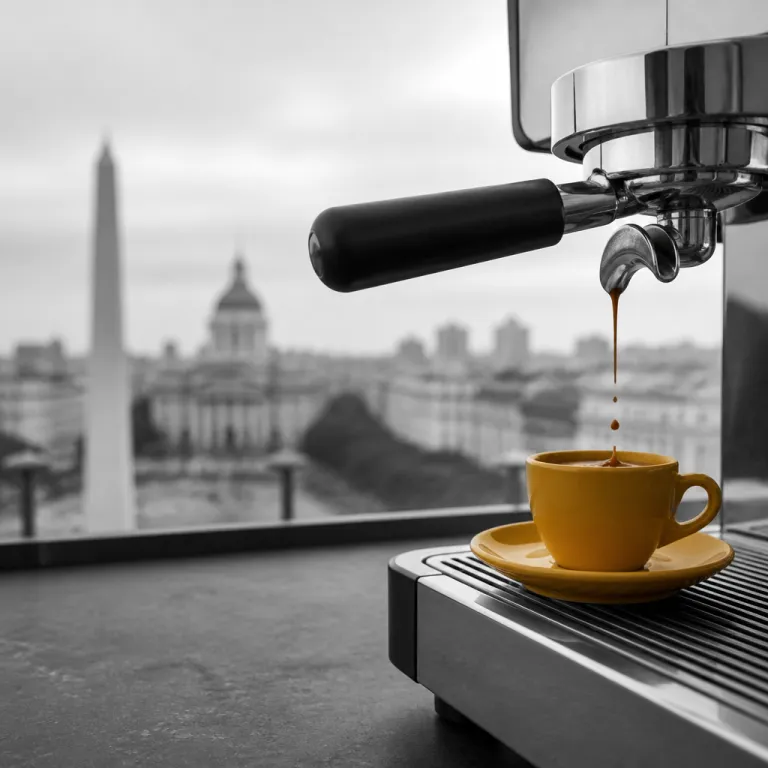
For many visitors, the most memorable experiences in Buenos Aires begin not with a monument but with a cup of coffee in a historic café. The city’s traditional coffeehouses function as living rooms, offices, and stages, and choosing the right one can shape your sense of place. Luxury travelers often weave these stops between museum visits, shopping, and performances to create a rhythm that feels authentically porteño.
Café Tortoni on Avenida de Mayo 825 is the most famous example, and it remains a must visit Buenos Aires address for first time and repeat guests. Inside this café you will find stained glass, marble tables, and a clientele that mixes tourists with local regulars who have been coming for decades. One Recoleta hotel concierge describes it as “the city’s unofficial waiting room,” a place where business meetings, poetry readings, and family gatherings all share the same tables.
Another essential stop for culture lovers is El Ateneo Grand Splendid, often referred to simply as the Grand Splendid or Ateneo Grand by locals. This former theater turned bookstore on Avenida Santa Fe 1860 is consistently ranked among the most beautiful in South America, and it is one of the best things to experience on a rainy afternoon in Buenos Aires. You will find that the private boxes and former stage now serve as reading nooks and a café, creating a place where literature, architecture, and daily life intersect.
During the cooler months, the café culture of Buenos Aires becomes even more appealing, as many venues feel like extensions of your hotel lounge. To understand why winter is considered café season in the city, luxury travelers can consult resources such as in depth guides to Buenos Aires coffeehouses. These insights help you choose which café suits a quiet morning, which works for people watching, and which pairs best with an evening at Teatro Colón.
Speaking of Teatro Colón, this opera house is widely regarded for its acoustics and architecture, and it ranks among the most important cultural venues in Latin America. Visitor statistics published by the theater’s own foundation indicate that around 250,000 people tour or attend performances here each year, underscoring its status as a global cultural landmark. Guided visits typically run several times a day and last about 50 minutes, and for many guests, an evening performance becomes one of the defining cultural highlights of Buenos Aires, especially when combined with a late dinner at one of the best restaurants nearby.
Between café visits, literary landmarks, and performance venues, you will find that Buenos Aires offers a cultured yet unpretentious atmosphere. The city invites you to linger over a coffee, browse a bookshop, or attend a concert without rushing, which suits the preferences of many premium travelers. When your hotel concierge understands these rhythms, they can design an itinerary that balances headline attractions with quieter, more personal moments.
4. San Telmo, La Boca, and the soul of tango
San Telmo and La Boca reveal a more raw, emotional side of Buenos Aires, and they are essential for anyone interested in tango, street art, and working class history. While many luxury travelers sleep in Recoleta or Puerto Madero, they dedicate at least one full day to these neighborhoods. Done well, this becomes one of the most memorable ways to experience the city’s creative energy.
San Telmo is one of the oldest parts of the city, with cobbled streets, antique markets, and a slightly faded grandeur that feels cinematic. On Sundays you will find the famous market stretching along Defensa Street, where musicians, dancers, and artisans fill the neighborhood with sound and color. Many premium hotels can arrange guided tours that navigate the crowds efficiently, highlight the best stalls, and point out the most interesting examples of local street art.
In the evenings, San Telmo transforms into a stage for intimate tango performances that differ from the large scale shows elsewhere in Buenos Aires. You will find small venues where dancers perform just a few meters from your table, and where the focus is on emotion rather than spectacle. One local dancer describes these milongas as “the places where tango breathes normally, without microphones or fireworks,” and for travelers who want to understand why tango is considered one of the best things Argentina has given to the world, these experiences feel far more authentic than tourist only productions.
La Boca, located near the old port, offers a different but equally powerful perspective on Buenos Aires. Caminito Street is the most famous area here, with brightly painted houses, open air tango, and bold art that has become an icon of the city. Because La Boca can feel intense, many luxury travelers choose private guided tours that include transfers, curated stops, and time for photography without pressure.
Beyond Caminito, La Boca also hosts smaller cultural centers and workshops where you will find artists working with recycled materials, murals, and community projects. These spaces show another side of Argentina, one that speaks to resilience and creativity rather than polished luxury. For guests who want to balance the best restaurants and high end shopping with more grounded experiences, this neighborhood provides essential context.
When planning your time in San Telmo and La Boca, coordinate with your hotel concierge to align visits with market days, performances, and daylight hours. Many of the most vivid things to do in Buenos Aires in these areas are outdoors, so weather and timing matter more than in other parts of the city. With thoughtful planning, you can enjoy the energy of these neighborhoods while still returning to the calm of your luxury hotel at the end of the day.
5. Nightlife, late dinners, and refined ways to stay out late
Buenos Aires is famous for its late nights, and understanding how to navigate them in comfort is essential for luxury travelers. Many of the city’s signature experiences happen after dark, from tango shows to speakeasy style bars and long dinners that stretch past midnight. Choosing the right hotel and planning your evenings carefully lets you enjoy this side of the city without fatigue.
In neighborhoods like Palermo and Puerto Madero you will find a concentration of the best restaurants, wine bars, and cocktail lounges. These areas are a great place to sample Argentine beef, regional wines, and contemporary cuisine that positions Buenos Aires among the culinary capitals of South America. Many premium hotels maintain close relationships with these venues, securing preferred tables and arranging transfers so you can move between dinner and drinks with ease.
For travelers who want to go deeper into the city’s nocturnal culture, it helps to study curated guides to hotel bars, speakeasies, and late night tables. One useful resource is the article on Buenos Aires after midnight, which highlights venues where service, design, and atmosphere meet luxury standards. Using such references, you will find it easier to choose places that match your style, whether you prefer quiet hotel lounges or more animated cocktail bars.
Tango remains central to the nightlife of Buenos Aires, and many visitors consider a live show one of the best things to experience in the city. High end venues often combine dinner with performances, offering set menus, wine pairings, and reserved seating that justify the premium price. Your hotel concierge can help you distinguish between tourist heavy options and more refined shows where the focus stays on the dance and the music.
After a late night, the value of a well appointed hotel becomes clear, especially in a city that rarely sleeps. Features such as 24 hour room service, blackout curtains, and quiet soundproofing matter as much as spa facilities or rooftop pools when you return from a tango show at two in the morning. For many guests, these comforts turn ambitious evening plans into sustainable routines over several days.
When planning your itinerary, alternate intense nights out with calmer evenings that focus on a single café, a relaxed dinner, or a performance at Teatro Colón. This balance allows you to experience the full range of Buenos Aires nightlife without exhausting yourself or missing daytime attractions like Plaza Mayo, Casa Rosada, or Calle Florida. Thoughtful pacing is one of the often overlooked secrets to enjoying Buenos Aires, especially for travelers who want to savor every part of their stay.
6. Practical planning for luxury stays and guided experiences
Thoughtful planning turns a good trip to Buenos Aires into a seamless luxury experience. Many of the most sought after activities in Buenos Aires involve multiple neighborhoods, ticketed attractions, and specific time slots, so coordination matters. Working closely with your hotel concierge or a trusted travel advisor ensures that logistics never overshadow the pleasure of the city.
Guided tours play a key role for many premium travelers, especially when visiting complex sites like Recoleta Cemetery, Teatro Colón, or the historic core around Plaza Mayo and Casa Rosada. High quality guided tours provide context on Argentina’s history, architecture, and cultural shifts, turning a simple walk into a layered narrative. They also help you manage time efficiently, so you can move from one place to another without worrying about transport or queues.
Self exploration still has its place, particularly in safe, walkable areas like Recoleta, parts of Palermo, and the waterfront of Puerto Madero. In these neighborhoods you will find that wandering between a museum, a café, and a park can be one of the best things to do in Buenos Aires on a mild afternoon. Many luxury hotels now provide digital maps and curated routes that highlight street art, historic façades, and lesser known viewpoints.
When planning your visit Buenos Aires itinerary, consider seasonal factors and local advice. Spring is often recommended because “Spring (September to November) offers pleasant weather.” This period suits outdoor activities in San Telmo, La Boca, and the parks, while still allowing comfortable evenings in the city’s best restaurants and cultural venues.
Safety is another practical concern, and Buenos Aires generally feels manageable for attentive travelers. As one reliable guideline notes, “Generally safe; exercise standard precautions.” In practice this means using hotel recommended taxis, keeping valuables secure in crowded areas like Calle Florida, and following concierge advice on which streets to avoid late at night.
Language rarely becomes a barrier in luxury settings, but a few phrases help. Remember that “Basic Spanish is helpful; many locals speak English.” Staff in high end hotels, top restaurants, and major attractions like Teatro Colón or El Ateneo Grand Splendid usually communicate comfortably in English, while a simple “gracias” or “por favor” adds warmth to every interaction.
Key figures for cultural travel in Buenos Aires
- Teatro Colón welcomes around 250,000 visitors each year, according to its official data, underscoring its status as one of the most important opera houses in South America.
- Recoleta Cemetery spans approximately 14 hectares, based on official records, making it large enough to house thousands of mausoleums yet compact enough to explore in a single, well planned visit.
- The central coordinates of Buenos Aires sit near 34.6 degrees south and 58.4 degrees west, placing the city firmly within the temperate zone of Argentina and contributing to its relatively mild climate.
- Major attractions such as Teatro Colón, Recoleta Cemetery, Caminito in La Boca, Palacio Barolo, and El Ateneo Grand Splendid operate year round, which allows luxury travelers to plan visits in any season with only minor schedule adjustments.
FAQ about luxury stays and top things to do in Buenos Aires
What is the best time of year for a luxury trip to Buenos Aires ?
Spring is widely considered ideal because temperatures are mild, humidity is manageable, and outdoor areas like San Telmo, La Boca, and the parks feel comfortable. This season also aligns well with cultural calendars at Teatro Colón and major museums. Luxury hotels often design special packages around these months to highlight the city at its most pleasant.
Is Buenos Aires safe for high end travelers staying in central neighborhoods ?
Central areas such as Recoleta, parts of Palermo, and Puerto Madero are generally safe for visitors who exercise standard precautions. Most luxury hotels provide secure entrances, vetted transport options, and clear guidance on where to walk at night. As with any major city in Latin America, awareness of surroundings and sensible handling of valuables remain important.
Do I need to speak Spanish to enjoy the top things to do in Buenos Aires ?
Basic Spanish is helpful, especially in markets, smaller cafés, and taxis, but it is not essential for most luxury travelers. Staff at high end hotels, leading restaurants, and major attractions usually speak English well enough to handle reservations, guided tours, and special requests. Learning a few phrases still enhances interactions and shows respect for local culture.
Which neighborhoods work best as a base for luxury hotel stays ?
Recoleta suits travelers who value quiet streets, cultural institutions, and easy access to Recoleta Cemetery and central museums. Puerto Madero appeals to guests who prefer modern architecture, waterfront walks, and proximity to some of the best restaurants in the city. San Telmo can work for those who enjoy historic charm and tango culture, though many choose to stay there only if they are comfortable with a more bohemian atmosphere.
How many days should I plan to cover the main cultural highlights ?
A stay of four to five nights usually allows enough time to experience the top things to do in Buenos Aires at a relaxed pace. This duration lets you visit Teatro Colón, Recoleta Cemetery, Plaza Mayo, Casa Rosada, San Telmo, La Boca, and key cafés without rushing. With a week or more, you can add day trips, deeper neighborhood exploration, and more evenings dedicated to tango and fine dining.
