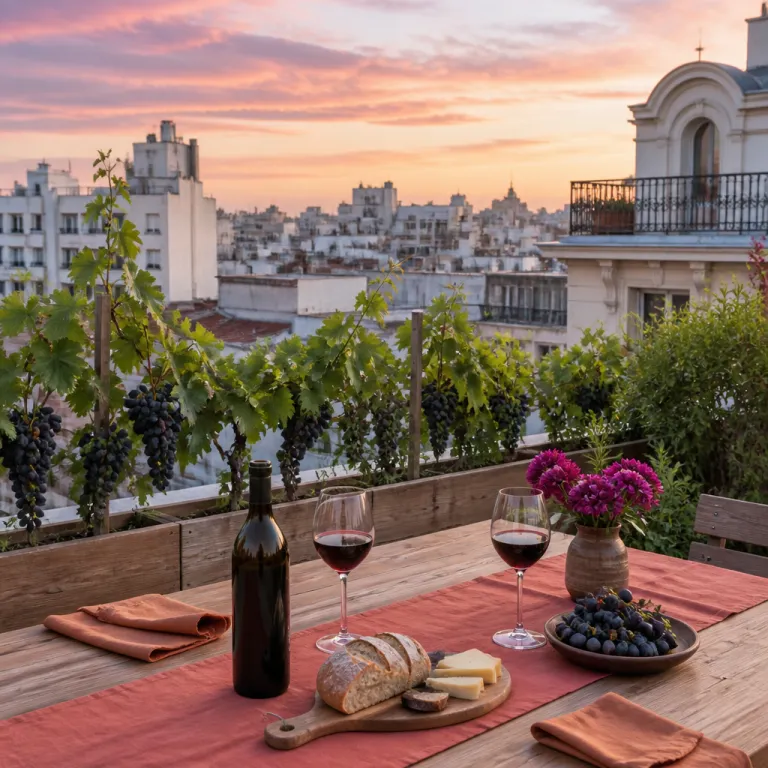
Why wine tasting in Buenos Aires rivals a trip to Mendoza
Wine tasting in Buenos Aires Malbec circles used to be dismissed as a consolation prize. Today the Argentine capital offers a wine experience so layered that many travelers now plan their entire travel around aires wine bars, vinotecas and hotel cellars rather than rushing straight to Mendoza. You can build a serious education in Argentina wine without ever leaving the city, while still keeping vineyard lunches in argentina Mendoza on your radar for a future visit.
Buenos Aires concentrates the best wines from every major wine region in Argentina, from high altitude Salta to cool climate Patagonia. That means one focused wine tasting can move from a structured Malbec wine flight to a Cabernet Franc from argentina Mendoza and then to a textured Torrontés, all guided by a local expert who understands how porteños actually drink. For couples planning their booking on a luxury hotel site, this density of wine tastings and tours translates into less time in transit and more aires hours spent actually tasting buenos labels in comfort.
Many visitors still assume that a great Malbec experience tour requires a domestic flight and a full wine tour itinerary. In reality, the smartest move is to anchor yourself in a well located Buenos Aires property, then layer in curated wine tasting Buenos Aires Malbec sessions, a small group food tour and one or two private wine tours led by an Argentina local sommelier. This approach keeps your schedule flexible, your glass full of serious argentina wine and your budget focused on quality rather than transfers.
Hotel cellars, sommeliers and private tastings for two
Luxury hotels in Buenos Aires have quietly built some of the most ambitious cellars in Argentina. In Recoleta and Puerto Madero, wine tasting Buenos Aires Malbec programs now sit alongside spa menus, with in house sommeliers designing private wine tastings that feel closer to a masterclass than a welcome drink. For couples, this means you can step out of the elevator and into a candlelit tasting buenos session without ever leaving the property.
Look for hotels that highlight argentina wine programs rather than generic lobby bars, because their teams usually include at least one certified expert sommelier. These local expert hosts will often propose a themed wine tour in the glass, moving through different wine regions in a single sitting, with cheeses and charcuterie included to match each pour. If you are traveling solo, bookmark this insider guide to counter seats and wine bars for one, then ask your concierge to secure a stool at a serious wine bar rather than a generic lobby lounge.
Many premium properties now collaborate with argentina Mendoza wineries for limited edition Malbec wine labels that never leave Buenos Aires. These partnerships allow guests to taste small production wines usually reserved for winery clubs, turning a simple pre dinner drink into a rare argentina local experience. When you plan your booking, check whether a private wine tour or cellar visit is included in higher room categories, because these quiet perks can transform a short stay into a genuinely great wine focused escape.
Vinotecas and wine bars: your classroom in the city
Step outside the hotel and Buenos Aires vinotecas become your next level classroom. In Palermo, Retiro and San Telmo, specialist shops double as intimate wine bar spaces where argentina wine is poured by the glass and explained with patient precision. A good vinoteca will map out wine regions on the counter, turning each wine tasting into a mini tour of the country.
Ask for a small group tasting buenos session focused on Malbec wine from different altitudes, then add a second round featuring Cabernet Franc, Pinot Noir and white wines to avoid a one note experience. Many of these aires wine shops host evening wine tours in English, often led by a local expert who splits time between the shop floor and harvests in argentina Mendoza. If you are curious about the natural wine movement, use this detailed guide to the natural wine revolution in Buenos Aires as a starting point, then ask which labels are only available in the city.
Serious vinotecas also act as matchmakers between travelers and argentina local producers who do not export. You might taste wines from a small family project in Mendoza one night, then meet the winemaker during a weekend experiences tour hosted in the same space. For couples, this creates a relaxed, conversational style of wine tasting Buenos Aires Malbec education that feels more like an evening with friends than a formal class.
San Telmo, parrillas and the art of pairing Malbec
San Telmo remains one of the most atmospheric barrios for understanding how porteños actually drink wine with food. Here, traditional parrillas sit beside contemporary bistros, and both treat Malbec wine as a partner to beef rather than a stand alone attraction. A well planned food tour through these cobbled streets can deliver as much wine education as a formal tasting room.
Book a small group experiences tour that combines aires wine bars with classic grills, making sure at least one stop focuses on pairing different argentina wine styles with specific cuts of beef. You might start with a lighter Malbec from the Uco Valley before moving to a denser argentina Mendoza label alongside ribeye, then finish with a high altitude blend that stands up to provoleta and morcilla. Many guides are trained as a local expert in both wine and gastronomy, so they can explain why certain wines work with the smoky fat of the asador while others shine with vegetables or seafood.
Do not ignore the bread basket either, because the local pain vin culture often includes house baked loaves designed to soak up rich sauces and lingering tannins. In the right hands, even a simple chimichurri brushed steak becomes a masterclass in texture, acidity and structure. Couples who time their visit for a long evening can stretch these aires hours into a slow, romantic progression from aperitif to final glass, with each pour reinforcing the lessons of the wine tasting Buenos Aires Malbec theme.
Designing a three day Malbec focused stay in Buenos Aires
Planning a three day stay around wine tasting in Buenos Aires Malbec does not require a rigid schedule, but it does benefit from a clear structure. Start by choosing a hotel whose cellar, bar and concierge team treat argentina wine as a core part of the guest experience rather than a side note. Then layer in one guided wine tour, one food tour and at least two independent visits to vinotecas or a wine bar in different neighborhoods.
On day one, keep your aires hours gentle with an afternoon tasting buenos session in your hotel, followed by a short walk to a nearby wine bar for a flight of argentina Mendoza reds and a few small plates. Day two can carry more weight, with a half day small group wine tour that visits two or three vinotecas, each focusing on different wine regions and styles, often with snacks included. Day three is the moment to explore San Telmo or Palermo on your own, using your new knowledge to order confidently by the glass and perhaps pick up bottles from argentina local producers to take home.
If you are pairing this city break with a wider Argentina itinerary, this detailed guide to what to see in Argentina for an elegant escape will help you balance vineyard dreams with urban pleasures. Many couples now treat Buenos Aires as their primary wine classroom, then add a single vineyard lunch in argentina Mendoza as a capstone rather than the main event. This approach keeps logistics simple, your booking focused on one great hotel and your energy centered on tasting rather than transfers.
From city cellar to vineyard lunch: when to add Mendoza
After a few days of intense wine tasting Buenos Aires Malbec sessions, many travelers feel ready to graduate to the vineyards themselves. The key is to treat Mendoza as an extension of your Buenos Aires education, not a rushed box to tick. Once you have tasted widely in the city, you will know which argentina Mendoza subregions and producers genuinely excite you.
Use your notes from vinotecas, hotel tastings and food tour pairings to choose one or two focused wine tours in Mendoza rather than a frantic series of tastings. A single long vineyard lunch, with multiple wines included and time to walk the vines, often delivers more insight than four quick stops. Couples who have already explored argentina wine in depth in Buenos Aires tend to ask sharper questions on site, from irrigation practices to barrel regimes, which makes the visit more rewarding for both guest and winemaker.
Some high end hotels and agencies in Buenos Aires now offer seamless booking for these extensions, coordinating flights, transfers and small group or private tours directly with wineries. This means you can finalize your argentina local vineyard plans from the comfort of your city suite, glass in hand. Think of Buenos Aires as the seminar and Mendoza as the field trip, with each Malbec wine you taste in the capital sharpening your palate for that final vineyard lunch.
Global palates, local roots: how Buenos Aires frames Malbec
Buenos Aires sits at a crossroads of global wine culture, and that perspective shapes how Malbec is presented to visitors. Sommeliers here pour argentina wine alongside labels from Europe, North America and even South Africa, using comparisons to explain structure, climate and style. For well traveled couples, this context makes each wine tasting Buenos Aires Malbec session feel intellectually engaging as well as sensorially rich.
In many serious venues, you might taste a Malbec wine next to a Syrah from South Africa or a Rhône blend, with the local expert explaining how altitude, sunlight and soil drive the differences. These comparative wine tastings help you understand why certain argentina Mendoza wines feel fresher, while others lean into plush fruit and spice. Over time, you start to see Buenos Aires not just as a gateway to Argentina but as a cosmopolitan wine city in its own right, where aires wine culture absorbs global influences without losing its local identity.
For couples booking through a curated luxury platform, the advantage lies in having these nuanced experiences tour options filtered in advance, so only venues with serious cellars and trained staff are included. That curation protects your limited aires hours from generic tastings and steers you toward places where every pour has a purpose. In the end, the city teaches you that Malbec is not a monolith but a spectrum, and Buenos Aires is the rare capital where that lesson can unfold glass by glass.
Key figures shaping wine travel in Buenos Aires
- According to the International Organisation of Vine and Wine, Argentina ranked among the top five wine producing countries globally by volume, underscoring why Buenos Aires offers such deep access to argentina wine in one city.
- Tourism data from the Buenos Aires city government show that international visitor arrivals have recovered strongly in recent seasons, with a significant share of high spending travelers citing gastronomy and wine tasting as primary motivations for their visit.
- Industry reports from Wines of Argentina indicate that Malbec accounts for a substantial portion of the country’s exports, yet many small argentina Mendoza producers still sell limited cuvées only domestically, making Buenos Aires vinotecas crucial access points.
- Hospitality benchmarks from STR highlight that luxury and upper upscale hotels in Buenos Aires maintain higher average daily rates than midscale properties, reflecting the growing demand for premium experiences such as curated wine tastings and food tour pairings.
- Consumer research by the Argentine Sommelier Association notes a steady rise in attendance at guided wine tastings and wine tour events in major cities, with Buenos Aires leading participation, which reinforces the city’s role as an urban hub for Malbec education.
FAQ about wine tasting and Malbec experiences in Buenos Aires
Is Buenos Aires a good place to learn about Malbec without visiting Mendoza ?
Buenos Aires is an excellent place to learn about Malbec because it concentrates wines from multiple argentina Mendoza subregions in one city. Vinotecas, hotel cellars and specialist wine bars offer structured tastings that compare styles, altitudes and vintages. This density of options allows you to build a serious foundation before deciding whether to add a vineyard visit.
How many days should I plan for wine focused experiences in Buenos Aires ?
Three full days work well for a wine focused stay in Buenos Aires. That timeframe allows you to combine one guided wine tour, one curated food tour with pairings and several independent visits to vinotecas or a wine bar. Couples with more time can stretch to four or five days, adding relaxed repeats of their favorite venues.
Do luxury hotels in Buenos Aires offer serious wine programs or just basic lists ?
Many luxury hotels in Buenos Aires now maintain serious wine programs with dedicated sommeliers and curated cellars. Guests can book private wine tastings, themed flights and sometimes small group classes focused on argentina wine regions. When choosing a property, look for explicit references to tastings, cellar visits or partnerships with argentina Mendoza wineries.
Can I join small group tastings if I am not a wine expert ?
Small group tastings in Buenos Aires are designed for curious travelers rather than professionals. Hosts usually start with clear explanations of grape varieties, regions and basic tasting techniques before moving into more detailed comparisons. This format keeps the experience accessible while still offering depth for guests who already know a little about wine.
How do I combine Buenos Aires wine experiences with a later vineyard lunch in Mendoza ?
The most efficient approach is to use your Buenos Aires tastings to identify favorite producers and styles, then plan one or two focused wine tours in Mendoza around them. Many hotels and agencies in the capital can handle booking for flights, transfers and winery visits. This sequence turns the city into your classroom and the vineyard lunch into a tailored capstone rather than a generic excursion.