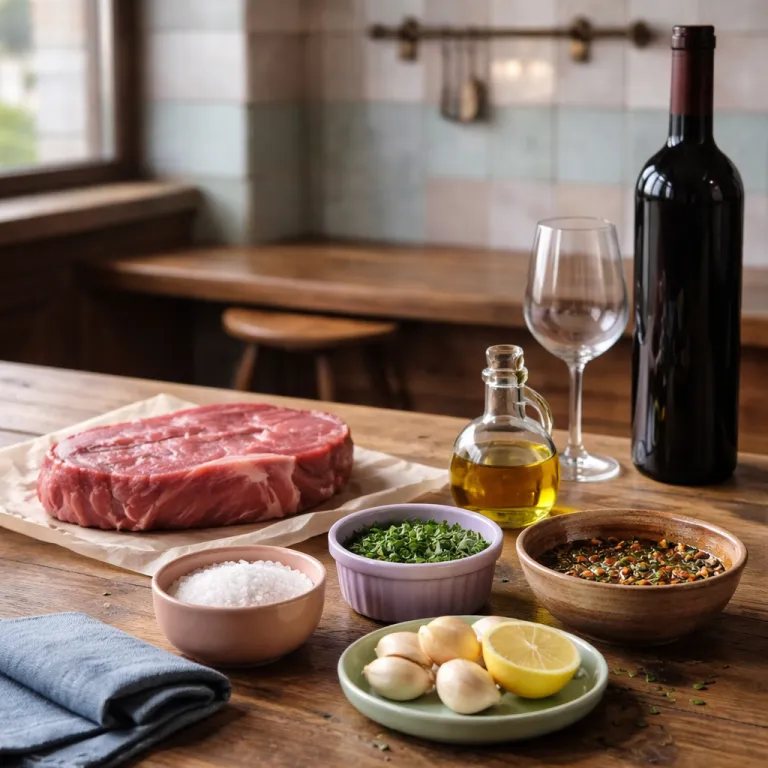
Why solo dining in Buenos Aires feels natural, not awkward
Solo dining in Buenos Aires begins with one simple truth: in this city, eating alone is part of the rhythm, not an exception. In the Argentine capital you can slip into a corner table at 22:00, surrounded by families, friends and couples, and your solitary glass of Malbec barely registers because the entire room is focused on food, conversation and the shared local culture of lingering late. That makes the first solo travel evening in CABA Argentina feel less like a test of confidence and more like an initiation into a very social dining experience.
The city’s parrillas, wine bars and historic cafés are built for people who arrive solo and leave with stories, which is why it helps to plan your first nights around places where counter seats, bar stools or communal tables are the norm. In this part of Argentina, one of the best ways to understand daily life is to sit where the asador, sommelier or barista can talk you through each plate of Argentine food, from provoleta to mollejas, and where the staff are used to guiding solo travelers through the menu. That kind of local experience turns a simple steak or plate of pasta into a cultural tour, especially when you combine it with a late evening walking tour or a free walking circuit earlier in the day to map out your favorite barrios.
Think of solo dining in Buenos Aires as a series of small, curated tours through the city’s food culture rather than isolated meals. One night you might pair a visit to Recoleta Cemetery with a quiet counter at a nearby wine bar, while another evening you wander from a tango show in San Telmo to a low lit parrilla where the grill is the stage and the smoke is the soundtrack. Over time those choices build an experience of Buenos Aires that feels both intensely local and surprisingly relaxed for anyone traveling alone.
Counter seats and parrillas: where the grill becomes your dining room
The most rewarding solo dining in Buenos Aires often happens at the parrilla counter, where the asador stands between you and the fire. At Fogón Asado in Palermo (Costa Rica 5852, usually open for dinner from around 19:30; tasting menus sit in the higher price range for the city and advance reservations are strongly recommended), the interactive grill and set-course format suit solo travelers because every plate is explained, poured and plated right in front of you, turning the meal into a guided dining experience rather than a quiet table for one. When the chef chooses your cut and the sommelier matches it with a glass of Argentine wine, you feel folded into the culture of asado even if you walked in solo.
BERRIA by Sagardi, a Basque-inspired steakhouse in the heart of Buenos Aires (Cerrito 39, typically open from midday through late evening with mid to upper mid-range prices), leans into this same counter logic with tapas, txuleton and a serious wine list that works beautifully for solo travel. You sit at the bar or at high tables near the open kitchen, check the chalkboard for daily cuts and let the team steer you through food and wine pairings, from pintxos to grilled vegetables, while the grill theatre keeps the time moving. For guests staying in luxury hotels across the city, these parrillas offer a strong bridge between polished service and the local, smoky intensity that defines an authentic Argentine experience.
If you are based in Palermo Hollywood, combine your evening with refined dining at Hotel Fierro’s restaurant (Soler 5862, generally open for lunch and dinner with moderate to upper mid-range pricing), which has a calm room and a bar that welcomes solo diners who want a slower, more polished dinner. That kind of setting suits travelers who enjoy the energy of Buenos Aires but prefer a quieter soundtrack than a packed parrilla, especially after a long day of food tours or a walking tour through nearby parks. Whether you choose fire and noise or linen and low light, the key is to book the counter or bar seat, because in this city that is where conversation, recommendations and a sense of belonging come most easily to someone dining solo.
Wine bars as social living rooms for the solo traveler
For many solo travelers, the most comfortable entry point into solo dining in Buenos Aires is a wine bar where the glass, not the plate, leads the conversation. Vico Wine Bar, with its self-serve dispensers and dozens of Argentine labels by the glass (branches in Villa Crespo and Palermo, usually open from late afternoon until after midnight with moderate prices per pour), lets you taste your way across the country while chatting with staff and other guests at the counter, which turns a simple drink into a relaxed tour of regional terroirs. That format is ideal for solo travel because you control the pace, the pours and the level of interaction, all while staying anchored in a stylish, central part of the city.
ProVinCia Bar de Vinos offers a different but equally compelling experience, with an intimate room, a broad list of bottles and a team that treats every solo guest like a regular. You can arrive after a day exploring San Telmo or the nearby market, sit at the bar, ask for a small tasting flight of Malbecs and let the staff suggest plates that match your mood and appetite. In a city where wine is woven into Argentine culture, these bars function as living rooms for travelers who want to enjoy local flavors without committing to a long, formal dinner every night.
If you like to plan your evenings as a sequence, use a wine bar as the first stop before a late parrilla or as the main event after a long day of tours and museum visits. Pair a late afternoon visit to Recoleta Cemetery or a free walking circuit through the center with a glass at Vico, then move on to a nearby grill or stay put and order more substantial food if the atmosphere suits your time and energy. For a broader sense of where to eat across different barrios, consult a barrio-by-barrio dining guide to Buenos Aires, which helps you match each wine bar or parrilla to the neighborhood you are exploring that day.
Café rituals, late nights and the rhythm of the argentine table
Understanding solo dining in Buenos Aires also means understanding the city’s clock, which runs later than most North American travelers expect. Locals rarely sit down for dinner before 21:00, and 22:00 is perfectly normal, so a solo diner walking into a restaurant at that hour blends into the flow of the room instead of standing out. That late rhythm gives you time to build a pre-dinner ritual in one of the city’s historic cafés, turning the gap between afternoon and night into part of your dining experience.
Start with a cortado and medialuna at Café Tortoni (Avenida de Mayo 825, open from morning through late evening with very accessible prices) or a flat white at Negro, one of the city’s most respected specialty coffee shops, and use that pause to plan your evening in Buenos Aires. From there you can check your options for food tours, a tango show or a free walking circuit the next day, or simply map out which parrilla, wine bar or café you want to try next in CABA Argentina. As one local guide put it, “If you sit in a café with a notebook for half an hour, the city will tell you where to go next.” This café-to-dinner pipeline is especially useful for solo travelers who like to read, journal or people watch before stepping into the more social energy of a late night dining room.
On warmer days, follow your coffee with a stroll and an ice cream from a neighborhood heladería, which is one of the most quietly joyful things Buenos Aires offers to someone exploring alone. That small ritual, repeated over several nights, turns the city into a series of familiar stops and faces, from the barista who remembers your order to the waiter who waves when you pass by on your way to another dining experience. Over time, the combination of cafés, helado and late dinners becomes your own Argentine experience, stitched together one solo evening at a time.
From markets to cooking classes: immersive food culture for one
Solo dining in Buenos Aires does not begin and end at the restaurant door; it stretches into markets, classes and neighborhood walks that deepen your connection to Argentine culture. Spend a morning at the San Telmo market (around Defensa and Humberto 1°, busiest on weekends, with very budget-friendly snacks), weaving between antique stalls and produce vendors, and you will see how closely the city’s food culture is tied to daily life, from cuts of beef to mountains of fresh vegetables. That same area is ideal for a self-guided walking tour, where you can stop for empanadas, coffee or wine whenever the mood strikes without negotiating with friends or companions.
For travelers who want to go beyond menus, a cooking class focused on empanadas, chimichurri or regional dishes offers a different kind of dining experience. You chop, stir and taste alongside other guests, often in a small kitchen or private home, which turns strangers into temporary friends and gives solo travelers a social anchor for the evening. Many classes include wine pairings and stories about Argentine culture, so by the time you sit down to eat, you have earned the meal and gained a deeper understanding of the traditions behind it.
Food tours are another powerful tool for solo travel, especially in a city as layered as Buenos Aires. Join a small group tour through Palermo or San Telmo, and you will move from café to parrilla to heladería with a guide who explains the history, the ingredients and the unwritten rules of each stop, which is invaluable context for the rest of your stay. After one or two of these tours, you will feel confident walking into almost any local spot alone, ordering like a regular and enjoying the best of the city on your own terms.
Luxury hotels, room service and planning the perfect solo evening
For guests using a luxury and premium hotel booking website to plan solo dining in Buenos Aires, the hotel itself becomes part of the culinary map. High-end properties in Palermo, Recoleta and the Microcentro now understand that solo travelers expect more than a generic lobby bar, so they curate restaurant lists, arrange reservations and sometimes even host intimate tastings on site. When you check in, treat the concierge as your first food tour guide, asking specifically for counter-friendly parrillas, wine bars and cafés that welcome solo diners late into the night.
Some travelers prefer to balance nights out with evenings in, and Buenos Aires caters to that rhythm as well. Many luxury hotels offer room service menus that reflect local dishes, from milanesa to grilled vegetables, allowing you to enjoy Argentine flavors in privacy when you need a quieter time. If you are used to elevated serviced apartments or long-stay properties in other cities, you can draw inspiration from guides to refined urban living, then apply the same standards when choosing where to stay and eat in this city.
Over several nights, alternate between ambitious dinners at places like Fogón Asado, relaxed evenings at Vico Wine Bar or ProVinCia, and simple meals in your hotel or nearby cafés. That mix keeps solo travel sustainable, especially if you are also fitting in daytime visits to Recoleta Cemetery, tango shows, free walking circuits and perhaps a cooking class or two. For late returns, most solo travelers rely on registered radio taxis or ride-hailing apps such as Uber, Cabify or Didi, which are widely used in Buenos Aires and offer a straightforward way to get back to major hotels. By the end of your stay in Buenos Aires, the combination of hotel comfort, local recommendations and your own curiosity will have turned the city into a personal dining atlas where one at the table always feels like the right number.
Key figures for solo friendly dining in Buenos Aires
- Current research identifies several centrally located venues in Buenos Aires that are explicitly solo friendly, including parrillas and wine bars, which gives solo travelers multiple options in core neighborhoods without long transfers.
- Local experts note a clear rise in counter seating popularity across the city’s restaurants, reflecting a broader global trend that particularly benefits solo diners who prefer interaction with staff and other guests.
- Wine bars such as Vico and ProVinCia now offer extensive selections by the glass or bottle, which allows solo travelers to sample a wide range of Argentine wine without committing to full bottles.
- Information compiled recently shows that all highlighted solo friendly venues sit within the Autonomous City of Buenos Aires, meaning they are easily reached by public transport or short taxi rides from major luxury hotels.
- Travel guidance for solo diners in Buenos Aires consistently emphasizes the importance of reserving in advance for popular spots and checking operating hours, especially for high-demand parrillas and tasting menu restaurants.
Frequently asked questions about solo dining in Buenos Aires
Are reservations necessary for solo diners at popular restaurants ?
Reservations are recommended, especially during peak hours, because high profile parrillas and tasting menu venues in Buenos Aires fill up quickly even on weeknights. Booking a counter or bar seat in advance ensures you can enjoy the full dining experience without waiting at the door. This is particularly true for places like Fogón Asado, BERRIA by Sagardi and busy wine bars in Palermo.
Do solo friendly venues in Buenos Aires offer vegetarian options ?
Most of the city’s better restaurants and wine bars now include vegetarian dishes, even when the focus is on grilled meat or traditional Argentine food. Menus typically feature grilled vegetables, salads, pastas and sometimes plant-based takes on local classics, but it is wise to check menus in advance if you have strict dietary needs. Wine bars such as Vico and ProVinCia often pair vegetarian small plates with their extensive wine lists, which works well for solo travelers.
Are the recommended solo dining spots centrally located ?
Yes, the key solo friendly venues highlighted for solo dining in Buenos Aires are all located in central neighborhoods within the Autonomous City of Buenos Aires. Areas such as Palermo, Recoleta and San Telmo are well connected by public transport and taxis, making it easy to move between your hotel, cultural sights and dinner reservations. This centrality is especially helpful for solo travelers who prefer short, predictable transfers at night.
Is Buenos Aires safe for solo travelers eating out late at night ?
Buenos Aires is a large Latin American city, so normal urban precautions apply, but solo travelers routinely eat out between 21:00 and midnight without issues in well lit, central areas. Choose established neighborhoods like Palermo, Recoleta and San Telmo, use registered taxis or ride hailing apps for late returns and avoid displaying valuables on the street. Inside restaurants and wine bars, the atmosphere is generally relaxed and welcoming to solo diners.
How can I meet people while dining solo in Buenos Aires ?
Counter seats at parrillas, stools at wine bars and small group food tours are the most natural ways to meet people while maintaining the freedom of solo travel. Engage with staff, ask for recommendations and be open to brief conversations with neighboring guests, which often start with a comment about the wine or the steak. Cooking classes and market focused tours also create easy opportunities to connect with other travelers and locals over shared Argentine culture and food.
Sources
- Official tourism information from the City of Buenos Aires for neighborhood and cultural context.
- Restaurant awards lists and international guides for current distinctions and general positioning of notable venues in Argentina.
- Local dining guides and restaurant websites for indicative menus, reservation policies, opening hours and solo friendly seating details.