Buenos Aires what to see when you love culture and comfort
Buenos Aires is a city where grand European style meets Latin American energy. For travelers choosing luxury or premium hotels, understanding what to see in Buenos Aires near each district helps you match your stay with your interests. The result is a curated experience where every day feels tailored and every night returns you to a refined retreat.
Start by mapping the city into three elegant bases for your visit. Recoleta, Palermo and Puerto Madero each offer a different mood, yet all connect easily to the best things to see in the wider metropolis. This makes it simple to plan what to visit by day while keeping transfer time short and stress free.
Recoleta is ideal if you want a calm, walkable area with classical architecture. Palermo suits travelers who enjoy design hotels, street art and long restaurant nights in Palermo Soho. Puerto Madero works for guests who prefer contemporary towers, river views and quick access to both the historic center and the financial district of Buenos Aires.
When you compare luxury properties, look beyond the room and spa to the cultural hotspots around them. Ask what museums, theatres and free attractions you can reach on foot within fifteen minutes. This approach turns your hotel into a private hub for the best things the city can offer in a short stay.
Many premium hotels now collaborate with local guides for private tours focused on art, architecture and gastronomy. These curated experiences often include priority access or backstage moments at major venues in Argentina, which saves time and deepens your understanding. For discerning guests, that blend of comfort and context is what transforms simple travel into a meaningful journey through South America.
Recoleta and teatro Colón: classic Buenos Aires for cultured travelers
If you ask locals about Buenos Aires and what to see first, many will say Recoleta and Teatro Colón. Staying in Recoleta places you near the city’s most refined landmarks, leafy plazas and some of the best museums in Argentina. It is a great place for travelers who want elegance, walkability and easy access to both history and art.
Recoleta Cemetery covers about 14 acres and feels like a miniature marble city within Buenos Aires. Its labyrinth of mausoleums tells the story of Argentina’s political and cultural elite, and guided tours help you understand what each era meant for the country. Photography is allowed in Recoleta Cemetery, but avoid disturbing visitors.
From most luxury hotels in Recoleta, you can visit central highlights on foot in a single day. Combine a morning walk through the cemetery with a stop at Museo Nacional de Bellas Artes, the leading fine arts museum in the area. This museum, often called a key museo arte institution in Latin America, holds works by European masters alongside major Argentine art.
Teatro Colón, a short ride from Recoleta, is considered one of the best opera houses in South America. Renowned for its architecture and acoustics, it offers daily guided tours that reveal the building’s history, rehearsal spaces and royal boxes. Annual visitors to Teatro Colón reach around 250,000 people, according to its official data, which underlines its status as a must see place for culture lovers.
For travelers who value both comfort and context, choosing a hotel with concierge access to Teatro Colón tickets is a wise move. Some premium properties can arrange last minute seats or private tours, saving you time and uncertainty. To deepen your neighborhood experience, use a detailed Recoleta walking guide such as this one on hidden corners beyond the cemetery, then return to your hotel for a quiet evening drink.
Between visits, Recoleta’s cafés and shaded squares offer many free moments of calm in the busy capital. You can sit with a coffee, watch daily life unfold and plan what to see next in Buenos Aires. These pauses are part of the best things about staying in a refined district rather than commuting from the outskirts of the metropolitan area.
Palermo and San Telmo: street art, markets and gourmet nights
Travelers who ask about Buenos Aires and what to see beyond monuments usually end up in Palermo and San Telmo. These neighborhoods show the city’s creative side, from street art to design shops and vibrant food scenes. Choosing a luxury hotel near Palermo Soho or a premium property close to San Telmo lets you balance comfort with character filled streets.
Palermo is divided into smaller zones, and Palermo Soho is the most popular for visitors who enjoy independent fashion, cafés and murals. Here, street art covers entire walls, and many hotels offer custom tours with local artists explaining what each piece means. These tours are among the best things to do if you want to feel how Buenos Aires connects contemporary art with daily life in Argentina.
Food focused travelers often plan at least one evening at Don Julio, the celebrated parrilla in Palermo. Securing a table can take time, so ask your hotel concierge to handle the reservation well before your visit. A dinner here, paired with Argentine wine, is a great place to understand why the city is considered a steak capital of South America.
San Telmo, on the other side of the city, offers a different atmosphere with cobbled streets and antique shops. The famous San Telmo Market, often written as the Telmo market, is a covered hall where you can taste local flavors and see everyday life. On Sundays, the surrounding streets fill with stalls, musicians and tango dancers, turning the area into one of the best things Buenos Aires offers for people watching.
Many luxury and premium hotels arrange private transfers between Palermo, San Telmo and Recoleta, which saves time and keeps your day comfortable. You can spend the morning exploring street art in Palermo, enjoy a free hour by your hotel pool, then head to San Telmo for an evening tour. For winter stays, consult curated cultural calendars such as this guide to Buenos Aires in the colder months, and let your concierge align performances and exhibitions with your preferred travel pace.
Both Palermo and San Telmo reward unstructured wandering as much as organized tours, especially when you have a comfortable base waiting. That balance between exploration and rest is what makes these districts ideal for guests who value both authenticity and premium service. In the end, the things Buenos Aires offers here feel less like sightseeing and more like temporary local life.
Puerto Madero, palacio Barolo and the waterfront skyline
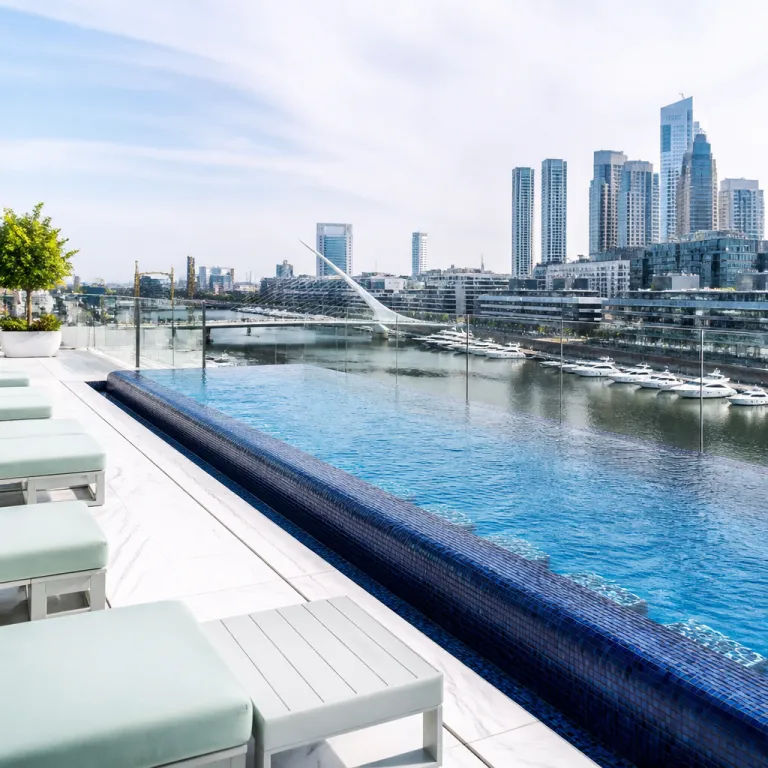
For travelers who enjoy contemporary architecture and water views, Buenos Aires “what to see” lists often start with Puerto Madero. This redeveloped docklands area is now lined with glass towers, upscale restaurants and some of the city’s most modern hotels. It is a great place for guests who want a calm, secure base within walking distance of the historic center.
From Puerto Madero, you can reach Plaza de Mayo and the Casa Rosada in about fifteen minutes on foot. This short walk connects the newest part of Buenos Aires with its political heart, where major events in Argentina’s history unfolded. Luxury hotels here often organize private walking tours that explain what happened in each square and how it shaped the wider story of South America.
Another highlight within easy reach is Palacio Barolo, an early twentieth century office building inspired by Dante’s Divine Comedy. Guided tours take you from the dark lower floors, symbolizing hell, up to the lighthouse with sweeping views over Buenos Aires. Visiting Palacio Barolo at sunset is one of the best things to do if you enjoy architecture and want a panoramic sense of the skyline.
Puerto Madero itself offers pleasant, mostly flat paths ideal for a relaxed day or evening stroll. Many experiences here are free, from watching the bridges light up at night to observing rowers on the docks. This makes it a good area to balance high end hotel stays with low cost things Buenos Aires provides outdoors.
Because Puerto Madero sits between the river and the city, it works well for travelers who split their time between business and leisure. You can attend meetings in the financial district by day, then enjoy fine dining or a quiet drink overlooking the water at night. For culture focused stays in cooler months, pair a Puerto Madero hotel with events listed in curated winter cultural calendars such as the one on Buenos Aires’ seasonal performances, and let your concierge secure tickets in advance.
When you combine Puerto Madero with visits to Palacio Barolo, Plaza de Mayo and nearby museums, you see both the new and old faces of Buenos Aires. This contrast is part of what makes travel here so rewarding for guests who appreciate design, history and comfort in equal measure. It also shows how carefully chosen hotel locations can turn simple sightseeing into a coherent narrative of the city.
Literary and café culture: Ateneo Grand Splendid and beyond
Among all the answers to Buenos Aires “what to see”, one name appears constantly for book and architecture lovers. El Ateneo Grand Splendid, often shortened to Ateneo Grand, is a former theatre transformed into a spectacular bookstore. Its balconies, stage and painted dome remain intact, making it one of the best things Buenos Aires offers for quiet, atmospheric time indoors.
Many luxury hotels in Recoleta and Palermo arrange short transfers or guided walks that include Ateneo Grand Splendid. You can combine a visit to this grand space with nearby museum stops, such as Museo Nacional de Bellas Artes or smaller museo arte galleries. This creates a cultured day that moves from visual art to literature while keeping distances manageable in the dense city.
Café culture is another essential part of what makes Buenos Aires feel unique within Latin America. Historic coffeehouses in the center and Recoleta function as living rooms for the city, where locals linger for hours over a single drink. To understand this ritual more deeply, consult guides to the winter café season such as this article on why Buenos Aires cafés feel like living rooms, then ask your concierge to reserve a table at a classic venue.
For luxury travelers, choosing a hotel with its own strong café or tea service enhances these experiences. You might spend the morning in a historic café downtown, then return to your hotel lounge for a quieter, more private version of the same ritual. This rhythm turns simple things Buenos Aires residents do daily into refined moments of your own travel story.
Literary themed tours are increasingly popular among guests who want to go beyond standard museum visits. These tours often link Ateneo Grand Splendid with writers’ haunts, independent bookstores and residential streets where major Argentine authors once lived. When arranged through a premium hotel, such tours can be tailored to your reading interests and preferred walking time.
Because many of these experiences are either free or low cost, they pair well with higher spending on accommodation and fine dining. You can allocate budget to a premium suite while still enjoying rich cultural days built around cafés, bookstores and public art. In a city that values conversation and reflection, these quieter activities often become the most memorable parts of a stay.
Planning your luxury stay around museums, tours and free highlights
When you plan what to see in Buenos Aires from a luxury or premium hotel, think in themed days rather than isolated sights. One day might focus on museums and formal tours, while another emphasizes free walks, markets and street art. This structure helps you use your time efficiently and ensures each day feels coherent rather than rushed.
For a museum focused day, base yourself in Recoleta or nearby Palermo and start with the major museo arte institutions. Combine Museo Nacional de Bellas Artes with smaller spaces like the decorative arts museum or contemporary art venues along the cultural circuit. Many hotels can arrange private guides who adapt explanations to your interests, which is especially valuable if you want deeper context on Argentina’s political and artistic history.
Another day can center on free or low cost experiences that still rank among the best things Buenos Aires offers. Walking tours through San Telmo, La Boca’s Caminito and the historic core around Plaza de Mayo reveal what shaped the city over time. Wear comfortable shoes, check opening hours in advance and be mindful of local customs to make these days smooth and respectful.
Street art tours in Palermo and Barracas are ideal for guests who enjoy photography and contemporary culture. These tours often highlight how Buenos Aires connects local issues with global movements in Latin America and South America. Because many murals sit in residential areas, booking with reputable operators through your hotel ensures routes are safe and respectful of residents.
Luxury hotels can also help you balance structured tours with free time by suggesting specific hours for each activity. For example, you might visit major museums in the cooler morning, rest at the hotel spa in the afternoon, then head out for an evening performance at Teatro Colón. This pacing respects both your energy and the city’s rhythm, which tends to come alive later in the day.
Finally, remember that some of the most rewarding things Buenos Aires offers cost nothing at all. Sitting in a plaza, watching tango dancers in San Telmo or simply walking through Recoleta at dusk can be as meaningful as any paid tour. With the right hotel as your base, these simple moments become part of a carefully curated, high comfort journey through the city.
Gastronomy and nightlife: making the most of evenings in the city
Evenings are when many travelers feel the full charm of Buenos Aires, what to see and what to taste. The city’s gastronomy and nightlife scene ranges from traditional parrillas to contemporary tasting menus and intimate wine bars. Choosing a luxury or premium hotel in Palermo, Recoleta or Puerto Madero places you close to the best options while keeping late night returns easy.
In Palermo Soho, Don Julio remains a reference point for steak lovers who visit Buenos Aires. Its reputation extends across Latin America and South America, so reservations are essential and often handled best through hotel concierges. Around it, smaller restaurants and bars offer creative takes on Argentine classics, turning the whole area into a great place for an extended evening walk and meal.
Recoleta offers a more restrained but equally refined dining scene, with elegant restaurants and classic cafés. Here, you can pair a late dinner with a pre or post meal stroll past the illuminated façades and quiet plazas of the city. Many premium hotels in this district also host in house restaurants that attract local diners, which is usually a sign of consistent quality.
Puerto Madero specializes in waterfront dining, where glass fronted restaurants overlook the docks and bridges. This area is particularly convenient for business travelers who want to minimize travel time between meetings, hotel and dinner. Because many venues here cater to international guests, you will find extensive wine lists featuring Argentina’s best labels alongside global selections.
For culture rich nights, combine gastronomy with performances at Teatro Colón or smaller theatres across the metropolitan area. You might enjoy an early dinner near the theatre, attend an opera or ballet, then return to your hotel for a final drink at the bar. Guided night tours, sometimes offered as part of hotel packages, can also show you what Buenos Aires looks like after dark while keeping logistics simple and secure.
Throughout your stay, let your hotel team advise on which places feel current, which offer the best things Buenos Aires has in a given season and what new openings are worth your time. Their local knowledge, combined with your own interests, will shape evenings that feel both effortless and deeply connected to the city. In the end, it is this blend of fine food, music, architecture and attentive service that defines a truly luxurious Buenos Aires experience.
Key figures for culture focused stays in Buenos Aires
- Teatro Colón welcomes around 250,000 visitors each year, according to its official data, which confirms its status as one of the most significant opera houses in South America.
- Recoleta Cemetery covers approximately 14 acres in the heart of Buenos Aires, creating a dense concentration of mausoleums and sculptures within a relatively compact area.
- Major attractions such as Teatro Colón, Casa Rosada, Recoleta Cemetery, Caminito and Plaza de Mayo operate year round, giving luxury travelers flexibility to plan visits in any season.
- Walking tours, public transportation and guided tours remain the primary methods recommended by the city tourism office for exploring Buenos Aires efficiently and sustainably.
- Rising interest in cultural tourism and eco friendly travel options has led many premium hotels in Buenos Aires to partner with local tour operators for small group or private experiences.
FAQ about luxury and premium cultural stays in Buenos Aires
Is photography allowed in Recoleta Cemetery for visitors staying nearby ?
Yes, photography is allowed in Recoleta Cemetery, but visitors should avoid disturbing mourners or guided groups. Luxury hotels in Recoleta can arrange private tours that respect these guidelines while highlighting key mausoleums. Early morning visits usually offer softer light and fewer crowds for thoughtful photography.
Are guided tours available at Casa Rosada and how should I book them ?
Guided tours are available at Casa Rosada, and free tours are offered on weekends according to official information. Because places are limited, ask your hotel concierge to reserve in advance through the government’s booking system. Combining Casa Rosada with Plaza de Mayo and nearby museums makes an efficient half day in the historic center.
How much walking is involved in cultural tours around the city Buenos Aires ?
Most central walking tours cover between 3 and 5 km, spread over several hours with frequent stops. Comfortable shoes are essential, especially in areas like San Telmo where cobbled streets can be uneven. Luxury travelers who prefer shorter walks can request customized routes or private vehicles between key sights.
Which neighborhoods are best for a first luxury stay focused on culture ?
Recoleta, Palermo and Puerto Madero are the most practical bases for culture focused luxury stays. Recoleta offers quick access to museums and Recoleta Cemetery, Palermo excels for street art and dining, while Puerto Madero provides modern comfort near the historic core. Your choice should reflect whether you prioritize classic architecture, creative nightlife or waterfront calm.
Do I need to book museum and theatre tickets in advance when staying at premium hotels ?
For major venues like Teatro Colón and popular temporary exhibitions, advance booking is strongly recommended. Many premium hotels maintain direct contacts with ticket offices or trusted tour operators, which helps secure seats even on busy days. For smaller museums and free attractions, same day visits are usually possible, though checking opening hours in advance remains wise.