Luxury guide to July 9 in Buenos Aires for family travelers
Why July 9 matters in Buenos Aires for luxury travelers
Argentina declared independence from Spain on July 9, 1816, at the Congress of Tucumán. For Buenos Aires, this is not just another date on the calendar but the moment when a distant colonial port began to imagine itself as the capital of a sovereign country with its own will and character. For a traveler choosing a luxury stay, understanding this Independence Day context changes how you read the streets, the flags, and even the hotel programming.
Locals speak of Día de la Independencia with a seriousness that goes beyond long weekends and public holidays. The day the United Provinces of the Río de la Plata formally broke with the Spanish Crown is still a national holiday that shapes how families plan their winter school break and how the city stages its civic rituals. Buenos Aires sits far from Tucumán in distance, yet the emotional gap between the congress hall there and the Obelisk here feels very small on this date, celebrated simultaneously in plazas and neighborhoods across the country.
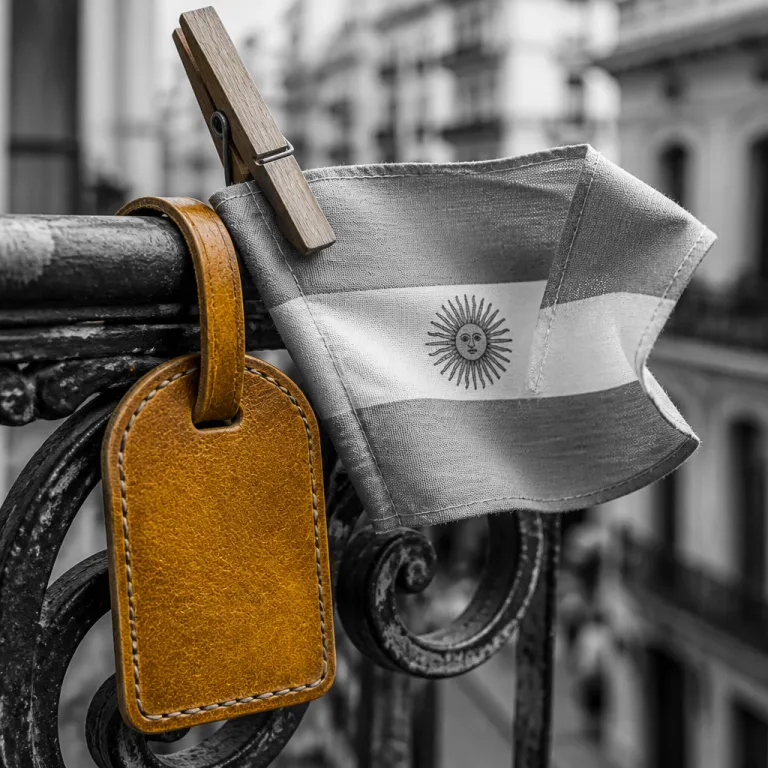
Official answers to “What is the significance of July 9 in Argentina?” remain simple and clear: it marks the day Argentina became an independent nation in 1816. That turning point, sealed in a modest congress house in Tucumán, is why every July you will see the Argentine flag on almost every balcony in this city. When you book a premium hotel for the July 9 festivities, you are stepping into a living story of national independence rather than just another winter holiday break in Argentina.
Where the celebrations unfold: avenues, plazas and hotel locations
The heart of July 9 commemorations in Buenos Aires is the downtown axis between Plaza de Mayo and the Congreso de la Nación. On this day, national ceremonies typically begin around 9:00 a.m. with flag raisings and public speeches by senior authorities, while local communities fill the gaps with music and dance. If you want your family to walk out of the lobby straight into the action, choose a luxury property within 1 or 2 km of Avenida de Mayo, the Obelisk, or nearby Diagonal Norte.
Morning usually starts with official acts around the Cabildo and the cathedral, then the focus shifts west along Avenida de Mayo toward the congress building, echoing the path from colonial rule to Argentine self-government. Military-style parades, marching bands, and cultural events can turn this corridor into a living timeline of modern Argentine history, and attendance can reach hundreds of thousands when the weather cooperates. Arrive by 8:30–9:30 a.m. to secure good viewing spots, use the Subte (Lines A, B, and D are most affected by crowds near Plaza de Mayo and Congreso stations), and stay hydrated and comfortably dressed because a day celebrated in the streets can feel long for younger children.
Families who prefer a softer edge to the national holiday should base themselves in Recoleta or Palermo and dip into the center only for key celebrations. From these neighborhoods you can still reach the main events quickly by taxi or metro, yet return to quieter streets where the holiday mood is more about café tables and parks than loud parades. To understand how this civic energy contrasts with the city’s usual rhythm, read a sharp barrio guide such as what actually matters in Buenos Aires beyond the tango show before you book.
Flavors of independence: where to eat on and around July 9
Independence Day in Buenos Aires is as much about what is on the table as what is on the flagpoles. In a country where food is a quiet language of nation building, Argentine families gather around steaming bowls of locro, empanadas baked by the dozen, and pastelitos dripping with syrup. For travelers, this national holiday becomes the perfect excuse to let the city’s kitchens explain the story of independence in their own way.
Start with locro, the slow-cooked corn and meat stew that feels designed for a cool July evening in the city. Many luxury hotel restaurants offer a refined version on their July 9 menus, pairing it with Argentine Malbec and live folk music events curated with local cultural organizations. Outside the hotel, look for traditional peñas and parrillas that advertise Independence Day specials, where you may hear songs about the United Provinces and the provinces south of the Andes while children wave small flags and share hot chocolate.
High-end properties increasingly build entire day-long programs around food, from morning medialunas and hot chocolate for watching the parades to evening tastings of regional wines that trace the country from Salta to Patagonia. Some partner with private galleries and chefs to stage dinners that link art, independence, and terroir, a trend that mirrors the city’s broader cultural scene described in guides to the contemporary art circuit reshaping Buenos Aires. One concierge recalls a past July 9 when a family returned from the parades with paper flags and cold hands; the hotel improvised a locro tasting by the fireplace, and the children ended the night debating which dessert best represented the country.
Designing a July 9 stay: hotel strategies, wellness and family logistics
Planning a July 9 trip to Buenos Aires for a premium family means balancing spectacle with comfort. The city is in the middle of the southern hemisphere winter, so your hotel choice should combine easy access to public events with enough indoor space for children to warm up between outings. Look for properties that treat the national public holiday as a chance to showcase Argentine culture rather than just another date on the reservations grid.
Many leading hotels now curate full Independence Day experiences: themed kids’ clubs explaining the story of independence through crafts, screenings about the Congress of Tucumán, and guided walks to Plaza de Mayo timed around the main ceremonies. Some align their spa and wellness offerings with the slower rhythm of the day, encouraging guests to pair a morning of civic pride with an afternoon of thermal circuits and massages. If that balance appeals, explore a dedicated guide to a wellness weekend in Buenos Aires spa hotels and adapt it to the July calendar.
Practicalities matter: public transport runs on a holiday schedule, many shops close, and museums may adjust hours, so your concierge will be your best ally. Ask in advance which national events are realistic with children, which streets near your hotel will be blocked, and how to reach the airport or long-distance terminals if you are continuing your travel across South America. When you step back to your room at night, with the last fireworks fading over the city and the flags still hanging from the balconies, you will understand why this day Argentine families cherish feels very different from any other public holiday in Buenos Aires.
FAQ
What is the significance of July 9 for Argentina?
July 9 is the date when Argentina declared independence from Spain at the Congress of Tucumán in 1816, turning the United Provinces of the Río de la Plata into a sovereign nation. The day is celebrated as a national holiday across the country, with Buenos Aires hosting major public events and ceremonies. It is one of the central markers of Argentine independence and national identity.
Are businesses and attractions open on July 9 in Buenos Aires?
Most government offices and many businesses close for the public holiday, while some cafés, restaurants, and shopping centers remain open with reduced hours. Museums and cultural venues often operate on a special schedule and may host Independence-themed events. Plan ahead with your hotel concierge to confirm which attractions fit your family’s July 9 itinerary in Buenos Aires.
What traditional foods should travelers try on Independence Day?
Locro, a hearty corn and meat stew, is the emblematic dish of Día de la Independencia and appears on many home and restaurant tables. Empanadas, especially Tucumán-style, and sweet pastelitos filled with quince or sweet potato are also closely tied to the celebrations. Many luxury hotels in Buenos Aires design special menus around these flavors so guests can experience traditional holiday dishes without leaving the property.
Where are the main Independence Day celebrations held in Buenos Aires?
The core national public ceremonies take place around Plaza de Mayo, Avenida de Mayo, and the area near the Congreso de la Nación. Parades, marching bands, and cultural performances attract large crowds along this axis, and nearby streets are often closed to traffic for several hours. Families staying in central or nearby neighborhoods will find it easy to walk to these events while still retreating to quieter streets afterward.
How should luxury travelers plan their stay around July 9?
Book well-located hotels that balance proximity to the main events with comfortable indoor spaces for winter weather. Coordinate with the concierge about road closures, holiday transport schedules, and any hotel programming linked to Independence Day, such as special dinners or cultural evenings. Arrive early for outdoor ceremonies, dress warmly in layers, and allow time between activities so children can rest and enjoy the atmosphere rather than endure it.