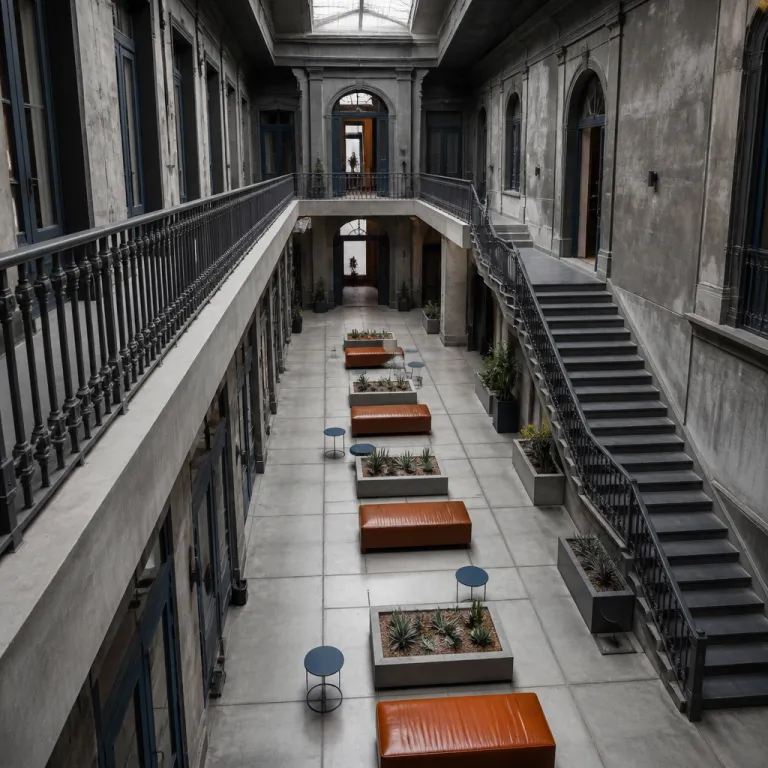
Buenos aires mansion hotels heritage and the rise of the palace hotel stay
Buenos Aires grew rich fast, and its mansion-lined avenues still show it. That early boom turned the city into one of the best places in South America to experience grand domestic architecture reborn as a luxury hotel. When you walk into these converted residences, you feel how the city’s aristocratic heritage shapes every corridor, staircase and courtyard.
The story starts in Recoleta, where many of the most historic hotels occupy former private palaces built in a confident Belle Époque idiom between roughly 1890 and 1930. These mansions once hosted Latin American aristocrats who looked to Paris for façades, to Italy for stonework and to local Argentine craftsmen for the details that now define each hotel located in this elegant district. Today, staying historic in Recoleta means sleeping under original plasterwork while the city hums quietly beyond heavy wooden doors.
Unlike many European palace hotel conversions, the grand houses of Buenos Aires reflect a Latin blend of formality and informality that feels distinctly porteño. You might view a marble staircase worthy of a royal residence, then step into a courtyard where a swimming pool glows beside a relaxed restaurant serving Malbec by the generous glass. This contrast between ceremonial architecture and easygoing service is what makes these hotels so compelling for a first or repeat visit.
Mansión Álzaga Unzué at Four Seasons: a belle époque stage for modern luxury
Mansión Álzaga Unzué at Four Seasons Buenos Aires is one of the clearest expressions of this mansion-hotel tradition in motion. The historic residence, completed in the early 1920s for the Álzaga Unzué family and attributed to architects Eduardo Le Monnier and Julio Dormal in hotel histories, sits beside a contemporary tower, and together they form one luxury hotel that bridges Latin America’s past and present. Guests can book a suite in the mansion for an intensely atmospheric experience, or choose the tower for a more streamlined city view and modern layout.
Inside the mansion, each suite feels like a private apartment in a grand city hotel, with high ceilings, carved doors and period-inspired textiles. The gardens between mansion and tower host Nuestro Secreto, a restaurant where the open-flame parrilla turns dinner into a cultural ritual rather than a simple meal. This is where Buenos Aires history becomes tangible, as you taste Argentina’s beef culture under the same trees that once shaded aristocratic garden parties.
The property also shows how a palace hotel can adapt to contemporary expectations without losing its soul. You have a swimming pool in the garden, a spa in the tower and seamless digital services through the hotel website, yet the historic bones remain largely untouched. For travelers tracking future openings and renovations in Buenos Aires hotels, this balance of preservation and innovation sets a benchmark, and it is often compared with newer luxury addresses highlighted in the curated guide to upcoming hotel openings in Buenos Aires.
Palacio Duhau Park Hyatt and Algodon Mansion: Recoleta’s heritage power duo
Palacio Duhau Park Hyatt is the grande dame of Buenos Aires palace hotels, occupying a 1930s residence that feels carved from limestone light. The palace side preserves salons, staircases and terraces, while a contemporary wing across the garden adds rooms, a spa and a discreet swimming pool for longer stays. Walking between both wings, you sense how the city center once revolved around families whose homes now anchor some of the most historic hotels in Argentina.
Algodon Mansion, a smaller luxury hotel nearby, shows a more intimate take on staying historic in Recoleta. The hotel located on a quiet residential street offers just a handful of suites, a rooftop terrace and a compact spa that feels almost private. For solo travelers who want to explore Buenos Aires on foot, this scale makes it easy to slip between art galleries, cafés and outdoor activities in nearby plazas without ever feeling lost in a crowd.
Families and wellness-focused guests often compare these Recoleta addresses with properties that specialize in restorative stays, such as those profiled in the guide to wellness friendly Buenos Aires hotels for guests with children. Palacio Duhau Park Hyatt excels at formal gardens and cultural programming, while Algodon Mansion leans into personalized service and a residential atmosphere. Both prove that the city’s mansion-hotel legacy can support very different interpretations of luxury, from grand receptions to quiet evenings with a glass of Malbec on a terrace.
From San Telmo to Palermo: smaller conversions and the art of character
Beyond Recoleta, historic mansion hotels take on a looser, more bohemian character in San Telmo and Palermo. Here, former townhouses and smaller mansions become hotels that trade scale for intimacy, often with fewer rooms and more idiosyncratic layouts. You might find a hotel located behind an unmarked door in San Telmo, its lobby doubling as a living room, or a boutique property in Palermo where a leafy patio becomes the social heart of the stay.
Hotel Casa Lucía, in a 1928 Art Deco building near the city center, is a good example of how historic architecture can be reinterpreted without feeling like a museum. The design leans into surrealist-inspired art and bold color, yet the original bones remain visible in staircases, cornices and window frames that speak to Buenos Aires’s early 20th-century grandeur. These smaller hotels often attract solo explorers who want to visit iconic neighborhoods by day and return to a space that feels more like a stylish home than a formal palace.
For travelers interested in the cultural and artistic side of Argentina’s capital, these smaller conversions often sit within walking distance of independent art galleries and studios. A detailed overview of this creative landscape appears in the dedicated article on the private gallery circuit and contemporary art scene in Buenos Aires. Staying historic in these barrios means your daily experience extends beyond the hotel, as the city itself becomes part of the design narrative every time you step outside.
How to choose among buenos aires mansion hotels heritage for your stay
Selecting the right property within the Buenos Aires mansion-hotel landscape starts with clarifying what you want from the experience. If you dream of a palace hotel with formal gardens, a grand staircase and a strong connection to Latin American high society, Palacio Duhau Park Hyatt or Mansión Álzaga Unzué at Four Seasons will feel like the best fit. Travelers who prefer a quieter, more residential atmosphere might lean toward Algodon Mansion or smaller conversions in Palermo and San Telmo.
Location matters, especially if you plan to explore the city on foot and rely on outdoor activities rather than constant taxis. Recoleta places you close to the city center, major cultural institutions and several of the most historic hotels, while Palermo offers a more contemporary scene of restaurants, bars and design shops. San Telmo, by contrast, immerses you in cobbled streets, antique markets and a denser sense of Argentina’s layered past.
Practical details also shape the overall view of your stay, from whether the hotel website makes booking clear to how the staff handle late arrivals after long flights from other parts of South America. Many of these properties feature a swimming pool, spa and high-end restaurant, but the atmosphere can range from hushed formality to relaxed, almost club-like intimacy. Whatever you choose, staying historic in Buenos Aires means your hotel becomes part of the story you tell about the city, not just a place to sleep between museum visits and parrilla dinners.
Preservation, authenticity and the future of mansion hotels in Buenos Aires
The conversion of private mansions into hotels in Buenos Aires is not just a hospitality trend; it is a preservation strategy. Local architects, interior designers and international hospitality brands collaborate to keep these buildings alive, rather than letting them fade behind closed shutters. As one industry summary puts it, “Historic Buenos Aires mansions transformed into luxury hotels.”
This movement responds to a growing interest in heritage tourism, where guests want a direct experience of the city’s grand houses rather than a generic luxury hotel that could sit in any city. Restoration teams use architectural preservation techniques to stabilize façades, staircases and ornamental details, then layer in contemporary comforts such as climate control, soundproofing and discreet technology. The result is a set of historic hotels that feel both authentic and functional, with occupancy rates that show travelers are willing to pay for that combination.
Looking ahead, the tension between preservation and modernization will continue to shape how these historic hotels evolve. Some properties will emphasize their role as cultural landmarks, aligning with broader conversations about potential UNESCO heritage recognition for key districts, while others will push design boundaries to attract a younger, design-literate audience. For discerning travelers, this means the next iconic stay in Buenos Aires may offer an even richer blend of history, architecture and contemporary Latin American hospitality than the last.
FAQ
Which are the most notable converted mansion hotels in Buenos Aires ?
Three names consistently stand out when discussing historic mansion hotels in Buenos Aires. Palacio Duhau Park Hyatt, Mansión Álzaga Unzué at Four Seasons and Algodon Mansion all occupy former private residences that have been carefully restored. Each offers a different scale and mood, from palace-hotel grandeur to intimate, residence-style luxury.
Why are historic mansions in Buenos Aires being turned into hotels ?
The main reason is to preserve architectural and cultural heritage while keeping the buildings economically viable. Converting these properties into a luxury hotel or smaller historic hotels allows owners to fund ongoing maintenance and restoration. At the same time, guests gain access to spaces that would otherwise remain private or fall into disrepair.
What kind of amenities do mansion hotels in Buenos Aires usually offer ?
Most properties within this heritage-focused category offer spacious suites, high-quality bedding and attentive, personalized service. Many include a swimming pool, spa facilities, a signature restaurant and curated cultural experiences such as art tours or wine tastings. The exact mix varies, but the emphasis is always on comfort that respects the historic fabric of the building.
Which neighborhoods are best for staying in a converted mansion hotel ?
Recoleta is the classic choice, with several of the city’s most famous palace-hotel conversions and easy access to museums, parks and the city center. Palermo offers smaller, design-forward hotels that appeal to travelers interested in nightlife, dining and contemporary culture. San Telmo suits guests who want to stay amid cobbled streets, antique markets and a more bohemian slice of Argentina’s history.
How far in advance should I book a mansion hotel in Buenos Aires ?
Because many of these heritage properties tend to have fewer rooms than large chain hotels, they often sell out quickly during peak travel periods. Booking several months ahead is wise if you want a specific suite category or a particular view. For last-minute trips, flexibility with dates and neighborhoods will improve your chances of finding availability.