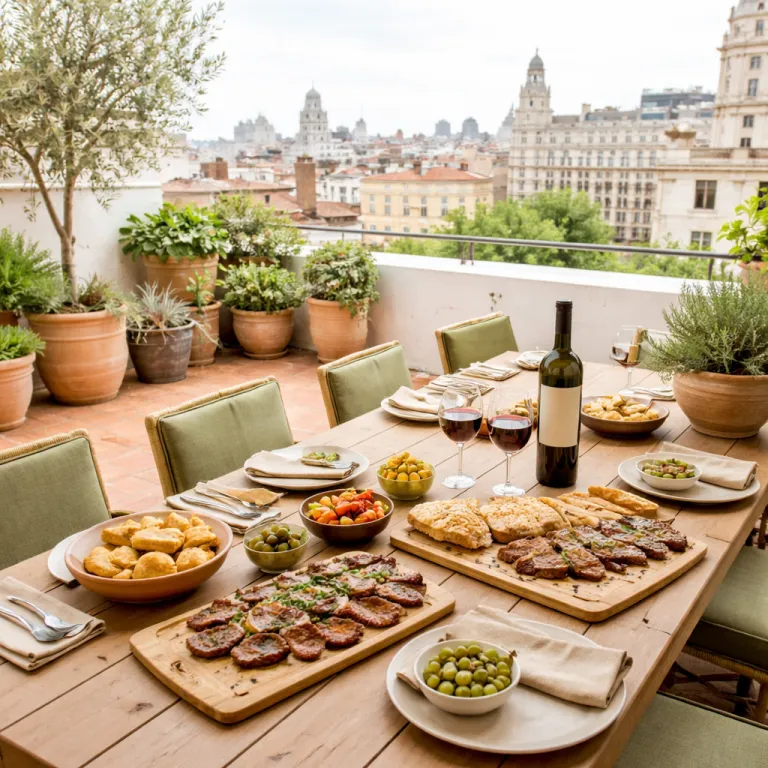
Why business restaurants in Buenos Aires feel different now
Business restaurants in Buenos Aires are no longer just about a fast steak and a firm handshake. Across the city, from the financial district to the Palermo backstreets, the classic individual bife de chorizo is giving way to shared plates that change how executives talk, negotiate and connect. This evolution in dining Buenos Aires style matters for every traveler who books a luxury hotel and expects the restaurant to handle both serious business and relaxed conversation.
The shift began in traditional bodegones, those generous, old school restaurants Buenos Aires locals have always trusted for honest Argentine food and long lunches. As one expert definition puts it, “What is a bodegón?” and the answer follows: “A traditional Argentine restaurant offering generous portions of local cuisine.” Today many bodegones in Buenos Aires, Argentina blend that heritage with contemporary service, communal tables and wine lists that go far beyond the safe Malbec from a single country region.
For visiting executives, this means choosing a place for business dinners across Buenos Aires is now less about the most formal room and more about the right energy. A well run Buenos Aires restaurant will seat you close enough to feel the buzz yet far enough to talk numbers without shouting across plates of grilled meat and bowls of tomato sauce slicked pasta. When you browse dining options through a premium booking platform, look for cues like shared menus, sommelier led pairings and flexible table layouts that can adapt from a two person debrief to a long team dinner.
From solo steaks to shared plates and parrilla diplomacy
The traditional Buenos Aires business dinner revolved around one person, one steak and a clear hierarchy at the table. That model still exists in some of the most popular parrillas, yet the most interesting business restaurants Buenos Aires offers now lean into shared cuts, small plates and a more fluid rhythm of dining. This communal approach reflects an evolving business culture in Buenos Aires, Argentina, where the goal is to encourage interaction and break formal barriers rather than simply close a deal over meat and Malbec.
Nowhere is this clearer than at places like Don Julio in Palermo, widely ranked among the best restaurants for serious Argentine meat. Here, a table might share a massive bife de chorizo, morcilla and provoleta instead of each guest ordering separately, turning the act of choosing and carving into part of the conversation. If you want to understand how parrilla culture underpins business hospitality, read a focused guide such as the piece on the asador who decides your cut before you book, then let the asador lead while you concentrate on your guests.
Communal tables, once rare in Buenos Aires dining rooms, now appear in both modern restaurants and updated bodegones across the Chacarita neighborhood, Villa Crespo and San Telmo. As one local explanation notes, “Why are communal tables popular in Buenos Aires?” and the answer is clear: “They promote interaction and networking among diners.” For executives, that means a well chosen Buenos Aires restaurant can double as a discreet networking hub, where you might start with shared empanadas, move to sliced steak and finish with a plate of dulce de leche filled pancakes passed around the table.
Where to host: barrios, hotel tables and the new wine language
Choosing the right restaurant for a business dinner in Buenos Aires starts with the neighborhood, then the room, then the wine list. In San Telmo, cobbled streets and antique shops frame restaurants Buenos that lean nostalgic, while in Villa Crespo and the Chacarita neighborhood, you will find sharper, chef driven Buenos Aires restaurants with natural wine and shared tasting menus. For travelers staying in luxury hotels, in house dining Buenos Aires options now often mirror this shift, offering both classic Argentine food and lighter plates designed for conversation rather than formality.
Hotel Fierro in Palermo Hollywood is a strong example, where the restaurant balances polished service with a relaxed, contemporary room that works for both clients and colleagues. Before booking, read a detailed review such as the one on refined dining at Hotel Fierro to understand how the space handles long meals, private conversations and late seatings. When you scan menus in these business focused dining rooms across Buenos Aires, look for flexibility: a mix of shareable starters, a serious bife de chorizo for traditionalists and at least one excellent vegetarian main so every guest feels considered.
The wine conversation has also changed, moving beyond a single safe Malbec from Mendoza to include skin contact whites, Patagonian Pinot Noir and small producer labels that locals quietly rate as the best. Natural wine bars now sit alongside more formal Buenos Aires restaurants, and many of the best restaurants offer sommelier led tastings that can turn a standard dinner into a subtle masterclass in Argentine terroir. When a sommelier suggests pairing grilled meat with a lighter red or even a structured rosé, take the cue: it signals a restaurant confident enough to guide, not just serve.
Reading the room: timing, etiquette and the rhythm of the night
Business dinners in Buenos Aires start late, and that timing shapes everything from your hotel choice to your afternoon schedule. Locals rarely sit down before 21.00, and many of the best restaurants will not feel alive until closer to 22.00, which can be a shock for executives flying in from North America or Europe. Plan your travel so you can rest at the hotel, take a short walk through the neighborhood and arrive at the restaurant ready to match the city’s long, unhurried rhythm.
Once seated, expect service that is attentive but rarely rushed, with courses spaced to allow real conversation rather than a quick transactional exchange. This is where the evolution from rigid formality to communal ease becomes clear: shared plates arrive in waves, wine is topped up without fuss and the table slowly relaxes into a more candid mood. In this context, a well chosen Buenos Aires restaurant becomes an extension of your meeting room, but with better tomato sauce, grilled meat and a dessert of dulce de leche or ice cream that softens even the toughest negotiation.
Etiquette remains important, yet it is less stiff than in some other business capitals, and locals appreciate visitors who show curiosity about Argentine food and customs. Accept a pour of yerba mate offered after a long lunch, ask about the origin of the mozzarella cheese on your milanesa or the cut used for your bife de chorizo, and you will often unlock more open, generous conversation. When planning multiple dinners across Buenos Aires, Argentina, alternate high profile business restaurants Buenos Aires is famous for with quieter neighborhood spots where you can talk strategy without the pressure of being seen.
Practical strategies: reservations, tipping and using your hotel as a base
Securing the right table in business restaurants Buenos Aires wide requires planning, especially if you want prime times between 21.00 and 22.30. Industry surveys suggest that for top tier parrillas, locals now book five to ten days ahead for Thursday to Saturday nights, and even earlier for large groups. Always reserve in advance for places like Don Julio or other best restaurants in Palermo, and ask your luxury hotel concierge to leverage local relationships when a restaurant appears fully booked online. Many Buenos Aires restaurants hold back a few tables for hotel concierges and regulars, so a polite request by email or through the front desk can turn a waitlist into a confirmed reservation.
Use your hotel as a strategic hub for both work and leisure, especially if you are extending a business trip into a family stay. If you plan to bring children later in the week, consult resources such as this focused guide to Buenos Aires experiences worth booking early with kids and choose a property close to both business districts and relaxed restaurants Buenos that welcome younger diners. In areas like San Telmo and Villa Crespo, many Buenos Aires restaurants now offer early seatings on weekends, lighter food options and sweet desserts like flan with dulce de leche or artisanal ice cream that suit mixed age groups.
Tipping in Buenos Aires restaurants is straightforward: ten percent in cash is standard for good service, and more for exceptional attention during a long, complex dinner. When you use a travel guide or booking platform to compare places to eat, look beyond star ratings and focus on comments about noise levels, pacing and staff flexibility, because these details matter more than décor for serious business hospitality. Over several nights in Buenos Aires, Argentina, alternate high energy dining Buenos Aires venues with quieter restaurant choices, so you can host clients one evening and debrief with your own team the next without leaving the city’s rich food culture behind.
FAQ
How has the Buenos Aires business dining scene evolved in recent years ?
The city has shifted from very formal, individual plate service toward more communal and interactive experiences built around shared dishes. As one summary notes, “How has Buenos Aires' dining scene evolved?” and the answer is explicit: “It has shifted from formal settings to more communal and interactive experiences.” For business travelers, this means dinners now focus as much on fostering collaboration and networking as on the specific cut of meat ordered.
What is a bodegón and why does it matter for business dinners ?
A bodegón is a traditional Argentine restaurant that serves generous portions of local food in a relaxed, often nostalgic setting. These venues are important for business because many have modernized, adding better wine lists and more polished service while keeping their welcoming atmosphere. They offer a credible alternative to high profile fine dining when you want authenticity, value and a room where locals feel at home.
Why are communal tables and shared plates useful for corporate hospitality ?
Communal tables and shared plates naturally encourage conversation, eye contact and collaboration, which helps break down formal barriers between hosts and guests. In Buenos Aires, many modern restaurants and updated bodegones use this format to support networking among business professionals. For executives, this layout can turn a standard client dinner into a more dynamic, relationship building experience.
How far in advance should I reserve business restaurants in Buenos Aires ?
For popular parrillas and high demand dining rooms, you should book at least several days ahead, and sometimes longer for peak nights or large groups. Using your hotel concierge often improves your chances, because many restaurants keep a few tables for trusted partners. For more casual neighborhood spots, same day reservations usually work, but calling ahead remains wise if you need a quiet corner or specific timing.
What time do business dinners usually start in Buenos Aires ?
Most business dinners begin between 21.00 and 22.00, with guests often lingering past midnight over coffee or a final glass of wine. Visitors from earlier dining cultures should plan a rest in the late afternoon so they can match this later schedule comfortably. Arriving too early can leave you in an empty room, while aligning with local timing ensures the right atmosphere for serious yet relaxed conversation.