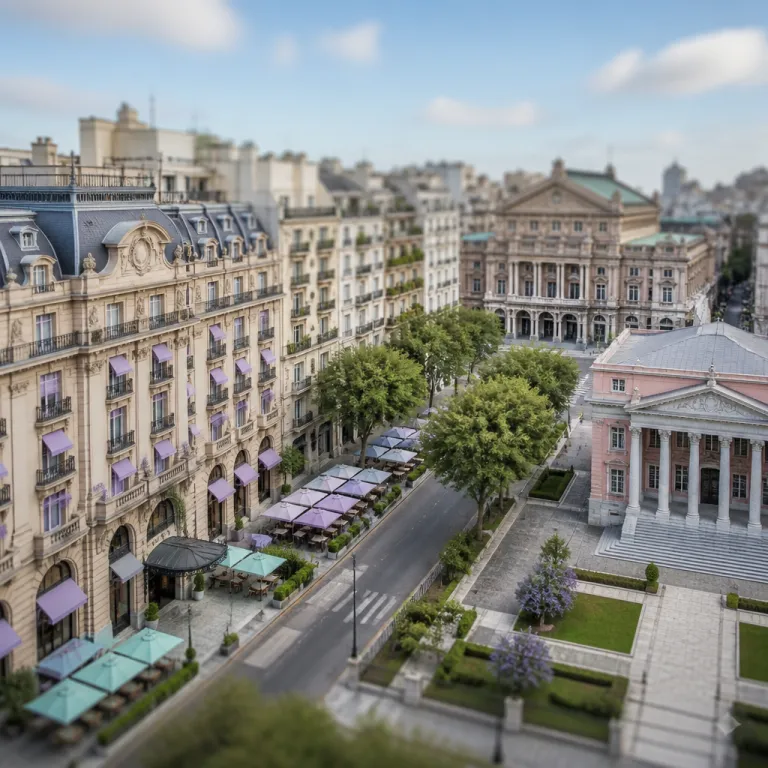
Section 1 – How luxury travelers should think about places to visit in Buenos Aires, Argentina
Buenos Aires is a city where European elegance meets Latin American energy. For luxury guests choosing among the many places to visit in Buenos Aires, Argentina, the real question is how to balance refined comfort with immersive culture. The right hotel in the right neighborhood turns every day in the city into a curated experience.
Most high end travelers focus first on which area of Buenos Aires will frame their stay. Recoleta, Puerto Madero, San Telmo, La Boca, and Palermo each offer a different rhythm, and the best choice depends on whether you prefer opera house evenings, waterfront walks, leafy parks, or late night tango. When you match your hotel to the cultural hotspots you plan to visit, transfers become short, and every street feels like an extension of your lobby.
Think of the city as a necklace of cultural pearls connected by grand avenues and intimate plazas. Around Plaza de Mayo and the Obelisco, you are close to the Teatro Colón, the Metropolitan Cathedral, and the historic Casa Rosada, which makes this area ideal for a first day of exploration. In Recoleta and Palermo, tree lined streets, museums, and refined cafés create a great place for guests who want calm surroundings without losing access to the best things Buenos Aires offers.
Luxury hotel teams in Buenos Aires work closely with licensed guides and vetted tour companies. They can arrange private guided tours that start directly from your lobby, whether you want a half day architecture tour, a chauffeured overview of the main barrios, or an evening focused on tango and wine. Booking at least 48 hours in advance is recommended in high season, especially for English speaking guides with specialist knowledge.
For travelers comparing cities across South America, Buenos Aires stands out for its density of cultural venues within a compact core. Many of the most important places to visit in Buenos Aires, Argentina sit within three to five kilometres of each other, which is ideal when you prefer chauffeured cars over long public transport rides. With thoughtful planning, you can move from street art to opera to waterfront dining in a single, carefully paced day, with most cross town transfers taking 15 to 25 minutes in normal traffic.
Section 2 – Recoleta, Teatro Colón and the opera house axis for cultured stays
Recoleta is often the first choice for guests who want a calm, elegant base near the most iconic cultural places to visit in Buenos Aires, Argentina. The neighborhood’s wide avenues, French style façades, and leafy plazas make it a natural fit for premium hotels that value discretion and service. From here, you can reach many of the city’s best things to see with a short car ride or a pleasant walk.
The Recoleta Cemetery, on Junín 1760, is the area’s most famous landmark, and it deserves more than a quick visit. Its marble mausoleums form a city within the city, and a private guide can explain the stories behind Argentina’s political dynasties and cultural figures. Many luxury hotels arrange early morning guided tours, typically starting around 9:00 a.m., which allow you to experience the site before the day crowds arrive and then return to your hotel for a late breakfast.
From Recoleta, a short transfer brings you to the Teatro Colón, on Cerrito 628, one of the world’s great opera houses. Daily tours of the Teatro Colón reveal its exceptional acoustics, gilded interiors, and backstage spaces, and a concierge can secure premium tickets for evening performances when available. Booking official guided visits online a few days ahead is wise in peak months, and staying in Recoleta or nearby Microcentro means you can dress for the opera, enjoy a pre show drink, and return to your room within minutes after the final curtain.
Culture focused travelers often combine a day around Recoleta Cemetery with an afternoon at nearby museums and galleries such as the Museo Nacional de Bellas Artes or the MALBA in Palermo. This part of Buenos Aires offers refined cafés and some of the best restaurants for leisurely lunches between visits, which suits guests who prefer to structure their time around comfort rather than rushing from place to place. When you plan your hotel around this axis, you turn the Recoleta area into your personal cultural salon.
For a deeper look at how to pair high culture with refined accommodation, many travelers consult specialist guides to elegant cultural hotspots in Buenos Aires. Resources dedicated to elegant ways to enjoy Buenos Aires around its most refined cultural hotspots help you map opera, museums, and high end dining onto specific hotel choices. This approach ensures that every visit to a museum, an opera house, or a historic plaza feels like a natural extension of your stay rather than a separate excursion.
Section 3 – San Telmo, La Boca and the tango‑street art triangle
South of the centre, San Telmo and La Boca offer a more bohemian side of the city, rich in tango, street art, and layered history. For luxury travelers, these areas are often best approached as curated excursions from a hotel in Recoleta, Puerto Madero, or central Buenos Aires. With a private driver or tailored guided tours, you can enjoy their intensity while returning to quieter surroundings at night.
San Telmo is one of the oldest neighborhoods in Buenos Aires, and its cobbled streets and antique shops create a distinctive atmosphere. On Sundays, the main street market along Defensa and the Plaza Dorrego area become a stage for tango dancers, musicians, and artisans, which makes this a great place to feel the city’s creative pulse. Many high end guests arrange a private walking tour of San Telmo in the morning, followed by a reservation at one of the area’s best restaurants for a long lunch.
La Boca, and especially the Caminito street, is famous for its colourful houses, open air tango performances, and bold street art. Because the area can feel crowded at peak times, a private tour with hotel arranged transport allows you to focus on the art and photography opportunities rather than logistics. Combining San Telmo and La Boca in a single day gives you a concentrated view of the city’s working class roots and artistic energy.
After a day in San Telmo and La Boca, many travelers appreciate returning to a quieter district for the evening. This is where staying in Puerto Madero or Recoleta pays off, as you can enjoy waterfront or plaza side dinners after an intense day of street life. For those who love café culture, guides to café season in Buenos Aires and its historic coffeehouses help you choose elegant spots like Café Tortoni for a refined pause between visits.
When planning places to visit in Buenos Aires, Argentina around San Telmo and La Boca, timing matters. Early mornings and late afternoons often provide softer light for photography and a calmer atmosphere on each street, while midday can be reserved for indoor art spaces or long lunches. Your hotel concierge can advise on the best time of day for each area and arrange drivers who know the quickest routes between San Telmo, La Boca, and your chosen property.
Section 4 – Puerto Madero, waterfront walks and fine dining near your hotel
Puerto Madero is the city’s most modern waterfront district, and it has become a favourite base for luxury and premium hotels. Glass towers, renovated docks, and wide promenades create a contemporary contrast to the historic centre, which appeals to guests who enjoy space, light, and skyline views. From here, many of the key cultural attractions in Buenos Aires remain within a short drive, yet your immediate surroundings feel calm and secure.
The neighborhood is particularly strong for dining, with some of the best restaurants in Buenos Aires lining the docks. Many offer tasting menus that reinterpret Argentine classics, making Puerto Madero an excellent place to explore the city’s rising culinary scene after a day of guided tours. Because the area is compact, you can walk between your hotel and dinner, enjoying the reflections of the city lights on the water.
Staying in Puerto Madero also places you close to the ecological reserve, which offers a different kind of city experience. Morning walks or bike rides along the riverfront provide a peaceful counterpoint to the intensity of central Buenos Aires, and many hotels can arrange private guides or equipment. This balance between urban sophistication and open air space is one reason why Puerto Madero has become a preferred address for high end travelers.
From a logistical perspective, Puerto Madero works well for guests who value efficient transfers. You are close to the financial district, within easy reach of Plaza de Mayo, and only a short ride from Recoleta, San Telmo, and the Teatro Colón area. Typical car journeys from Puerto Madero to Recoleta take around 15 minutes outside rush hour, which allows you to structure each day around one or two major visits without spending excessive time in traffic.
When comparing places to visit in Buenos Aires, Argentina from a Puerto Madero base, think in terms of themed days. One day might focus on history around Plaza de Mayo and the Casa Rosada, another on art and opera near Recoleta and the Teatro Colón, and a third on tango and street art in San Telmo and La Boca. Your hotel’s concierge team will help you sequence these experiences so that each day feels balanced between activity and relaxation.
Section 5 – Literary cafés, grand bookstores and refined urban rituals
Buenos Aires has long been a literary capital of South America, and this heritage shapes many of the most atmospheric places to visit in Buenos Aires, Argentina. For luxury travelers, historic cafés and grand bookstores offer a refined way to feel the city’s soul between museum visits and evening performances. These venues pair naturally with premium hotels that value quiet elegance and thoughtful service.
Café Tortoni, on Avenida de Mayo 825, is perhaps the most famous of the city’s traditional coffeehouses. Its stained glass, marble tables, and wood panelled rooms create a setting where you can linger over coffee, read, or simply watch the flow of the city. Many guests plan a mid morning stop here on a day that also includes a visit to Plaza de Mayo and the nearby Metropolitan Cathedral.
For book lovers, the Ateneo Grand Splendid is essential. This former theatre turned bookstore, on Avenida Santa Fe 1860, surrounds visitors with balconies of books and a frescoed ceiling, and it has become one of the best things Buenos Aires offers to culturally curious travelers. A private driver can easily combine a stop at the Ateneo Grand Splendid with nearby Recoleta sights, allowing you to move from literature to history in a single, fluid itinerary.
Shopping streets also play a role in the city’s cultural fabric. Calle Florida, a pedestrian street in the centre, mixes historic architecture with modern retail, and it can be an interesting place to walk between visits to the Teatro Colón and the Obelisco area. While it can be busy, visiting at a quieter time of day and with clear guidance from your hotel on where to pause for quality shops or cafés keeps the experience pleasant.
Many high end travelers weave these literary and café rituals into their broader schedule of places to visit in Buenos Aires, Argentina. A morning at the Ateneo Grand Splendid, an afternoon in Recoleta, and an evening performance at the Teatro Colón create a coherent narrative of art, history, and daily life. By using your hotel as a planning hub, you can ensure that each café, bookstore, and street fits naturally into your personal map of the city.
Section 6 – Curated tours, antiques and tailored cultural itineraries from your hotel
One of the advantages of booking a luxury or premium hotel in Buenos Aires is access to curated cultural itineraries. Concierges collaborate with experienced guides to design private tours that align with your interests, whether you care most about tango, architecture, antiques, or contemporary street art. This approach transforms the long list of places to visit in Buenos Aires, Argentina into a personalised sequence of meaningful encounters.
Antique lovers often focus on San Telmo, where historic houses and markets hide rare pieces and stories. Rather than navigating alone, many guests rely on specialists who know the best dealers and can arrange private viewings away from the busiest hours. For a deeper dive into this world, resources such as guides to collectors’ routes through Buenos Aires antiques and first editions help you frame your day before your hotel confirms the final details.
Street art has also become a major draw, especially in Palermo Soho and parts of La Boca. Luxury hotels can arrange guided tours that focus on specific artists, themes, or districts, often including access to studios or galleries that are not open to casual visitors. This allows you to experience the city’s contemporary art scene in depth while still returning to the comfort of a high end property at the end of the day.
For guests who want a broader overview, multi themed tours can link several neighborhoods in a single, well paced day. A typical route might include Plaza de Mayo and the Casa Rosada in the morning, Recoleta Cemetery and the Ateneo Grand Splendid in the afternoon, and a tango focused evening in San Telmo or La Boca. Because your hotel coordinates transport and timing, you can move smoothly between each place without worrying about logistics.
As you plan your own list of places to visit in Buenos Aires, Argentina, remember that the city rewards both structure and spontaneity. Use your hotel’s expertise to secure the best guides, tickets, and tables, then leave space for unplanned moments on a quiet street or in a sunlit plaza. This balance is what turns a stay in Buenos Aires from a simple city break into a layered cultural journey.
Key figures for cultural travel in Buenos Aires
- Buenos Aires welcomed around 2.7 million international tourists in 2019, according to the Buenos Aires Tourism Board and city statistics, which supports a sophisticated infrastructure for guided tours, cultural venues, and high end accommodation.
- The city is divided into 48 official neighborhoods, based on data from the City of Buenos Aires, giving travelers a wide choice of distinct areas such as Recoleta, San Telmo, La Boca, Palermo, and Puerto Madero for different styles of stay.
- Teatro Colón opened in its current building in 1908, and the institution’s history dates back to the mid 19th century, according to its official information, which underlines its status as one of the world’s most respected opera houses and a central reference point for culture focused itineraries.
FAQ about planning a luxury cultural stay in Buenos Aires
What is the best time to visit Buenos Aires for cultural travel ?
Spring, from September to November, is often considered the best time to visit Buenos Aires because temperatures are mild and jacaranda trees bloom across the city. This season is ideal for walking between plazas, museums, and theatres without extreme heat or cold. Opera and concert schedules at venues like the Teatro Colón are also typically active during this period.
Is Buenos Aires safe for luxury travelers staying near major attractions ?
Central Buenos Aires is generally safe for tourists, especially in areas where luxury and premium hotels cluster, such as Recoleta and Puerto Madero. Authorities still recommend basic precautions, such as avoiding the display of valuables and staying alert in crowded places like Calle Florida or busy subway stations. Many high end properties offer secure transport and trusted drivers, which further reduces risk when moving between attractions.
Do I need to speak Spanish to enjoy cultural hotspots in Buenos Aires ?
Basic Spanish is helpful, but many staff members in hotels, restaurants, and major cultural institutions speak English. Guided tours in English are widely available for sites such as Recoleta Cemetery, San Telmo, and the Teatro Colón. Learning a few key phrases will enhance your interactions, yet it is entirely possible to plan and enjoy a sophisticated stay using English alone.
How many days should I plan for the main cultural places to visit in Buenos Aires, Argentina ?
A stay of four to five full days allows you to experience the core cultural areas without rushing. With this amount of time, you can dedicate separate days to Recoleta and the opera house district, San Telmo and La Boca, Puerto Madero and the waterfront, and central landmarks around Plaza de Mayo. Longer stays simply give you more space for in depth museum visits, shopping, and relaxed café time.
Can luxury hotels arrange tango experiences and private performances ?
Most high end hotels in Buenos Aires maintain close relationships with reputable tango venues and professional dancers. They can secure premium seats at traditional tango shows, arrange private lessons in your hotel or in a studio, and sometimes organise intimate performances for small groups. This concierge support ensures that your tango experiences match the overall standard of your stay.
