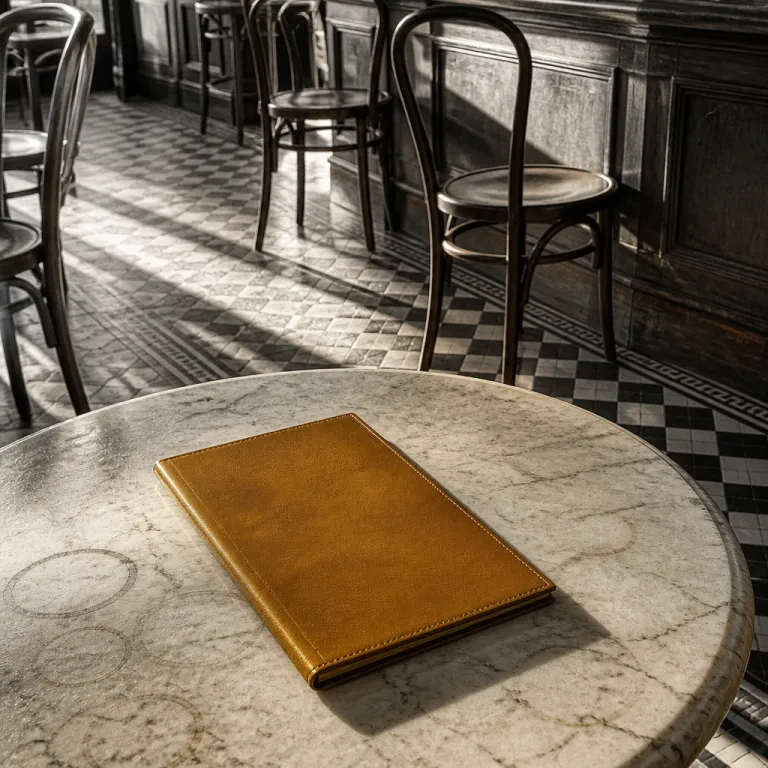
Cafés Notables Buenos Aires Guide for Luxury & Solo Travelers
Why cafés notables matter more than any museum ticket
Walk into your first historic café in Buenos Aires and the city finally slows. In this Cafés Notables Buenos Aires guide, the focus is not only on coffee but on how these rooms shaped politics, poetry and everyday life in Argentina. For a solo traveler choosing a luxury hotel, understanding this café culture helps you pick a neighborhood where the most characterful cafés sit within a ten minute stroll.
The designation of Bares Notables is official, granted by the city government to any bar or café with architectural, historical or cultural significance. These institutions are not themed sets; they are working living rooms where locals still argue about football, read the paper and stretch a single espresso for an hour. When you plan travel around them, the city opens up in layers that no quick post shared on social media can really capture.
Think of this as your Buenos Aires café guide to the most atmospheric rooms in the city, written for guests booking premium stays who want more than a good lobby bar. A well chosen neighborhood café near your hotel becomes your office, your reading room and your first Spanish classroom, especially if you order medialunas every morning and watch how regulars greet the staff. By the time you leave, you will have a mental map of historic cafés that matters as much as any list of the best parrillas.

From las Violetas to Los Galgos: a curated route for solo travelers
Start this Cafés Notables Buenos Aires guide in Almagro at Las Violetas, a grand historic café at Avenida Rivadavia 3899 with stained glass, marble and waiters in crisp jackets. Open daily from mid-morning until late at night, it sits near the Castro Barros stop on Subte Line A, with coffee and pastry sets typically starting around 3–5 USD equivalent. Order strong coffee with a trio of medialunas and watch older local couples treat the pastry towers as a ritual, not a sugar rush, in a room that feels opulent yet relaxed and easy to reach from Recoleta or Palermo by a ten to fifteen minute taxi ride.
From there, take a short taxi or Subte Line A to Congreso and walk ten minutes to Los Galgos, a revived bar notable on Avenida Callao 501 that balances traditional wood paneling with a sharper contemporary menu. Here the coffee is good, but the real pleasure is sitting at the bar and listening to office workers and artists share the same counter, a reminder that Buenos Aires is a city where class lines blur over a simple café con leche. If you read this post while planning where to stay, look for hotels that place you between these two historic cafés so you can visit both before dinner without needing a long commute.
Solo travelers who like to plan can fold this route into a broader circuit of cultural hotspots and luxury stays. Our in depth overview of the refined pipeline to Buenos Aires luxury stays and cultural hotspots on stay in Buenos Aires shows how to pair five star properties with nearby cafés notables and other heritage bars. Use that as a structural post, then layer this café culture route on top, turning a standard city break into something that feels quietly local.
Palermo Soho and San Telmo: where cafe culture meets your hotel keycard
Many premium travelers base themselves in Palermo Soho, drawn by design forward hotels, leafy streets and a dense cluster of contemporary cafés. While most spots here are not official Bares Notables, they form a bridge between traditional café culture and the newer specialty coffee wave. That mix matters if you want a historic café one day and a flat white that would impress Melbourne the next.
Use this Cafés Notables Buenos Aires guide to balance mornings in older institutions with afternoons in Palermo’s lighter, more contemporary rooms. You might start with coffee in a historic bar near Congreso, then return to your Palermo Soho hotel for a siesta before heading to San Telmo for an evening cortado among cobblestones and antique shops. In San Telmo, reached easily via a short taxi from central hotels or the nearby Line C Subte, the rhythm is slower, the crowd more bohemian, and the sense of Buenos Aires as a port city still lingers in the tiled floors and high ceilings.
Architecture fans should read our feature on Buenos Aires contemporary architecture beyond the palaces, which explains how concrete curves and corrugated iron now sit beside Belle Époque facades. Many historic cafés occupy those older shells, while newer coffee bars experiment with raw materials and big windows. Choosing a hotel near both styles lets you step from polished lobby to patinated bar notable in under fifteen minutes on foot.

From El Ateneo to Café Los Angelitos: drinking history between chapters
Any serious Cafés Notables Buenos Aires guide must include El Ateneo Grand Splendid on Avenida Santa Fe 1860, often called one of the most beautiful bookshops in the world. The former theatre’s stage now holds a café, so you can sip coffee beneath frescoed ceilings while you read a newly bought novel. It is not technically one of the Bares Notables, yet it functions as a historic café in spirit, merging literature, architecture and everyday ritual.
For a more officially recognized stop, head to Café Los Angelitos on Avenida Rivadavia 2100, a historic café where tango history and café culture intertwine. The walls are lined with photographs of legends like Carlos Gardel, and while the evening tango show draws tourists, daytime belongs to locals who treat it as their neighborhood bar. Order coffee and medialunas at a quiet table, and you will see why this bar notable still anchors its corner of the city, with prices that remain accessible compared with hotel lounges.
Another name to note is Flor de Barracas, a lesser known member of the notables network in the southern part of Buenos Aires, close to the Lanús train line and several bus routes. Here, the pace is slower, the clientele more local, and the sense of Argentina’s working class history more tangible. If you post Instagram updates from these rooms, resist the urge to only show the ceiling; instead, try a view that captures the worn marble, the chipped wood and the way light falls on a half finished espresso.
How luxury hotels and cafés notables shape a smarter Buenos Aires stay
Choosing a premium hotel in Buenos Aires is easier when you think in terms of walking distance to at least one historic café. A Recoleta address near Los Galgos or a central property close to Café Los Angelitos gives you an instant anchor, a place where staff recognize you after two mornings and the bar feels like an extension of your room. That sense of continuity is one reason many seasoned travelers quietly rate these locations as the best in the city.
To turn that idea into a plan, start by picking two or three neighborhoods you want to explore, then mark the nearest cafés notables and Subte stations on a map before you book. Our Cafés Notables Buenos Aires guide works alongside our coverage of the Buenos Aires cultural corridor, where a new Autograph Collection hotel now sits within easy reach of several key bars and cafés. Staying there means you can move from gallery to historic café without ever needing a car, turning each day into a sequence of short, meaningful walks.
Think of each neighborhood café as a lens on Argentina rather than just a caffeine stop. In the morning, you might share a table with a law student revising notes; by late afternoon, the same bar notable hosts retirees debating politics over vermouth. When you leave Buenos Aires, the memories that stay are rarely of the room number but of the cafés where you learned how slowly this city likes to drink its history.
FAQ
What exactly is a café notable in Buenos Aires?
A café notable is an official designation granted by the Buenos Aires city government to a café or bar recognized for its historical, architectural or cultural importance. These historic cafés are protected as part of the city’s heritage, which helps preserve original interiors, signage and traditions. For travelers, they offer a structured way to experience authentic café culture rather than generic coffee chains.
Which cafés notables are easiest to visit from luxury hotels?
Guests staying in central or Recoleta properties can reach Los Galgos and Café Los Angelitos quickly by foot or a short taxi ride, often in under fifteen minutes. Travelers based in Palermo Soho often combine a taxi to Las Violetas or the downtown notables with walks to newer specialty cafés near their hotel. When booking, it is worth checking a map to see which historic café sits within a ten to fifteen minute radius of your chosen address.
How should a solo traveler use cafés notables during a short stay?
Solo guests can treat cafés notables as daily anchors, returning to the same historic café each morning for coffee and medialunas. This repetition builds a light connection with staff and regulars, making the city feel more intimate even during a brief trip. Between museum visits and neighborhood walks, dropping into a bar notable for an hour of reading offers a restorative pause.
Do cafés notables serve good coffee compared with specialty shops?
Most cafés notables serve solid, traditional Argentine coffee rather than third wave specialty brews. The focus is on atmosphere, history and ritual, so expectations should be calibrated accordingly. Travelers who want both can alternate between historic cafés for ambiance and newer Palermo or San Telmo spots for more experimental roasting and brewing.
Is it acceptable to work or read for a long time in a café notable?
Argentines often use cafés as extended living rooms, so lingering over a book or laptop is generally acceptable. Ordering periodically and avoiding peak lunch hours keeps the relationship respectful, especially in smaller historic cafés. Many solo travelers find that a quiet corner table in a bar notable becomes their preferred workspace in Buenos Aires.