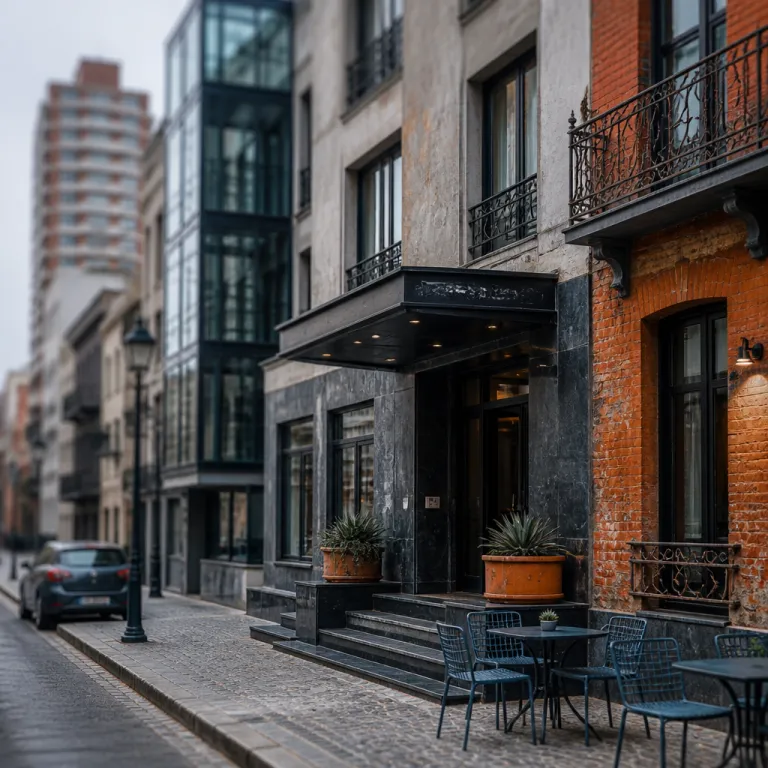
Buenos Aires districts and why Palermo leads for luxury stays
Buenos Aires districts form a mosaic of 48 official neighborhoods, each with a distinct rhythm and identity. According to the Buenos Aires City Government, these barrios are grouped for planning and services, so visitors experience reliable infrastructure even as atmospheres change dramatically from one area to the next. Understanding how these zones differ is the first step to choosing the best part of the city for a refined hotel stay.
Palermo is the largest neighborhood in the city by surface area, and it anchors many premium hotel choices for travelers who want style, gastronomy, and green spaces in one elegant package. Within Palermo, the subareas of Palermo Soho and Palermo Hollywood offer different moods, yet both sit close to major parks such as Parque Tres de Febrero and the tree-lined streets that define this part of Argentina. When you compare the districts travelers usually book, Palermo consistently ranks among the best neighborhoods for a longer stay because it balances nightlife, safety, and access to the city center.
Luxury guests often pair Palermo with time in Recoleta, San Telmo, Puerto Madero, and the historic core around San Nicolás to experience several contrasting Buenos Aires districts in a single trip. Recoleta is known for its grand avenues and the iconic Recoleta Cemetery, while San Telmo and its Plaza Dorrego bring antique markets and tango culture into focus. Puerto Madero, built along the docks of the Río de la Plata, offers a very different waterfront city experience, with contemporary towers and some of the highest nightly rates for five-star hotel options in South America, such as the Faena Hotel Buenos Aires or the Hilton Buenos Aires.
Choosing the right Palermo area for a luxury hotel stay
Within the wider Palermo neighborhood, three subdistricts matter most for premium travelers: Palermo Soho, Palermo Hollywood, and the calmer residential sections near the main park system. Palermo Soho is ideal for guests who want design-forward hotels, independent fashion, and lively cafés on every corner. Palermo Hollywood, just across the tracks, feels slightly more low-rise and relaxed, yet its streets hold some of the city’s best restaurants and cocktail bars.
For travelers comparing Buenos Aires districts, Palermo Soho usually suits visitors who enjoy walking and staying out late, while Palermo Hollywood works better for food-focused itineraries with quieter nights. Both areas sit close to the city center by taxi or rideshare, yet they feel distinctly local compared with the more formal avenues of Recoleta or the business-oriented towers of Puerto Madero. If you plan to stay in the city for several nights, consider splitting your time between a Palermo hotel and a second property in another neighborhood to experience two sides of the capital.
Luxury-focused readers often ask where to find refined elegance near Palermo without sacrificing access to the rest of Buenos Aires. A curated overview of luxury hotels near Palermo for a memorable stay helps narrow the field, especially when nightly rates fluctuate between high season and quieter months. When evaluating options, look at how each hotel connects you to nearby park areas, tree-lined avenues, and key transport routes, because these details shape your daily experience as much as room size or spa facilities.
Palermo Soho and Villa Crespo for creative city breaks
Palermo Soho has become one of the most talked-about Buenos Aires districts for travelers who value creativity, street art, and intimate dining rooms. Its streets are compact and walkable, with murals, concept stores, and wine bars filling former warehouses and townhouses. Many visitors use a detailed guide such as the insider’s map to Palermo Soho to navigate the maze of lanes and plazas.
Next door, Villa Crespo offers a quieter alternative within the same western stretch of the city, and it is increasingly relevant when discussing luxury and premium stays. While Villa Crespo has fewer large hotels than Palermo Soho, it attracts travelers who prefer discreet properties, lower nightly prices, and quick access to both Palermo Hollywood and the more central parts of the city that visitors tour by day. The area’s tree-lined streets and proximity to major avenues make it easy to reach San Nicolás, the Obelisco, and the traditional tango venues scattered across central Buenos Aires.
When comparing these two neighborhoods, Palermo Soho usually commands higher nightly rates, yet Villa Crespo can offer better value without sacrificing authenticity. Both neighborhoods sit within the broader Palermo and Villa Crespo corridor, giving guests fast access to the main park belt and the rest of the districts by Subte or taxi. For a longer stay in Buenos Aires, many seasoned travelers choose a first hotel in Palermo Soho for its energy, then shift to Villa Crespo for a calmer second phase of their trip.
From Recoleta to San Telmo: classic elegance and historic charm
Recoleta stands among the most prestigious Buenos Aires districts, known for its Parisian-style avenues, cultural institutions, and the famous Recoleta Cemetery. Luxury hotels here often occupy historic buildings with high ceilings and marble lobbies, placing guests within walking distance of museums, embassies, and refined cafés. The neighborhood’s wide, tree-lined boulevards and manicured green spaces appeal to travelers who value calm surroundings and easy access to the city center.
To the south, San Telmo offers a very different neighborhood experience, with cobbled streets, antique shops, and a strong tango heritage. Plaza Dorrego anchors the area, especially on Sundays when the market fills the streets and live tango performances animate the square. Many visitors pair a stay in Recoleta with evenings in San Telmo, using taxis to move between these parts of the city and enjoy both aristocratic architecture and bohemian nightlife.
When choosing between these two neighborhoods, consider how you like to move through a city and what kind of hotel atmosphere you prefer. Recoleta suits guests who want polished service, proximity to the Recoleta Cemetery, and quick connections to Palermo and the northern barrios. San Telmo, by contrast, works best for travelers who enjoy late-night tango shows, historic townhouses, and a more textured slice of Argentina’s capital.
Puerto Madero, San Nicolás, and the evolving city center
Puerto Madero represents one of the most modern Buenos Aires districts, built along renovated docks that now host glass towers, luxury residences, and high-end hotels. The waterfront promenade offers long, flat walks with views of the Puente de la Mujer and the preserved ships moored along the docks. For many business travelers, Puerto Madero provides the best balance between contemporary comfort, security, and proximity to both the Microcentro and the wider city.
Just inland, San Nicolás forms the traditional city center, home to the Obelisco, the Teatro Colón, and many corporate offices. Hotels in this area place guests at the heart of the action, with easy access to Subte lines that connect to Palermo, Recoleta, San Telmo, and other districts. However, the streets can feel busy and commercial, so some luxury travelers prefer to stay in calmer barrios and visit San Nicolás during the day for sightseeing and theatre performances.
When evaluating nightly rates across these central neighborhoods, expect Puerto Madero to sit at the top of the range, followed by Recoleta and select properties in Palermo. San Nicolás often offers more moderate prices, especially outside major events, yet it still delivers fast access to every neighborhood visitors might want to explore. For guests who value waterfront views and a polished urban environment, Puerto Madero remains a compelling choice within the broader map of Buenos Aires districts.
Residential gems: Villa Devoto and lesser known green spaces
Beyond the well-known Buenos Aires districts, residential areas such as Villa Devoto offer a different perspective on the city. Located in the northwest, Villa Devoto is characterized by low-rise houses, quiet, tree-lined streets, and generous green spaces that contrast with the denser core. While luxury hotels are limited here, some travelers choose serviced apartments or smaller properties to experience a more local side of Buenos Aires.
These residential neighborhoods sit under the same governance structure as the central barrios, with the Buenos Aires City Government and Comuna Councils coordinating services and urban planning. This decentralized model, introduced when the city was divided into 15 communes, helps maintain consistent infrastructure across all 48 neighborhoods. For visitors, that means reliable public transport links from Villa Devoto and similar areas back to Palermo, Recoleta, San Telmo, and the city center.
Travelers interested in architecture and heritage often combine time in these quieter districts with stays in historic mansions that have been converted into high-end hotels. A detailed feature on heritage architecture transformed into luxury accommodation shows how different parts of the city preserve their past while offering modern comfort. Choosing one of these properties in Palermo, Recoleta, or San Telmo allows you to enjoy both sophisticated interiors and easy access to parks, plazas, and the most atmospheric streets in Argentina’s capital city.
Key figures about Buenos Aires districts and governance
- Buenos Aires has 48 official neighborhoods, according to the Buenos Aires City Government, which means travelers can choose from a wide range of distinct urban atmospheres when planning a stay.
- The city is divided into 15 communes, each overseen by Comuna Councils, a structure designed to decentralize governance and bring decision making closer to local residents and businesses.
- Palermo is the largest neighborhood in Buenos Aires by area, making it a central reference point for hotel development, nightlife, and access to major park areas in the north of the city.
- Historic districts such as San Telmo and Recoleta have seen increased tourism in recent decades, while emerging neighborhoods like Villa Crespo and parts of Palermo continue to attract new urban development and hospitality projects.
FAQ about Buenos Aires districts and luxury stays
How many neighborhoods are in Buenos Aires and why does it matter for hotel bookings?
Buenos Aires has 48 official neighborhoods, and this diversity allows travelers to match their hotel choice to their preferred atmosphere, whether that means lively Palermo Soho, elegant Recoleta, or waterfront Puerto Madero. Understanding the layout of these districts helps you balance sightseeing, nightlife, and relaxation during your stay.
What is the largest neighborhood in Buenos Aires for planning a base?
Palermo is the largest neighborhood in Buenos Aires, and its size means it contains several subareas such as Palermo Soho and Palermo Hollywood, each with distinct hotel options. Many luxury travelers choose Palermo as a base because it combines parks, dining, and good transport connections to the rest of the city.
What are communes in Buenos Aires and do they affect visitors?
Communes are administrative divisions that group several neighborhoods together for local governance, with each commune managed by a Comuna Council. While visitors may not notice commune boundaries directly, this structure supports consistent services, infrastructure, and public transport across the city’s districts.
Which Buenos Aires districts are best for a first luxury stay?
For a first visit focused on premium hotels, Palermo, Recoleta, Puerto Madero, and parts of San Telmo usually work best. These neighborhoods offer a mix of high-end accommodation, cultural attractions, and safe, walkable streets, making it easy to experience both classic and contemporary sides of the city.
How can I move easily between different Buenos Aires districts?
The city has an extensive Subte network, buses, and widely available taxis and rideshare services that connect Palermo, Recoleta, San Telmo, Puerto Madero, San Nicolás, and residential areas like Villa Devoto. Using public transport or short taxi rides, you can comfortably explore multiple neighborhoods during a single stay in Buenos Aires without changing hotels too often.
