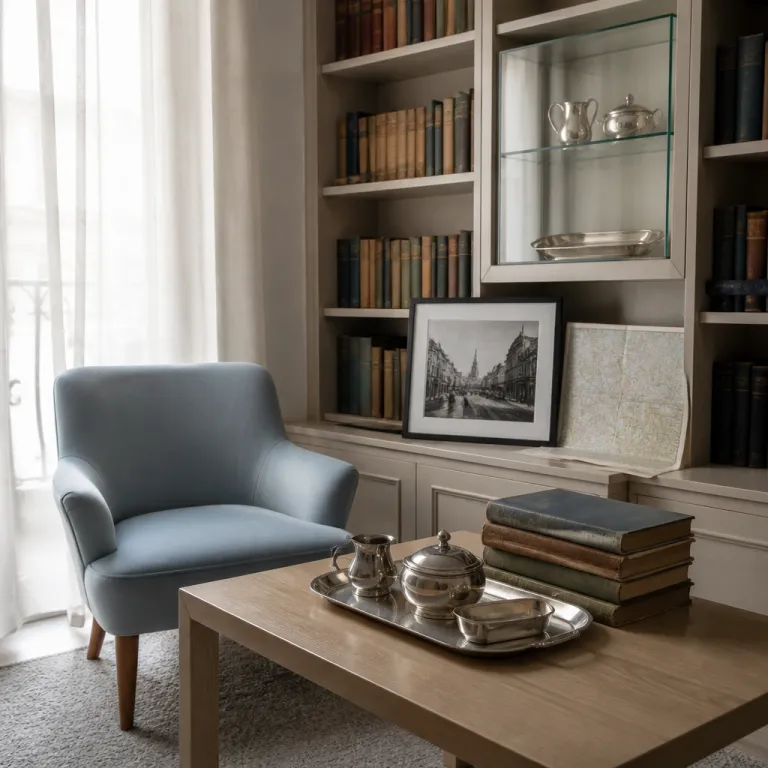
Why antiques Buenos Aires shopping belongs on a luxury itinerary
Antiques Buenos Aires shopping is not about trinkets; it is about provenance. In the dense fabric of Buenos Aires, in the Ciudad Autónoma, serious collectors quietly work their way between antique stores, rare book dealers, and private galleries that treat history as a living asset. For a traveler booking a premium hotel in central Buenos Aires, the city becomes a walkable catalogue of Argentine silver, mid century furniture, and first edition literature waiting to be found.
The capital of Argentina has a high concentration of antique shops spread across the wider Buenos Aires area, with San Telmo and Recoleta leading the field for depth and quality. This density means a day of browsing can be structured like a tasting menu: one morning for silver and gaucho knives, one afternoon for art objects and vintage clothing, another for rare books and design pieces. Luxury hotels in Buenos Aires increasingly understand this pattern and now pair guests with local guides who know which shop has the best antique silver, and which gallery is quietly holding museum grade pieces.
For the solo explorer, the appeal is clear and immediate. Instead of another generic mall shopping session, you move through the historic streets of the City of Buenos Aires, from Plaza Dorrego to Avenida de Mayo, following the trail of dealers who still operate on conversation and trust. The result is a kind of private curatorial project, where each antique, each vintage object, and each rare book you find carries the weight of the city’s layered past.
San Telmo beyond Sunday: reading the antique map of the barrio
San Telmo is the name everyone knows, but the serious work of antiques hunting in Buenos Aires here happens from Monday to Saturday. On Sunday, Plaza Dorrego and the surrounding streets turn into a vast flea market, and Defensa Street fills with performers, souvenir stands, and a few excellent antique shops trying to hold their ground. The key is to treat the fair as theatre, then return during the week when the dealers have time to talk, open drawers, and show you the pieces that never sit on the street.
Start at Plaza Dorrego early, before the crowds, and walk the length of Defensa Street in both directions, stepping into every store that looks even slightly serious. You will find long established businesses in small local arcades and townhouses, many of them specialising in French and Argentine silverware, estancia furniture, and decorative arts from the nineteenth and early twentieth centuries. This is where the hunt becomes granular: you compare hallmarks on a mate gourd, examine the patina on a mid century lamp, and ask about the provenance of a gaucho facón displayed behind glass. One San Telmo dealer summed it up simply: “If you don’t ask about the story, you’re only buying metal and wood.”
In the backstreets of San Telmo, away from the Plaza Dorrego noise, you will also encounter second hand warehouses, vintage clothing racks, and the occasional gallery that feels more like a private club than a store. These spaces reward patience and a willingness to browse slowly, because the best pieces are often hidden behind stacks of less interesting stock. For a refined city escape that balances culture with comfort, many travelers pair a San Telmo day with an evening in Recoleta or Palermo, using curated lists of elegant things to do in Buenos Aires to structure their time between barrios.
Plaza Dorrego, Defensa Street and the art of separating treasure from trinkets
On Sunday, Plaza Dorrego is the beating heart of the city’s antique scene, but not every stall deserves your attention. The square itself hosts long standing dealers in silver, art objects, and vintage pieces, while the surrounding streets attract more casual vendors selling second hand items and tourist friendly crafts. To navigate this mix, watch where the local collectors linger; they rarely waste time on mass produced pieces and instead move quickly toward tables with old Argentine silver, early photographs, or mid century design.
Defensa Street becomes a corridor of sound and colour, stretching from Plaza Dorrego toward the city centre, and it is here that the line between flea market and serious antique market blurs. Some shops open their doors wide and extend onto the pavement, turning their frontage into a curated extension of the store, while others keep their best stock inside, away from the crowds. When you see a small doorway with a few carefully chosen chairs or lamps outside, step in; this is often where you find the real pieces, not the decorative copies.
For travelers staying in luxury hotels in the central districts, a smart strategy is to visit the San Telmo flea market once for atmosphere, then return midweek for focused browsing with a shortlist of addresses. Many concierges now keep updated notes on which stores specialise in silver, which focus on art and sculpture, and which are better for second hand furniture or vintage clothing. If you are visiting during the cooler months, pairing a market morning with an afternoon drawn from a guide to Buenos Aires in winter and its cultural calendar creates a balanced day that feels both productive and indulgent.
Recoleta, rare books and the quiet power of first editions
While San Telmo handles much of the visible antiques trade in Buenos Aires, Recoleta and the surrounding barrios hold many of the city’s most important rare book dealers. Well known antiquarian bookstores in this area focus on Argentine and Hispanic literature, early printing, and historically significant works. These spaces operate at a different tempo from the flea market: you sit, you read, and you talk slowly about authors, print runs, and the condition of bindings.
El Ateneo Grand Splendid, the famous theatre turned bookstore on Avenida Santa Fe 1860, is often treated as a photo stop, but it deserves a more careful visit for anyone serious about collecting. Behind the stage and along the balconies, you can find sections dedicated to art, history, and limited editions, making it a useful starting point before moving on to more specialised antiquarian dealers along Avenida de Mayo. Nearby, galleries that bridge art, literature, and antiques often present curated selections of rare books alongside Argentine art and craft objects.
For collectors who value paper as much as silver or furniture, these spaces in the central Buenos Aires area offer a different kind of luxury, one rooted in time and text rather than shine. Many high end hotels can arrange private appointments with antiquarian booksellers, allowing you to browse outside normal hours and discuss export logistics for fragile volumes. One Recoleta bookseller likes to remind visitors, “You’re not just buying a book; you’re buying every hand that has turned these pages.” After a day spent among shelves and catalogues, you may want to reset with a spa session; this is where a guide to a wellness weekend in Buenos Aires spa hotels becomes unexpectedly relevant.
Mid century design, silverwork and where luxury hotels fit in
Beyond the historic core, the Palermo design district has become essential for anyone interested in mid century Argentine furniture and lighting. Many of the best stores here focus on Scandinavian influenced pieces from the nineteen fifties and sixties, which now command serious prices in European markets but remain relatively accessible in Buenos Aires. For antiques Buenos Aires shopping with a design focus, this area offers a clean contrast to the patinated chaos of San Telmo, with galleries presenting restored sideboards, armchairs, and lamps as if they were contemporary art.
In Recoleta, long established dealers offer a different angle, specialising in European art, silverware, and antique jewellery that often appeals to travelers staying in nearby luxury hotels. Here, the conversation turns to craftsmanship and heritage as you compare French and Argentine silver, examine enamel work, and weigh the merits of a nineteenth century piece against a mid century design object. Many hotels in the central city now maintain relationships with these dealers, allowing guests to arrange private viewings in their suites or in discreet back rooms of the store.
For collectors who prefer a more theatrical experience, certain venues in San Telmo combine antiques with a performing arts space, turning the act of browsing into a kind of cultural performance. This layered approach to art and objects reflects the broader character of Buenos Aires, where theatre, literature, and design intersect in everyday life. When planning your stay, ask your concierge not just for restaurant reservations but also for introductions to specific antique shops, mid century specialists, or gallery owners who match your interests.
How to buy, ship and outsmart customs when collecting in Buenos Aires
Practicalities can make or break antiques Buenos Aires shopping, especially when you are dealing with high value silver, fragile art, or rare books. In Argentina, antiques over one hundred years old may require export permits, particularly if they are considered part of the national heritage, so serious dealers are accustomed to handling the paperwork. Before you fall in love with a piece, ask directly about its age, provenance, and whether it has any restrictions on leaving the country.
Many antique stores in Buenos Aires work with trusted shippers who specialise in art and design objects, offering packing, insurance, and door to door delivery to the United States or Europe. Payment methods vary by store: some accept international cards, others prefer bank transfers or cash, so carrying a mix of options is wise when you plan a full day of browsing. Local advice often emphasises preparation: “Check store hours in advance. Bring cash; some stores may not accept cards. Learn basic Spanish phrases for better communication.”
From a value perspective, the combination of currency dynamics and local supply means that outstanding pieces in Buenos Aires can cost significantly less than equivalent items in London or Paris. This is particularly true for Argentine silver, gaucho related objects, and mid century furniture, where the city still functions as a primary market rather than a secondary one. To maximise this advantage, use tools such as local maps, online directories, and even Google searches filtered to the Ciudad Autónoma to build a personalised route that links San Telmo, Recoleta, Palermo, and the downtown rare book district into one coherent collecting journey.
Hidden names to know: from Breitman Antiques to Gil Antigüedades
Beyond the obvious addresses, a handful of specialist dealers shape the upper tier of antiques Buenos Aires shopping. Breitman Antiques, associated with the dealer Hugo Breitman and traditionally based in the Recoleta area, is known among insiders for carefully sourced Argentine and European pieces that often move directly from private homes to serious collections. When you hear locals mention Breitman Antiques in the same breath as the best dealers in the city, you know you are operating in a different league from the average flea market stall.
Gil Antigüedades, another respected name with a long standing presence on Defensa Street in San Telmo, focuses on high quality antiques and decorative arts, often with a strong emphasis on Argentine history. These dealers rarely rely on walk in traffic; instead, they cultivate long term relationships with collectors who appreciate discretion, provenance, and the quiet satisfaction of finding the right piece at the right moment. For travelers staying in top tier hotels in Buenos Aires, concierges can sometimes arrange introductions to Gil Antigüedades or Hugo Breitman’s circle, turning a casual interest in browsing into a more serious collecting experience.
Alongside these headline names, you will encounter smaller gallery spaces and second hand stores that specialise in narrow niches, from vintage clothing to specific periods of mid century design. Some focus on a single type of object, such as silver, while others mix art, furniture, and books in a way that reflects the eclectic character of the central districts. The key is to balance planned visits to known dealers like Breitman Antiques and Gil Antigüedades with open time to wander, because in Buenos Aires, the piece you remember most is often the one you did not expect to find.
Key figures behind Buenos Aires antiques and rare books
- The City of Buenos Aires hosts a dense cluster of antique shops, with San Telmo and Recoleta recognised as the main districts for serious collectors, according to local business directories and tourism sources.
- Numerous rare bookstores operate across the Ciudad Autónoma, creating an unusually rich ecosystem for first editions and antiquarian volumes compared with many other South American capitals.
- Prices for quality antique silver items in Buenos Aires are often lower than equivalent pieces in major European cities, according to market reports and dealer commentary.
- Shops are generally open Monday to Friday, with some opening on Saturdays, so planning antiques Buenos Aires shopping around these schedules is essential for access to the best dealers.
- Rising prices for rare books and increased interest in vintage items have been noted by local directories and market observers, reflecting a global shift toward collecting tangible cultural heritage.
FAQ: antiques Buenos Aires shopping for luxury travelers
What are the best areas in Buenos Aires for antique shopping?
San Telmo and Recoleta are recognised as the primary districts for antiques Buenos Aires shopping, each offering a different atmosphere and mix of dealers. San Telmo combines the famous Plaza Dorrego flea market and Defensa Street shops, while Recoleta focuses more on refined galleries and silver specialists. Many collectors base themselves in central or Recoleta hotels to stay close to both areas.
Are there guided tours for antique shopping in Buenos Aires?
Several tour operators and local guides offer specialised antiques Buenos Aires shopping itineraries that cover San Telmo, Recoleta, and selected rare bookshops. These tours are particularly useful if you have limited time or specific interests such as silver, mid century furniture, or first editions. High end hotels in the Ciudad Autónoma can usually arrange private versions tailored to your collecting goals.
Can I find English speaking staff in antique stores and rare bookstores?
Some antique shops and rare bookstores in Buenos Aires have English speaking staff, especially in areas popular with international visitors like San Telmo and Recoleta. However, it is not guaranteed, so learning a few basic Spanish phrases and bringing written details of what you want can be helpful. When language becomes a barrier, hotel concierges or local guides can bridge the gap during antiques Buenos Aires shopping.
Is it easy to ship antiques and rare books from Buenos Aires to the United States?
Most established antique stores and antiquarian booksellers in Buenos Aires work with specialised shippers who handle packing, insurance, and customs paperwork. Export permits may be required for antiques over one hundred years old or items considered culturally significant, so always ask the dealer about regulations before purchasing. With proper documentation, shipping from the City of Buenos Aires to the United States is straightforward, though it can take several weeks.
How should I prepare financially for a day of antiques Buenos Aires shopping?
Because payment methods vary by store, it is wise to carry a mix of cash and international credit cards when exploring antique shops and rare bookstores. Some dealers offer better prices for cash, while higher value purchases may require bank transfers, so clarify terms before committing to a piece. Checking store hours in advance and confirming accepted payment methods with your hotel concierge can prevent unpleasant surprises during your collecting days.
Trusted references for further research
- Local business directories of the Ciudad Autónoma de Buenos Aires for updated lists of antique shops and rare bookstores.
- Official tourism information from the City of Buenos Aires for guidance on cultural heritage regulations and export permits.
- Market reports from established Buenos Aires antique associations for pricing trends in silver, furniture, and rare books.