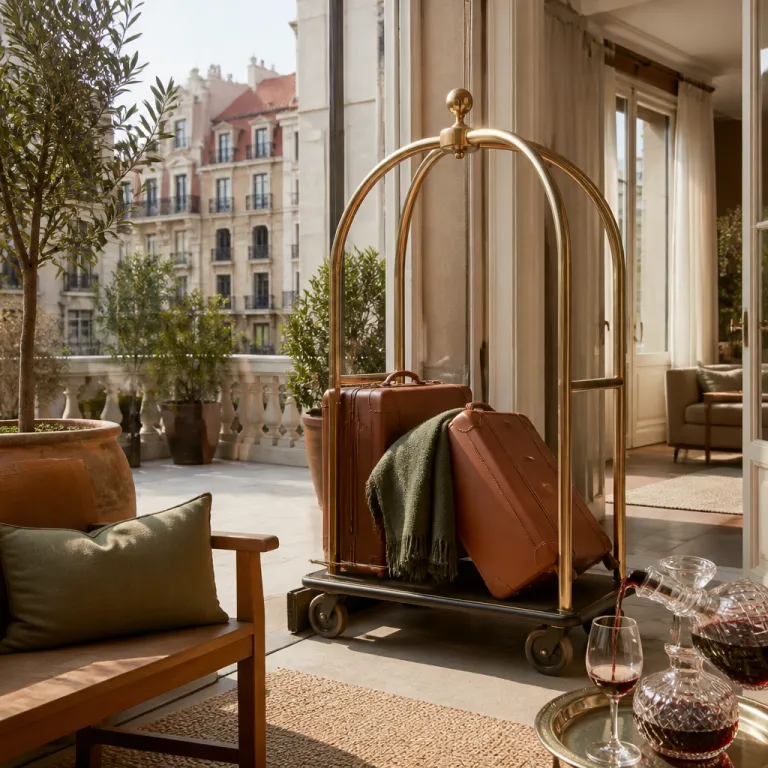
Iconic cultural places to visit in Buenos Aires from a luxury base
Among the essential places to visit in Buenos Aires, a few cultural landmarks shape every refined itinerary. Teatro Colón stands at the heart of the city with 2 487 seats and world famous acoustics, making it one of the best opera houses to pair with a premium stay nearby. When you book a luxury hotel in the city center, you gain precious time for a pre performance dinner and a late night walk along Avenida 9 de Julio to the Obelisco.
Guided tours of Teatro Colón run daily from 9 a.m. to 5 p.m., and they are among the best things for culture lovers who want to understand how Buenos Aires became a leading stage in South America. Many high end hotels arrange private tours with multilingual guides, so you can visit backstage areas and then return to your suite for a quiet drink while the city hums outside. When you read reviews about Buenos Aires hotels around Microcentro, pay attention to concierge comments about theatre transfers, as a short car ride can make your evening feel effortless.
Casa Rosada and Plaza Mayo form another axis of power and history in the city, and they belong on any list of must see attractions in Buenos Aires for first timers. You can tour Casa Rosada on weekends, then cross Plaza Mayo to admire the surrounding architecture before retreating to a nearby luxury property for a spa session. Many travelers say that combining these emblematic sites with a stay in a calm, premium neighborhood such as Recoleta or Palermo gives them the best balance between intense days and serene nights in Buenos Aires, Argentina.
Recoleta Cemetery and grand cafés for reflective city moments
Recoleta Cemetery covers 5.5 hectares and feels like a labyrinthine city of the dead, where ornate mausoleums tell the story of Buenos Aires over generations. This cemetery is one of the most atmospheric cultural sights in the capital, especially when you walk its quiet alleys in the late afternoon and then return to a nearby luxury hotel for sunset views over the city. Many premium properties in Recoleta offer private guided tours that explain why Recoleta Cemetery is known for its elaborate mausoleums and notable burials.
After a contemplative visit, you can continue your day with a stop at Café Tortoni, one of the oldest cafés in the city and a symbol of literary life in Buenos Aires, Argentina. Staying in the city center allows you to reach Café Tortoni on foot, enjoy a slow coffee, and then walk back to your hotel through streets lined with elegant façades and European inspired art. Some travelers consider Café Tortoni and Recoleta Cemetery together as the best things to see when they want to feel both the intellectual and emotional sides of Buenos Aires in a single day.
For winter stays, luxury hotels often curate cultural programs that combine these historic attractions with concerts and exhibitions; you can plan around a rich Buenos Aires winter cultural calendar. This is where expert concierges shine, suggesting the right time to visit Recoleta Cemetery, arranging priority seating at nearby museums, and booking tables at discreet restaurants that rarely appear in standard reviews about Buenos Aires. When you choose a premium property with a strong cultural focus, the city’s grand landmarks become part of a seamless narrative rather than isolated stops on a rushed tour.
San Telmo, tango nights, and hidden luxury in historic streets
San Telmo is one of the oldest neighborhoods in Buenos Aires, and it offers some of the most atmospheric streets for travelers who enjoy history with a bohemian edge. Cobblestone lanes, antique shops, and wrought iron balconies create a cinematic backdrop that feels far removed from the polished towers of Puerto Madero. Choosing a luxury hotel either in San Telmo or a short drive away in the city center lets you enjoy this character while returning to high comfort at the end of the day.
The San Telmo Market and the Sunday street fair are among the best things for visitors who want to find local crafts, vintage objects, and spontaneous tango dancers performing in the open air. Many private tours focus on San Telmo’s hidden courtyards and street art, revealing how Buenos Aires became a capital of Latin American creativity. When you read reviews about Buenos Aires stays, look for mentions of curated San Telmo tours, as these often include access to artists’ studios and intimate tango shows that standard group tours never reach.
Tango remains one of the defining art forms of Buenos Aires, Argentina, and San Telmo is a prime stage for it. Luxury concierges can arrange an evening where you start with a gourmet dinner, continue with a tango show featuring professional tango dancers, and finish with a chauffeured ride back to your hotel. This kind of tailored night turns San Telmo from a simple neighborhood visit into one of the unforgettable cultural experiences in the city, especially when combined with a late night drink in a quiet hotel bar overlooking the city lights.
La Boca, Caminito, and the passion of Boca Juniors
La Boca is another emblematic neighborhood in Buenos Aires, and it offers a very different energy from San Telmo while still ranking among the key districts to explore. The colorful houses of Caminito form an open air museum where street art, tango performances, and souvenir stalls compete for your attention. Many luxury travelers choose to visit La Boca on a private tour, allowing them to explore at their own pace and return comfortably to their hotel once the day crowds grow dense.
Football fans consider the stadium of Boca Juniors one of the best things to experience in Buenos Aires, Argentina, especially on match days when the neighborhood vibrates with chants and flags. Even if you do not attend a game, a guided tour of the stadium and its museum offers insight into how deeply sport shapes identity in this part of South America. When planning your stay, ask your hotel concierge to coordinate Boca Juniors tours with visits to Caminito, so you can enjoy both the artistic and sporting sides of the neighborhood in a single, well structured day.
Because La Boca is more hectic than central districts, many premium travelers prefer to sleep in calmer areas such as Recoleta, Palermo, or Puerto Madero and arrange chauffeured transfers for their La Boca visit. A taxi from Recoleta to La Boca typically takes around 25 minutes outside rush hour and costs roughly the price of a mid range restaurant starter, while traffic at peak times can double the journey. This approach lets you appreciate the intensity of the neighborhood and its street art while knowing that a serene spa, a quiet pool, and refined dining await back at your hotel. In curated reviews about Buenos Aires luxury stays, guests often highlight this balance between vivid daytime excursions and tranquil nights as a major reason to choose high end accommodation.
Palermo, street art, and green spaces near refined hotels
Palermo is one of the largest neighborhoods in Buenos Aires, and it offers a sophisticated mix of parks, gastronomy, and design that appeals strongly to luxury travelers. Many of the most stylish cultural hotspots in the city cluster here, from contemporary galleries to concept stores and acclaimed restaurants. Choosing a premium hotel in Palermo allows you to walk to many attractions while still enjoying quiet, tree lined streets at night.
Palermo’s parks, including the Bosques de Palermo with their lakes and rose gardens, provide generous green spaces where you can spend part of the day away from the dense city center. These areas are ideal for morning runs, relaxed picnics, or private photo sessions arranged by your hotel concierge, especially when the light softens in the late afternoon. Travelers often mention in reviews about Buenos Aires that staying in Palermo gives them the best combination of urban energy and restorative nature within a few minutes’ walk.
Street art has transformed several corners of Palermo into open air galleries, and specialized tours help you find murals that you might otherwise miss. Many luxury hotels collaborate with local guides to offer private street art tours that end with a tasting menu at a nearby restaurant, turning a simple walk into a curated cultural experience. For travelers comparing different neighborhoods in Buenos Aires, Palermo stands out as an area where art, gastronomy, and high end hospitality intersect in a very organic way.
Literary elegance at El Ateneo Grand Splendid
El Ateneo Grand Splendid, often simply called Grand Splendid, is one of the most beautiful bookstores in the world and a highlight among cultural places to visit in Buenos Aires. Housed in a former theatre, it preserves ornate balconies and a painted dome, creating a setting where books and architecture share the stage. Many luxury travelers schedule a quiet hour here between museum visits and evening plans, using the café on the former stage as a refined pause in the middle of the day.
Staying in Recoleta or the nearby city center makes it easy to reach Grand Splendid on foot or with a short taxi ride, which is especially convenient if you are carrying art books or design objects back to your hotel. Concierges often recommend pairing a visit to Grand Splendid with nearby galleries or with a stop at Café Tortoni later in the afternoon, creating a literary themed route through Buenos Aires, Argentina. When you read curated reviews about Buenos Aires luxury stays, you will often see Grand Splendid mentioned as a favorite indoor activity for rainy days or cooler seasons.
For travelers who value calm, elegant spaces as much as traditional sightseeing, Grand Splendid can feel like one of the best things in the city, even compared with more famous monuments. It also illustrates how many cultural attractions in Buenos Aires combine depth with everyday life, since locals browse the shelves alongside visitors. Choosing a hotel whose staff understands this quieter side of the city ensures that your itinerary balances headline attractions with intimate, book filled corners.
Puerto Madero and the riverfront: contemporary luxury and hidden calm
Puerto Madero represents the most contemporary face of Buenos Aires, with glass towers, renovated docks, and a waterfront promenade that attracts both locals and visitors. Many of the most exclusive places to visit in Buenos Aires for dining and nightlife are located here, often with panoramic views over the Río de la Plata. Choosing a luxury hotel in or near Puerto Madero gives you immediate access to this modern landscape while keeping you close to the historic city center.
The neighborhood’s wide walkways and bridges make it ideal for evening strolls, especially after a day spent exploring denser areas such as San Telmo or La Boca. High end hotels in Puerto Madero often feature floor to ceiling windows, rooftop pools, and spas that overlook the water, turning the river itself into part of the experience. Many travelers mention in reviews about Buenos Aires that waking up to this open horizon feels like a welcome contrast to the compact streets of older neighborhoods.
If you are curious about the riverfront beyond the immediate docks, consider reading a detailed guide to the River Plate side of Buenos Aires and Puerto Madero before you book. This will help you find quieter corners, such as sections of the Costanera, where you can watch the water and the city skyline in relative calm. For many luxury travelers, these serene spots become unexpected favorite places to visit in Buenos Aires, especially when combined with a return to a nearby hotel suite for a private dinner with river views.
Balancing Puerto Madero with historic city center stays
Some travelers choose to split their time between Puerto Madero and more traditional neighborhoods, using different hotels to experience distinct faces of Buenos Aires, Argentina. A few nights in a riverfront property followed by a stay near Plaza Mayo or Recoleta Cemetery can create a layered understanding of the city. This strategy also allows you to adjust your daily routes, visiting certain attractions on foot from one base and others via short transfers from another.
When comparing reviews about Buenos Aires hotels, pay attention to how guests describe access to key sites such as Casa Rosada, Teatro Colón, and the main museums. Properties that offer easy walking routes to these landmarks often make it simpler to structure your day, especially if you prefer to avoid long taxi rides in heavy traffic. For travelers who value efficiency, this can be one of the best things about staying near the city center rather than exclusively in Puerto Madero.
At the same time, Puerto Madero’s calm nights and waterfront restaurants remain a strong draw, particularly for couples and business travelers who want a polished environment. Many guests end up considering both areas as complementary places to visit in Buenos Aires, returning to the riverfront for dinners even when they sleep elsewhere. Choosing flexible, cancellable rates on a premium booking platform gives you room to adjust your plan once you feel how each neighborhood suits your rhythm.
Designing a luxury hotel base around key city landmarks
Planning where to stay in Buenos Aires, Argentina, becomes easier when you map your preferred cultural highlights against the main neighborhoods. If your priorities include beaches or coastal escapes beyond the city, you might combine a few nights in Buenos Aires with time on the Atlantic coast, using a specialized guide to where to stay for Buenos Aires beaches and luxury hotels. Within the city itself, most luxury travelers choose between Recoleta, Palermo, Puerto Madero, San Telmo, and the central districts around Plaza Mayo and Teatro Colón.
Recoleta suits travelers who want to be close to Recoleta Cemetery, Grand Splendid, and several major museums, while still enjoying quiet, tree lined streets and refined cafés. Palermo appeals to those who prioritize gastronomy, nightlife, and street art, with many of the best things for younger visitors concentrated there. Puerto Madero and the city center, by contrast, work well for business travelers and first timers who want quick access to Casa Rosada, Plaza Mayo, and the main financial and governmental institutions.
When reading reviews about Buenos Aires hotels, focus on comments about noise levels, walking distances, and concierge services rather than only on room photos. A knowledgeable concierge can transform your list of places to visit in Buenos Aires into a coherent itinerary, arranging private tours, restaurant reservations, and transfers that match your pace. This is especially valuable in a large city like Buenos Aires, Argentina, where traffic and distances can otherwise eat into your limited time.
Using tours to structure your days without losing flexibility
Guided tours can be an efficient way to connect several neighborhoods in Buenos Aires in a single day, especially if you are short on time. Many luxury travelers opt for private tours that include San Telmo, La Boca, and the city center, allowing them to adjust the route according to their interests. These tailored tours often start from your hotel lobby, which adds comfort and removes the need to find meeting points in unfamiliar streets.
Walking tours are particularly effective in compact areas such as San Telmo and the historic core around Plaza Mayo, Casa Rosada, and the Obelisco. In these districts, you can move between landmarks, cafés, and museums within minutes, making it easy to pause for photos or spontaneous tastings. High end hotels frequently collaborate with local tour operators who specialize in art, architecture, or gastronomy, ensuring that your tours feel more like curated experiences than generic sightseeing.
For travelers who prefer independence, mobile apps and interactive digital guides recommended by hotel staff can help you find less obvious places to visit in Buenos Aires without joining a group. This hybrid approach lets you book a few key tours for complex areas while exploring calmer neighborhoods such as Palermo at your own pace. As one official answer from the city tourism information notes, “Yes, daily from 9am to 5pm.” — a reminder that even iconic sites like Teatro Colón have clear visiting windows that you can build around.
Hidden cultural layers: museums, tango, and Latin American art
Beyond the headline attractions, some of the most rewarding places to visit in Buenos Aires are its museums and cultural centers, many of which focus on Latin American art. Institutions such as the Museo de Arte Latinoamericano de Buenos Aires (MALBA) and the Museo Nacional de Bellas Artes offer deep perspectives on regional creativity. Luxury hotels often maintain close relationships with these museums, securing timed entry tickets and suggesting the best time of day to avoid crowds.
For travelers interested in tango as both dance and social phenomenon, specialized museums and cultural spaces provide context that complements live shows. You can spend part of the day learning about tango’s origins in working class neighborhoods such as San Telmo and La Boca, then attend an evening performance with professional tango dancers in an elegant venue. Many guests mention in reviews about Buenos Aires that this combination of education and spectacle makes tango feel more meaningful than a simple tourist show.
Art lovers will also appreciate smaller galleries and artist run spaces scattered across Palermo, San Telmo, and the city center, where contemporary street art and fine art intersect. Private tours can help you find these hidden addresses, often located behind unmarked doors or on upper floors of historic buildings. When you weave these visits into your itinerary, the list of places to visit in Buenos Aires expands beyond monuments to include living, evolving spaces that reflect the city’s current creative energy.
Gastronomy as a lens on the city’s neighborhoods
Food is another powerful way to structure your exploration of Buenos Aires, Argentina, and to choose which places to visit in Buenos Aires on any given day. Traditional parrillas, contemporary tasting menus, and relaxed cafés each reveal different aspects of the city’s character. Luxury hotels with strong culinary teams can secure reservations at sought after restaurants and suggest pre or post dinner walks that highlight nearby landmarks.
In San Telmo, you might pair a visit to the market and surrounding antique shops with dinner in a restored mansion, followed by a short walk past tango dancers performing in the street. In Palermo, a day of gallery hopping and street art tours can end with a multi course meal that reinterprets Latin American flavors in a modern style. Near Recoleta Cemetery and Grand Splendid, elegant cafés and patisseries provide refined pauses between cultural visits, turning even simple coffee breaks into memorable moments.
By aligning your dining plans with your sightseeing, you ensure that each neighborhood visit feels coherent and satisfying rather than fragmented. This approach also helps you manage time efficiently in a large city, since you avoid unnecessary backtracking between distant districts. Over several days, your list of places to visit in Buenos Aires becomes a sequence of well paced experiences, each anchored by both a landmark and a table.
Key statistics for planning cultural stays in Buenos Aires
- Teatro Colón has a seating capacity of 2 487 seats, according to the official Teatro Colón website, which makes advance booking essential for high demand performances.
- Recoleta Cemetery covers 5.5 hectares, based on data from the Buenos Aires City Government, so visitors should allow at least two hours to explore its main alleys and mausoleums.
- Major attractions such as Teatro Colón, Casa Rosada, Recoleta Cemetery, Caminito, and the Obelisco are accessible year round, which allows luxury travelers to plan cultural itineraries in any season.
- Guided tours of Teatro Colón operate daily from 9 a.m. to 5 p.m., while Casa Rosada offers tours on weekends, so coordinating hotel check in and check out times around these windows can optimize short stays.
- The growing popularity of guided walking tours and historic sites in Buenos Aires reflects a broader increase in interest in cultural tourism across South America, encouraging premium hotels to expand concierge and tour services.
Frequently asked questions about luxury stays and cultural visits in Buenos Aires
Is Teatro Colón open for tours during the day ?
Yes, Teatro Colón is open for guided tours daily from 9 a.m. to 5 p.m., which allows you to visit the opera house even if you do not attend an evening performance. Many luxury hotels can arrange tickets and transfers so that you fit the tour comfortably between other city activities. It is wise to reserve in advance during peak travel periods, as group sizes are limited.
Can visitors tour Casa Rosada while staying nearby ?
Yes, you can visit Casa Rosada on organized tours that operate on weekends, and staying in the city center makes it easy to reach the palace on foot. Premium hotels near Plaza Mayo often provide updated information on tour schedules and security procedures. Combining Casa Rosada with a walk around Plaza Mayo and nearby museums creates a full historic morning or afternoon.
What makes Recoleta Cemetery a priority place to visit ?
Recoleta Cemetery is renowned for its elaborate mausoleums and notable burials, which turn it into an open air museum of architecture and memory. Its 5.5 hectare layout feels like a miniature city, with narrow alleys and family chapels that reward slow exploration. Luxury travelers often pair a guided visit with nearby cafés, galleries, and a return to a Recoleta hotel for a restful break.
How should I move between neighborhoods such as San Telmo, La Boca, and Palermo ?
For most visitors, a mix of private transfers, taxis, and guided tours works best, especially when moving between distant neighborhoods like La Boca and Palermo. Many high end hotels coordinate door to door services with trusted drivers, which adds comfort and security. Walking remains ideal within compact areas such as San Telmo and the historic core around Plaza Mayo and Casa Rosada.
Are walking tours a good option for luxury travelers ?
Yes, walking tours are an excellent way to experience dense historic areas, and many operators offer private versions tailored to specific interests such as architecture, street art, or gastronomy. Luxury hotels often collaborate with top guides, ensuring high quality commentary and flexible pacing. This format lets you access hidden courtyards, galleries, and cafés that vehicles cannot reach, enriching your list of places to visit in Buenos Aires.
