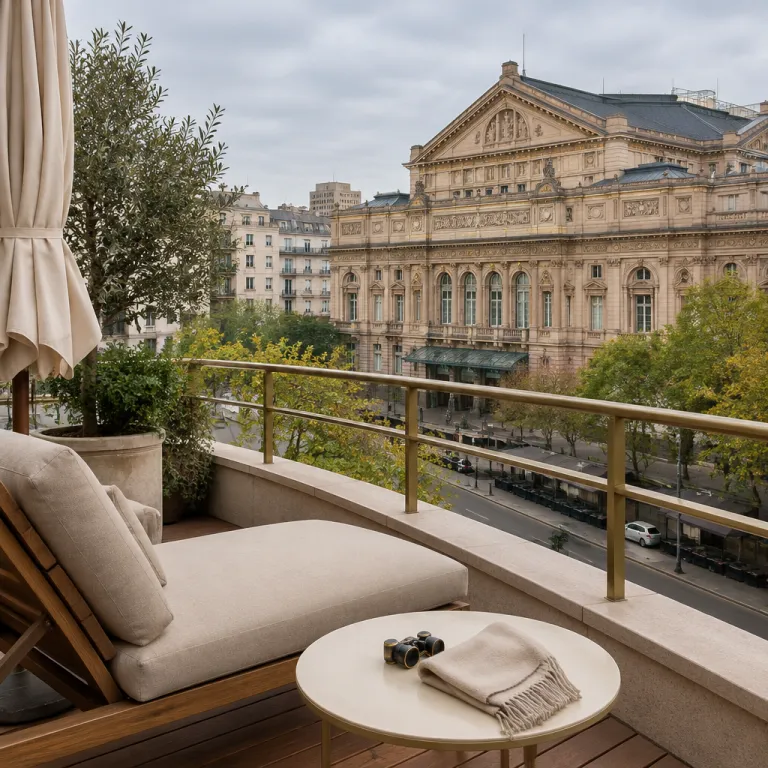
The Teatro Colón as the heartbeat of Buenos Aires music
The Teatro Colón is the hall every serious listener should experience at least once. This opera house stands at the edge of Plaza Lavalle, anchoring the theater district and shaping how porteños think about sound. For many travelers, an evening at the Teatro Colón becomes the spine of an entire Buenos Aires music itinerary.
Inside the main theater, the horseshoe hall, gilded balconies and steep tiers create legendary acoustics that rank among the finest anywhere. Singers, conductors and the resident orchestras talk about how a whisper on stage will carry to the very top row. When you plan your Buenos Aires stay, treat one opera, ballet or symphonic performance here as non negotiable.
This opera house is a national historic symbol and an officially protected historic monument in Argentina. The current building of the Teatro Colón in Buenos Aires opened in 1908 after years of delays, and that long gestation shows in the obsessive craftsmanship. Marble from Carrara, stained glass from Paris and woodwork by Argentine artisans combine to create a theater that feels both European and unmistakably porteño.
Guided visits run most days and will take you through the foyer, the grand staircase and the backstage workshops where artisans still work on costumes and sets. Even if you cannot attend a full opera or concert, the tour gives a precise sense of how the Teatro Colón’s music machine functions. Check the official Teatro Colón website shortly before you travel, because schedules, languages and access points change.
The main auditorium hosts opera, ballet and symphonic concerts under the direction of international and Argentine maestros. In recent seasons, the Orquesta Estable del Teatro Colón and the Orquesta Filarmónica de Buenos Aires have shared the calendar with visiting ensembles from Europe and the Americas, including guest conductors such as Daniel Barenboim and Zubin Mehta. When artists describe these acoustics as demanding, they mean that every detail of the performance is revealed.
Seats range from velvet armchairs in the platea to standing room at the very top of the theater. For the best balance of sound and sightlines, aim for the first balcony or the front rows of the stalls, which will let you feel the orchestra without losing the stage picture. Book through the official ticket office online or at the box office, and avoid resellers who inflate prices for visitors.
Planning your musical season: how the Colón and the city work together
Buenos Aires behaves like a city that plans its social life around what will be heard after dark. The Teatro Colón season usually weaves opera, ballet, symphonic concerts and chamber music into a dense calendar that rewards travelers who organize their hotel bookings around key dates. Think of a night at the Colón as one pillar, then build a wider listening itinerary in the surrounding barrios.
Opera lovers should look first at full stagings in the main theater, then at semi staged performances in smaller concert halls inside the complex. The Orquesta Estable del Teatro Colón and its chorus handle most large scale opera productions, while guest conductors bring their own direction and style. Ballet fans should track classics like Swan Lake alongside contemporary Argentine work, because the resident company moves comfortably between both worlds.
Symphonic listeners will find the Orquesta Filarmónica de Buenos Aires sharing the stage with visiting orchestras and chamber ensembles. Many programs pair European repertoire with Argentine composers such as Alberto Ginastera or Astor Piazzolla, which turns a single concert into a compact lesson in the country’s musical history. Always confirm exact works and soloists on the official website shortly before you fly, because programming can shift.
Beyond the main opera houses, Buenos Aires hides a network of smaller venues that extend the season. Historic churches near the theater district host organ recitals and chamber concerts, while palaces in Recoleta open their salons for string quartets. Business travelers who extend their stay often use these more flexible events to add culture after meetings, and guides aimed at what to do in Buenos Aires after the conference can be surprisingly useful for leisure visitors too, especially when they highlight late evening performances.
Because the Colón is a national historic icon, tickets for major opera and ballet titles sell quickly, especially in peak travel months. If you are set on a specific performance, secure seats as soon as sales open, then build your hotel and restaurant reservations around that anchor. For more spontaneous trips, focus on midweek concerts, chamber music and recitals, which usually have better last minute availability.
Remember that porteño audiences treat this theater as part of everyday life, not a rare luxury. You will see couples coming straight from work, families introducing teenagers to opera and older regulars who have held the same seats for twenty years. That mix of regulars and visitors gives performances a particular energy that many repeat guests describe as uniquely Buenos Aires.
Beyond the Colón: tango orchestras, jazz cellars and palace concerts
Once you have anchored your stay with Teatro Colón tickets, widen the lens to the rest of the city’s soundscape. Buenos Aires offers a dense network of tango orchestras, jazz clubs and chamber series that can turn any week into a personal festival. The key is to treat a grand night at the Colón as the centerpiece, then let smaller venues fill the gaps.
Tango in Buenos Aires is not just a stage show for visitors, but a living social dance culture with its own codes. You will hear full tango orchestra lineups in traditional milongas, where locals dance until late and the music feels closer to chamber theater than cabaret. Before you book, read a specialist guide that explains the difference between a tango class and a real milonga, because luxury travelers often misjudge which experience suits them.
Jazz fans should look to intimate basements and converted townhouses in barrios like Palermo and San Telmo. These rooms may lack the grand acoustics of the Colón, yet they compensate with proximity, improvisation and a direct line to the current Argentine scene. Many nights, you will hear musicians who also work in the orchestra pits of major theater productions, stretching out in small group settings.
Chamber music thrives in palaces and cultural centers across Recoleta, Retiro and the downtown core. Some of the most atmospheric concerts take place in salons with high ceilings and creaking parquet, where a string quartet plays just a few meters from your chair. These venues rarely have the profile of the big concert halls, but they are where you feel how deeply music runs through everyday life in Argentina.
Churches around the centro and in neighborhoods like San Telmo host organ recitals and choral performances, often with free entry or suggested donations. Arrive early, because the best seats for both sound and sightlines go quickly, especially when the program includes Argentine sacred music. In these spaces, the line between theater and ritual blurs in a way that feels very porteño.
If you want a quieter evening between major performances, consider heading north to the more residential barrios for a slower rhythm. Guides to quietly cool northern neighborhoods such as Colegiales and Chacarita often highlight small cultural centers and listening rooms where locals gather. These spaces will not rival the Teatro Colón in scale, but they round out a week that balances spectacle with intimacy.
Where to stay for a music led stay: from Retiro to Puerto Madero
For travelers who plan their Buenos Aires stay around performances, location matters as much as thread count. The Teatro Colón sits between the Microcentro and the elegant axis that runs through Retiro, Recoleta and Puerto Madero, so you will want a hotel that keeps you within a short taxi ride or comfortable walk. Think of your room as a backstage retreat between rehearsals, matinees and late night concerts.
Retiro and the adjoining Recoleta Retiro corridor work especially well for couples who value both culture and calm. From here, you can walk to the theater district in about fifteen to twenty minutes, passing embassy buildings, plazas and classic cafés along the way. Many luxury properties in this area offer concierge teams who understand the Colón’s schedule and can help with last minute arrangements.
Closer to the water, the Madero Recoleta axis links the renovated docks of Puerto Madero with the museum rich streets of Recoleta. Staying here gives you easy access to both the Teatro Colón and the riverside promenade, where you can decompress after a dense opera or symphonic program. High floor rooms in this zone often frame the city’s concert halls and theater roofs in their skyline views.
Couples who prefer a slightly grittier, more bohemian edge might base themselves in San Telmo. From a refined property on a quiet cobblestone street, you can reach the Colón by taxi in under fifteen minutes, then return to a neighborhood of antique shops, wine bars and late night tango. This split between grand opera houses and intimate tango theater gives your stay a satisfying narrative arc.
Wherever you stay, check how the hotel handles late returns, because performances in Buenos Aires often end after midnight. A property with twenty four hour room service, a competent bar and staff who know the difference between a concert and a theater ticket will make your nights smoother. When you book through a specialist platform focused on the city, look for notes about proximity to the Colón, access to taxis and walking times to the main cultural axis.
For travelers who combine business and leisure, properties near the financial district can work surprisingly well. You will be close to both meeting venues and the Teatro Colón, with quick access to post conference cultural options and late night dining. In this context, an evening of Buenos Aires classical music at the Colón becomes the reward at the end of a working day, rather than a separate excursion.
How porteños attend: timing, etiquette and pairing performances with dinner
Buenos Aires runs on a concert clock that feels shifted compared with North American cities. Opera and ballet at the Teatro Colón often start later in the evening, and post performance dinners are entirely normal. Plan your meals and transport with this rhythm in mind, and your nights will feel effortless rather than rushed.
For a major opera or ballet, aim to arrive at the theater at least thirty minutes before curtain. This gives you time to admire the foyer, find your door and settle into your seat without anxiety, especially if you are navigating the multi level layout for the first time. Ushers are used to visitors and will guide you to the correct entrance for your section.
Dress codes at the Colón are more relaxed than many first time visitors expect, but porteños still treat the space with respect. Smart casual works for most performances, while opening nights and gala events call for something closer to cocktail attire. You will see everything from elegant suits to understated dresses, yet almost never beachwear or overtly sporty clothing.
During the performance, audiences are attentive and generally quiet, with minimal phone use. Applause etiquette follows European opera house norms, with clapping after arias and at the end of acts, and standing ovations reserved for truly exceptional evenings. If you are unsure when to respond, follow the lead of the regulars in your section.
Pairing a performance with dinner requires a little strategy, because porteños eat late and restaurants near the theater fill quickly. Many couples opt for a light pre theater meal in Retiro San Martín or along Avenida Corrientes, then a more relaxed drink or dessert after the final curtain. Others reverse the order, enjoying a long early dinner in Recoleta before a later chamber concert or jazz set.
When you book restaurants, mention that you are attending a concert or theater performance, because staff will pace the meal accordingly. Some places near the Colón even offer fixed menus timed to curtain, which can be useful on nights when you want to focus on the orchestra rather than the clock. With a little planning, a Teatro Colón evening in Buenos Aires becomes the centerpiece of an itinerary that flows from hotel to table to theater and back again.
FAQ
How far in advance should I buy Teatro Colón tickets ?
For major opera and ballet titles at the Teatro Colón, buy tickets as soon as public sales open, because the best seats sell quickly. Symphonic concerts and chamber performances often have more flexibility, so you can sometimes secure good places closer to the date. Always purchase through the official website or the box office to avoid inflated reseller prices.
Which seats offer the best acoustics at the Teatro Colón ?
The first balcony and the front rows of the stalls generally offer the best balance between acoustics and sightlines. Boxes closer to the stage provide intimacy but can limit views of the full orchestra and chorus. Upper levels are more affordable and still benefit from the theater’s exceptional sound, though the angle to the stage is steeper.
Is there a dress code for performances at the Teatro Colón ?
There is no strict formal dress code, but audiences tend to dress smartly out of respect for the theater. Smart casual is appropriate for most performances, while gala nights and premieres call for more polished outfits. Avoid beachwear, sportswear and overly casual clothing, which will feel out of place in this national historic venue.
Where should I stay in Buenos Aires for easy access to the Colón ?
Retiro, Recoleta and the Microcentro offer the most convenient access to the Teatro Colón, often within a fifteen to twenty minute walk. Puerto Madero works well if you prefer a waterfront setting and do not mind short taxi rides to performances. San Telmo is slightly farther but attractive for travelers who want to combine grand opera with a strong tango and jazz scene.
Can I visit the Teatro Colón without attending a performance ?
Yes, the Teatro Colón offers guided tours that include the foyer, main hall and backstage areas, depending on the day’s schedule. These visits are ideal for travelers who cannot fit a full performance into their itinerary but still want to experience the building. Check the official website shortly before you go, because tour times and languages can change.