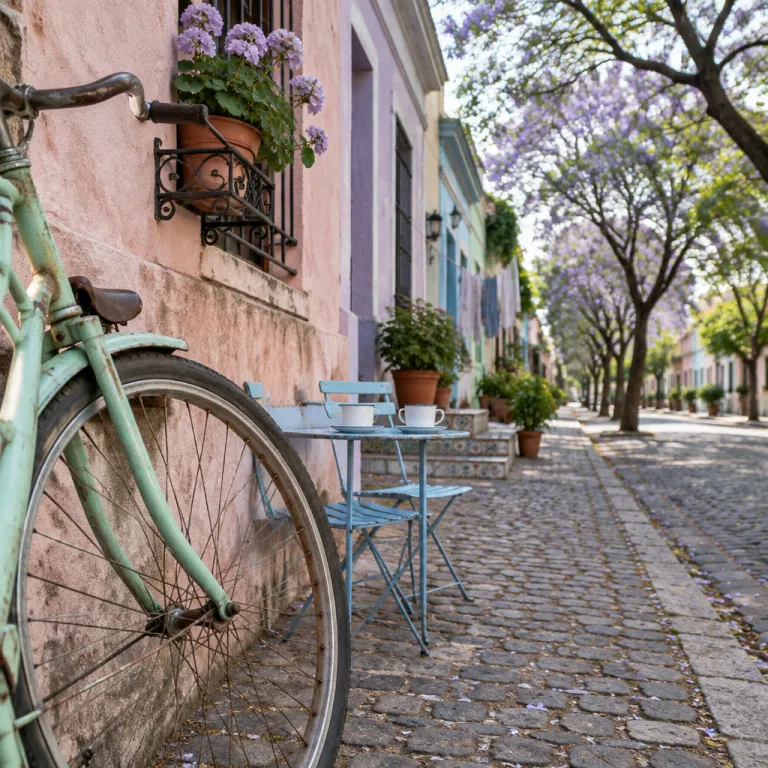
Why a chacarita colegiales buenos aires guide matters for luxury travelers
Buenos Aires keeps shifting, and this chacarita colegiales buenos aires guide follows where creative energy actually lives. North of the postcard center, these neighborhoods form a calm yet magnetic pocket that rewards travelers seeking texture over spectacle. For a luxury guest who has already walked San Telmo and Palermo, this area offers a quieter, more residential way to feel the city.
Colegiales is a low rise neighborhood where tree lined streets, design studios and discreet cafés sit beside family houses, and this mix gives the barrio a polished but lived in character. Chacarita, by contrast, grew around the vast Chacarita Cemetery and former industrial blocks, and its history is written in warehouses turned into studios, rehearsal spaces and pared back wine bars. Together these neighborhoods show how Buenos Aires reinvents itself without losing its Argentine soul, and they suit travelers seeking authenticity with comfort.
Luxury here is not about chandeliers but about staying in a residential neighborhood of Buenos Aires that lets you move like the residents, while still returning to high thread count sheets and strong Wi Fi. You can find serviced apartments and premium guesthouses that feel like private homes, which is ideal if you want space to read, work and linger between outings. This northern pocket also connects efficiently to Palermo and Belgrano, so you enjoy the calm of Colegiales streets while remaining minutes from the city’s classic highlights.
The character of chacarita and colegiales: from cemetery walls to leafy calm
Any serious neighborhood guide to Chacarita and Colegiales has to start with the cemetery walls. The Chacarita Cemetery stretches for blocks between Avenida Guzmán and Avenida Corrientes, a monumental city of the dead that anchors the barrio and shapes its rhythm. Walk along its perimeter and you feel how the area shifts from gritty corners to emerging creative pockets, with street art blooming on side streets and small workshops humming behind unmarked doors.
Chacarita’s history is inseparable from this cemetery, from tango legends like Carlos Gardel resting here to the way funeral routes once defined local commerce. Today, the Chacarita Cemetery still draws visitors interested in Argentine cultural history, but the surrounding streets have softened into a mix of studios, pared back bars and rehearsal spaces that attract a younger creative crowd. You will find more craft beer taps than tourist menus, and more residents walking dogs than guides waving flags, which is exactly what many independent travelers are seeking.
Cross the Mitre railway tracks or a few quiet avenues and the mood shifts into Colegiales, where a more residential grid takes over. Here, low apartment buildings, small houses and generous green spaces create a neighborhood that feels almost small town, yet you are still firmly in Buenos Aires. For a returning visitor planning a longer stay, Colegiales offers the comfort of a stable base, with supermarkets, a local market on Avenida Elcano and everyday services that make the area feel immediately usable as a temporary home, especially in the softer light of the season porteños quietly keep for themselves as described in this guide to Buenos Aires in spring on stay in buenos aires.
Where to stay: a northern base for understated luxury
Choosing a hotel in this chacarita colegiales buenos aires guide is about aligning comfort with the neighborhoods’ low key rhythm. You will not find grand palace hotels beside the Chacarita Cemetery walls, but you will find high quality serviced apartments and premium guesthouses that feel tailored to independent travelers. These stays often occupy renovated residential buildings, where thoughtful design, strong showers and good soundproofing matter more than marble lobbies.
In Colegiales, many properties sit on quiet, tree lined streets, giving you a residential address while keeping you close to Palermo and Belgrano for dining and nightlife. Options such as modern serviced apartments near Avenida Federico Lacroze and boutique units around Plaza Mafalda offer easy access to major avenues and public transport, so you can visit San Telmo for antiques or the traditional flea market and then retreat north to sleep. For travelers who value privacy, these apartments and small scale hotels often include kitchenettes, generous desks for those who need to read or work, and balconies overlooking green spaces or inner courtyards.
Chacarita’s accommodation scene is more compact but increasingly interesting, with a few design forward options tucked near the border with Palermo and the railway lines. Staying near the Federico Lacroze train station places you within walking distance of emerging bar clusters, street art corridors and the creative studios that give the area its edge. If you prefer a more established luxury base but want easy access to these northern neighborhoods, consider a refined property in nearby San Telmo such as the Hilton Curio collection reviewed in this article on refined comfort in San Telmo, then use this Chacarita and Colegiales overview alongside a broader guide to the top things to do in Buenos Aires on stay in buenos aires to structure your days.
How to spend a day on foot: markets, plazas and quiet corners
A well planned day in this chacarita colegiales buenos aires guide starts late morning, when the light softens and the streets feel unhurried. Begin near the Chacarita Cemetery, walking its perimeter to sense the scale and to understand how deeply this place is woven into Buenos Aires history. If you are interested in Argentina’s cultural fabric, a guided visit inside the cemetery reveals mausoleums, sculptures and the resting place of Carlos Gardel, whose presence still shapes local legend.
From there, drift toward the former industrial strips where street art covers brick walls and small cafés pour serious coffee to residents and visitors alike. You might pass a pared back bar focusing on natural wine, a space where craft beer is brewed on site, or a design studio that opens as a gallery on weekends, and these are the kinds of places that make the area compelling for travelers seeking more than postcard views. Continue north into Colegiales, where Parque Los Andes and other green spaces offer a pause, and where the streets feel safe, walkable and quietly elegant.
Afternoons are for markets and plazas, and this is where the neighborhoods shine. Around the border with Palermo, you will find the Mercado de las Pulgas area, a long established cluster where the Mercado de las Pulgas and surrounding warehouses host antique dealers, furniture restorers and a kind of informal real estate of objects, with pieces moving between San Telmo, Belgrano and these northern streets. Nearby, Plaza Mafalda offers a playful, literary themed square that residents cherish, and it makes a gentle stop before you read your way back to your hotel or head south for a more classic evening in Buenos Aires using a refined city guide from stay in buenos aires.
Hidden gems and who these barrios suit
The quiet power of this chacarita colegiales buenos aires guide lies in the small details that rarely make it into mainstream itineraries. On weekends, the area around Mercado de las Pulgas turns into a living catalogue of design, where you can find everything from mid century chairs to industrial lamps, and the atmosphere feels more like a working market than a staged flea market. A short walk away, local cafés and bars pour Argentine craft beer, natural wine and carefully roasted coffee to a mix of residents, students and visiting creatives.
Green pockets like Parque Los Andes and the smaller plazas scattered through Colegiales give you space to pause, read and watch neighborhood life unfold. In the late afternoon, you might sit near Plaza Mafalda and listen to conversations drift between talk of real estate, new restaurants in Palermo and the latest openings in San Telmo, which tells you exactly how these neighborhoods connect to the wider Buenos Aires map. For those seeking a deeper understanding of how Buenos Aires neighborhoods evolve, this area shows how a once peripheral zone, defined by a cemetery and railway lines, can become a test ground for new bars, studios and ways of living.
This northern pocket suits the solo explorer, the remote worker and the returning visitor who has already ticked off the main sights. If you value walking through residential streets, stopping at a low key bar where the staff greet local residents by name and tasting a flight from a place like Strange Brewing on Avenida Dorrego without fanfare, Colegiales and Chacarita will feel right. Use this Chacarita and Colegiales neighborhood guide to find your own rhythm between the cemetery walls, the markets, the green spaces and the quiet, confident energy of a Buenos Aires district that is shaping what comes next.
FAQ
Is Colegiales a good neighborhood to stay in for a first visit to Buenos Aires ?
Colegiales is excellent if you prefer a calm, residential base with easy access to Palermo and Belgrano rather than being in the busiest tourist core. You will find comfortable serviced apartments and small premium hotels, tree lined streets and everyday services that make longer stays easy. For a very first trip focused on classic sights, some travelers still choose central areas, then return to Colegiales on a second visit.
What makes Chacarita different from more famous barrios like Palermo or San Telmo ?
Chacarita grew around the Chacarita Cemetery and railway lines, so its history and urban fabric feel more industrial and less polished than Palermo. In recent years, creative studios, pared back bars and street art have transformed parts of the neighborhood, attracting residents and visitors seeking a more local atmosphere. Compared with San Telmo, you will see fewer tourists and more everyday Buenos Aires life.
Are Colegiales and Chacarita safe for solo travelers walking at night ?
Both neighborhoods are generally considered safe by Buenos Aires standards, especially on main avenues and around well lit bar and café clusters. As in any large city in Argentina, you should stay aware of your surroundings, avoid very quiet blocks late at night and use registered taxis or ride hailing apps for longer trips. Many solo travelers choose these barrios precisely because the residential streets feel lived in rather than purely commercial.
How do I get from Colegiales or Chacarita to other key areas of Buenos Aires ?
Colegiales and Chacarita sit between Palermo and Belgrano, with quick access to central Buenos Aires by Subte, train and buses. From most hotels or apartments you can reach San Telmo, the Microcentro or Recoleta within a short ride, while still returning to a quieter base. This connectivity makes the northern barrios ideal for travelers who want to explore widely but sleep in a calmer neighborhood.
What kind of nightlife can I expect in Colegiales and Chacarita ?
Nightlife here is more about intimate bars, craft beer taprooms and low key live music than about big clubs. You will find places where residents linger over wine, small plates and conversation, often in converted warehouses or corner properties. For louder nights, many travelers head to nearby Palermo, then return to Colegiales or Chacarita for a quieter end to the evening.