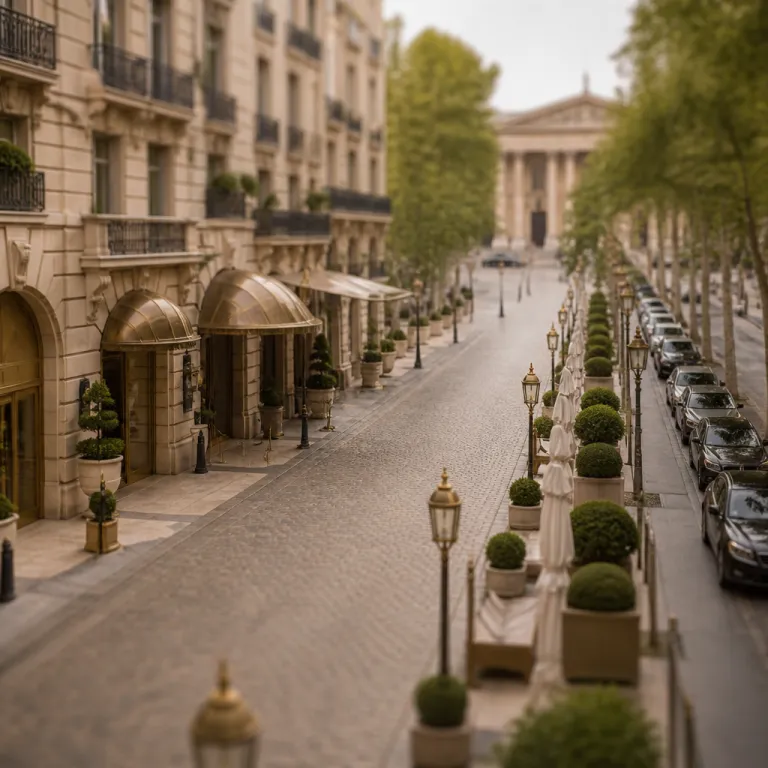
Tracing a refined pathway to Buenos Aires luxury stays
Buenos Aires rewards travelers who align their hotel choice with culture. A refined pathway to the city’s luxury hotels begins by mapping stays against its most compelling cultural hotspots. This approach turns a simple reservation into a curated base for galleries, theatres, and late night cafés.
In practical terms, a clear decision framework helps you compare neighborhoods, experiences, and hotel styles in a logical sequence. Think of this planning process as a series of steps that starts with your cultural priorities, then narrows options by walking distance, ambience, and service standards. When you treat your hotel search as a structured journey, you avoid glossy but poorly located properties that dilute your time.
Buenos Aires luxury and premium hotels cluster mainly in Recoleta, Palermo, Puerto Madero, and the Microcentro. Each area offers a distinct cultural personality, from Belle Époque mansions to converted docks and leafy avenues lined with design stores. Choosing among them is less about star ratings and more about how you want to feel when you step outside the lobby.
Recoleta: grand hotels beside museums and historic cafés
Recoleta is the city’s classic address for luxury hotels near major cultural landmarks. Many premium properties sit within a 10 minute walk of Recoleta Cemetery, the National Museum of Fine Arts, and elegant French style avenues. This compact radius makes it easy to combine gallery visits with slow lunches on shaded terraces.
Travelers who follow a personal decision checklist often place Recoleta at the top of their shortlist for art focused stays. The neighborhood’s hotels offer quick access to the Museo Nacional de Bellas Artes, which houses more than 12,000 works according to figures published by the museum. From there, your cultural route can extend to the nearby Centro Cultural Recoleta, where contemporary exhibitions and performances contrast with the area’s aristocratic architecture.
For a refined cultural stay in Buenos Aires, Recoleta also excels in everyday details. Side streets hide independent bookshops, design stores, and traditional cafés where porteños linger over medialunas and espresso. A senior concierge at one long established hotel notes that guests who schedule museum visits in the morning and café time in the late afternoon “feel the neighborhood’s rhythm instead of just ticking off sights.” To plan a broader program of museums and performances across the city, consult a dedicated guide to a refined cultural stay in Buenos Aires before finalizing your reservation.
Palermo: design forward hotels near contemporary culture
Palermo appeals to travelers who want luxury hotels immersed in contemporary culture and nightlife. The area is divided into smaller enclaves such as Palermo Soho and Palermo Hollywood, each with its own rhythm and creative scene. Streets are lined with independent fashion labels, concept stores, and restaurants that stay busy late into the night.
When you structure your hotel search around Palermo, prioritize walking distances to Plaza Serrano, Plaza Armenia, and the city’s main parks. These hubs connect you to weekend design fairs, outdoor art, and a dense concentration of cafés that double as informal co working spaces. A simple checklist helps: verify noise levels, check late night dining options, and confirm whether your preferred streets stay lively until early morning, since some blocks may not suit travelers seeking quiet suites.
Palermo’s cultural hotspots are less about formal institutions and more about lived creativity. Murals, small galleries, and experimental restaurants create a constantly shifting landscape that rewards repeat visits. Luxury and premium hotels here often feature rooftop terraces and courtyards, giving you calm spaces to retreat after exploring the neighborhood’s energy.
Microcentro and San Telmo: theatre, tango, and historic streets
Staying in the Microcentro places you close to the city’s grand theatres and historic avenues. Premium hotels near Avenida Corrientes and the Obelisk offer easy access to Teatro Colón, regularly ranked among the world’s leading opera houses by publications such as Travel + Leisure and international music magazines. From these addresses, you can walk to evening performances without relying on taxis or ride hailing apps.
A carefully designed cultural plan for culture lovers often pairs a Microcentro stay with time in San Telmo. San Telmo’s cobbled streets, antique markets, and traditional bars provide a different layer of Buenos Aires heritage, especially on Sundays when Plaza Dorrego fills with stalls and street performers. Integrating both districts into your cultural route lets you experience the contrast between the city’s institutional culture and its more bohemian side.
Tango is another key reason to consider this central axis for your hotel base. Many travelers debate whether to book a formal tango class or head straight to a milonga, the social dance hall where locals gather. For a nuanced perspective tailored to high end travelers, review this analysis of what luxury travelers get wrong about dancing in Buenos Aires before you finalize your evening plans.
Puerto Madero: waterfront luxury near modern cultural venues
Puerto Madero offers a different expression of Buenos Aires luxury, framed by renovated docks and sleek towers. Hotels here tend to feature expansive river views, contemporary interiors, and generous wellness facilities. The neighborhood’s wide promenades invite evening walks along the water, with the Puente de la Mujer providing a striking architectural focal point.
For travelers building a decision framework around comfort and modern design, Puerto Madero can be a compelling choice. While it sits slightly apart from traditional cultural districts, you remain a short drive from the Microcentro, San Telmo, and La Boca. This means your cultural route can balance quiet nights by the water with daytime excursions to theatres, museums, and colorful historic streets.
Puerto Madero also hosts several notable cultural and gastronomic venues. The nearby Faena Arts Center, when active, has presented ambitious contemporary art exhibitions in a converted industrial space. Along the docks, high end restaurants specialize in Argentine beef and seafood, giving you strong dining options within walking distance of your room.
Designing your cultural itinerary around your hotel
Choosing a luxury or premium hotel in Buenos Aires should always be linked to a clear cultural itinerary. Start by listing the experiences that matter most to you, whether opera at Teatro Colón, contemporary art in Palermo, or historic walks in San Telmo. Then match those priorities to neighborhoods where you can reach most activities on foot within 15 to 20 minutes.
At this stage, a structured planning checklist becomes a practical planning tool rather than a technical term. Use it to compare hotel locations, transit times, and opening hours, then layer in restaurant reservations and evening performances. When your cultural route is aligned with museum schedules and theatre calendars, you reduce friction and gain more unhurried time in cafés and parks.
To refine your program further, consult curated guides that focus on high end cultural experiences rather than generic sightseeing lists. A detailed overview of refined ways to experience the top things to do in Buenos Aires can help you prioritize limited days in the city. This approach ensures your hotel functions as a strategic base, not just a comfortable place to sleep.
How booking platforms can support culture focused stays
Not all hotel booking websites serve culture oriented travelers equally well. When evaluating platforms that specialize in luxury and premium hotels in Buenos Aires, look for detailed neighborhood descriptions and clear walking distances to major cultural hotspots. Maps that highlight theatres, museums, and parks alongside hotel locations are especially valuable.
A well designed decision flow within a booking interface might guide you from broad neighborhood selection to specific cultural interests, then to room categories and added services. Filters for proximity to landmarks such as Teatro Colón, Museo Nacional de Bellas Artes, or the MALBA museum help you align each step of this cultural route with your personal priorities. Transparent information about late check out, concierge services, and private transfers also supports smoother evenings at performances or extended dinners.
Experienced concierges remain a crucial asset for culture focused guests. They can secure last minute theatre tickets, arrange private gallery visits, or recommend less publicized events that match your interests. When a booking website highlights these human services clearly, it signals a commitment to travelers who value culture as much as comfort.
Key figures for luxury and cultural travel in Buenos Aires
- Teatro Colón regularly ranks among the top opera houses worldwide in surveys by international music publications and travel magazines, reflecting its strong draw for culture focused travelers.
- The Museo Nacional de Bellas Artes holds more than 12,000 works, according to figures published by the museum, giving Recoleta based guests access to one of Latin America’s most significant art collections within a short walk.
- Buenos Aires hosts hundreds of theatres across the city, with Avenida Corrientes alone concentrating dozens of venues, which makes central hotel locations particularly valuable for evening entertainment.
- Palermo’s main parks, including Parque Tres de Febrero, cover more than 300 hectares according to municipal data, offering ample green space for guests who want cultural visits balanced with outdoor time.
- Puerto Madero’s redevelopment has turned former docklands into one of the city’s most expensive real estate areas, which explains the concentration of high end hotels along its waterfront.
FAQ about luxury hotels and cultural hotspots in Buenos Aires
Which Buenos Aires neighborhood is best for luxury hotels near museums ?
Recoleta is generally the strongest choice for luxury hotels within walking distance of major museums. Many properties sit close to the Museo Nacional de Bellas Artes and Centro Cultural Recoleta, as well as smaller galleries and historic cafés. The area combines cultural access with quiet, elegant streets.
Where should I stay for easy access to tango and theatres ?
For tango shows and theatre performances, look to the Microcentro and nearby San Telmo. Hotels near Avenida Corrientes and the Obelisk place you close to Teatro Colón and numerous smaller venues. From there, San Telmo’s milongas and bars are a short taxi ride away.
Is Palermo suitable for luxury travelers who value culture ?
Palermo suits travelers who prefer contemporary culture, design, and nightlife over formal institutions. High end hotels here sit near independent galleries, fashion stores, and lively restaurants. Large parks nearby also provide a pleasant contrast to the dense urban core.
Does Puerto Madero work as a base for cultural sightseeing ?
Puerto Madero works well if you value waterfront views and modern hotels, and do not mind short transfers to historic districts. You will be a quick drive from the Microcentro, San Telmo, and La Boca, while enjoying quieter evenings by the river. It is a strong option for travelers who prioritize comfort and space.
How far in advance should I book a luxury hotel for major cultural events ?
For major festivals, opera premieres, or peak holiday periods, booking several months ahead is advisable. High demand dates can fill premium rooms quickly, especially near key venues like Teatro Colón. Early reservations also give you better choice of room categories and views.