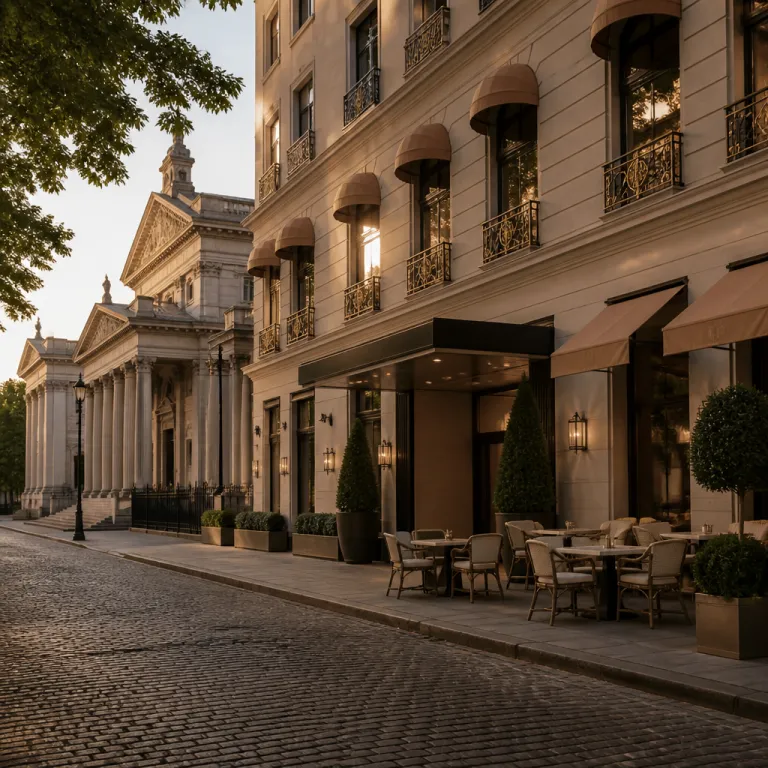
Shaping your refined pipeline to Buenos Aires luxury stays
Planning a high end stay in Buenos Aires works best when you treat your choices as a carefully curated pipeline of experiences. A refined planning framework for Buenos Aires luxury stays starts with aligning your preferred neighborhoods, cultural interests, and service expectations before you even compare room types. This approach turns a simple search into a structured itinerary that filters the city’s most elegant properties through your personal priorities.
Begin by mapping where you want to spend most of your time, because distance in a metropolitan area of roughly 15 million residents can quietly erode precious hours. Recoleta, Retiro, and Puerto Madero concentrate many luxury and premium hotels, yet each district offers a distinct rhythm, from tree lined avenues and historic cemeteries to glass fronted towers overlooking the Río de la Plata. When you frame your selection process around these micro locations, you reduce transfer times and increase the number of cultural hotspots you can enjoy on foot.
Next, refine your search by service profile rather than only by star rating, since two five star hotels can deliver very different guest journeys. Some properties emphasize discreet residential style stays with butler service and in room check in, while others focus on dramatic lobbies, destination restaurants, and social energy. A thoughtful decision making pipeline weighs these nuances, so the hotel’s personality supports your plans instead of competing with them.
Aligning hotel choices with tango, theater, and night culture
Buenos Aires lives at night, and your hotel decision should reflect how you want to experience that after dark energy. If tango is central to your trip, prioritize properties with easy access to San Telmo, Abasto, and central venues, then structure your stay around late check out options and flexible concierge support. This ensures you can attend a tango class, a live orchestra show, or a traditional milonga without worrying about early morning commitments.
For travelers curious about the nuances of tango culture, contrasting a formal lesson with an authentic neighborhood dance hall can be eye opening. A useful resource on this topic is the guide to how luxury travelers often misread tango experiences, which helps you brief your concierge more precisely. Integrating this knowledge into your planning lets you request reservations at venues that match your comfort level, from polished dinner shows to intimate spaces where locals dance until dawn.
Theater lovers should look toward hotels near Avenida Corrientes and the Teatro Colón, where evening performances can run late and post show cafés stay open past midnight. Choosing a property within a short walk or a brief taxi ride allows you to enjoy pre theater cocktails, unhurried curtain calls, and late suppers without logistical stress. When your schedule accounts for curtain times and transport, you gain more cultural depth with less fatigue.
Designing a cultural hotspots map from your hotel door
Once you have a shortlist of hotels, evaluate each one as a launchpad for cultural exploration rather than just a place to sleep. Buenos Aires offers dense clusters of museums, galleries, and historic cafés, and a well planned route connects these clusters into walkable circuits from your chosen address. This approach transforms your daily movements into a sequence of curated encounters with the city’s artistic and intellectual life.
From Recoleta, you can stroll roughly 600 meters to the Museo Nacional de Bellas Artes, continue 400 meters to the Recoleta Cemetery, and then walk another 300 meters to the Centro Cultural Recoleta, all within a compact radius of about 1 kilometer. In San Telmo, antique markets, independent galleries, and cobbled streets converge around Plaza Dorrego, rewarding guests who stay nearby with easy morning and evening visits. To structure a refined cultural stay, consult in depth guides such as this overview of what to see and do for a sophisticated cultural itinerary, then integrate those highlights into your day by day plan.
Do not overlook micro experiences that sit between headline attractions, because they often define how the city feels. Historic cafés like Café Tortoni, Librería El Ateneo Grand Splendid, and neighborhood wine bars can be woven into your walking routes as atmospheric pauses. When your cultural map includes these smaller stops, your days feel layered rather than rushed, and each return to the hotel becomes a graceful reset rather than a logistical chore.
Choosing the right barrio for art, food, and local life
Neighborhood choice is the single most powerful lever in shaping your Buenos Aires stay, especially for guests who value culture and gastronomy. Instead of asking only which hotel is most luxurious, frame your decision around which barrio best reflects the experiences you want at your doorstep. This mindset helps you balance comfort with authenticity, so you feel both indulged and genuinely connected to the city.
Palermo offers leafy streets, design forward restaurants, and a strong café culture, making it ideal for travelers who enjoy long lunches and gallery hopping. Recoleta leans more classical, with grand architecture, museums, and refined shopping avenues that suit guests who appreciate heritage and quiet elegance. For those drawn to culinary experimentation and a more residential feel, exploring a detailed guide to Villa Crespo, the barrio chefs and sommeliers favor, can redirect your hotel search toward emerging hotspots.
San Telmo and La Boca deliver intense character, street art, and weekend markets, though they may require more attention to transport and safety after dark. In these areas, many luxury travelers choose to stay in nearby central districts while visiting for specific experiences during the day. A flexible approach can therefore combine a calm, service rich base with targeted forays into more bohemian quarters, giving you the best of both worlds.
Reading between the lines of luxury hotel reviews
Online reviews can be invaluable when choosing a premium hotel, yet they require careful interpretation to support a refined travel strategy. Rather than focusing on overall scores alone, align your selection with detailed comments about noise levels, staff responsiveness, and the quality of concierge recommendations. These elements directly influence how smoothly you can access cultural hotspots and last minute reservations.
Pay special attention to how guests describe the handling of special requests, such as theater tickets, private museum tours, or restaurant bookings at peak times. When multiple reviewers praise a concierge team for securing hard to get tables or tailoring city walks, you gain evidence that the property can elevate your cultural agenda. In contrast, repeated complaints about slow responses or limited local knowledge suggest that even a visually impressive hotel might weaken your carefully built plans.
Room descriptions also deserve scrutiny, especially regarding soundproofing, bed quality, and blackout curtains, because Buenos Aires nightlife can be vibrant well past midnight. A quiet, comfortable room becomes essential if you plan early museum visits after late shows or dinners. Integrating these practical details into your booking criteria ensures that your cultural ambitions remain compatible with genuine rest and recovery.
Leveraging concierge expertise for tailored cultural access
In luxury and premium hotels, the concierge desk is not merely a convenience; it is a strategic asset for cultural travelers. Treat your first interaction as the next stage of your planning, sharing your interests in art, music, literature, and gastronomy with as much specificity as possible. This clarity allows the team to move beyond generic suggestions and craft reservations and routes that match your tastes.
Experienced concierges in Buenos Aires often maintain personal relationships with theater box offices, gallery owners, and restaurateurs, which can unlock access that online platforms cannot guarantee. When you arrive with a structured outline that already lists preferred neighborhoods and time windows, they can refine it with local intelligence about traffic patterns, exhibition openings, and seasonal events. The result is a schedule that feels both curated and flexible, with built in room for spontaneous detours.
For guests who value privacy and efficiency, consider requesting digital copies of proposed itineraries, complete with walking maps and confirmed bookings. This allows you to review and adjust your cultural program from your room, perhaps over a glass of Malbec, before committing to final times. By collaborating with the concierge in this way, you transform the hotel from a backdrop into an active partner in your cultural journey.
Balancing wellness, safety, and logistics in your stay
Luxury travel in a dense metropolis like Buenos Aires requires attention to wellness and safety, not only aesthetics. When building your trip, factor in how you will move between cultural hotspots, how late you plan to stay out, and how you prefer to unwind afterward. These considerations influence whether a rooftop pool, a quiet spa, or a 24 hour room service menu will matter more to you.
Many premium hotels in central districts offer secure, well lit entrances and reliable taxi or ride hailing coordination, which can be reassuring after late theater performances or tango nights. Ask in advance about the property’s approach to guest safety, including how staff assist with directions, vetted drivers, and neighborhood advice. Integrating this information into your choice of base helps you select a hotel that supports confident exploration rather than cautious retreat.
Wellness facilities also play a role in sustaining energy across several days of intensive cultural activity. A short session in a steam room, a few laps in a heated pool, or a quiet hour in a library lounge can reset your senses between museum visits and evening shows. When your stay balances stimulation with restoration, you leave Buenos Aires with vivid memories rather than simple exhaustion.
Key figures for Buenos Aires luxury travel and culture
- According to the Buenos Aires City Tourism Board, the city received around 2.9 million international visitors in 2019, the last full pre pandemic year with complete data, with a significant share choosing four and five star hotels (see turismo.buenosaires.gob.ar for updated figures).
- The Buenos Aires Ministry of Culture reports more than 150 museums and cultural centers across the city, meaning even a tightly planned four day itinerary can only sample a fraction of its artistic offerings (source: buenosaires.gob.ar/cultura).
- Average taxi rides between major central neighborhoods such as Recoleta, Palermo, and San Telmo typically range from 10 to 25 minutes depending on traffic, based on aggregated estimates from local transport surveys and ride hailing data published by the Buenos Aires City Government (see mobility reports at buenosaires.gob.ar/movilidad).
- Teatro Colón, one of the world’s leading opera houses, offers guided tours lasting around 50 minutes, which can be easily integrated into a morning or afternoon cultural circuit from nearby luxury properties (official information available at teatrocolon.org.ar).
- Many top restaurants in Palermo and Recoleta operate with peak dinner times starting after 21:00, so aligning your evening schedule with local dining hours is essential for securing prime reservations, as highlighted in dining statistics from the Buenos Aires City Tourism Observatory.
FAQ about luxury and premium hotel booking in Buenos Aires
Which neighborhood is best for a first luxury stay in Buenos Aires ?
For a first visit focused on culture and comfort, Recoleta and Retiro are strong choices, as they combine elegant hotels, major museums, and easy access to other districts. These areas offer walkable streets, classic architecture, and quick transfers to Palermo, San Telmo, and the city center. Many travelers structure their plans around a hotel in one of these neighborhoods as a stable base.
How far in advance should I book a premium hotel for cultural events ?
For peak cultural seasons and major festivals, booking a luxury or premium hotel at least two to three months ahead is advisable. This timing increases your chances of securing preferred room categories and flexible cancellation policies. It also gives you time to coordinate your stay with theater schedules, exhibitions, and restaurant openings.
Are luxury hotels in Buenos Aires well located for walking to attractions ?
Many high end properties in Recoleta, Microcentro, and Puerto Madero sit within walking distance of key attractions such as the Teatro Colón, Plaza de Mayo, and major museums. When evaluating options, check walking distances in meters or kilometers rather than relying on generic location claims. A precise plan uses these distances to design realistic daily routes.
Can hotel concierges arrange tango and theater experiences ?
Concierges in established luxury hotels routinely arrange tango shows, milonga visits, and theater tickets, often with access to preferred seating or trusted guides. Sharing your preferences clearly helps them avoid overly touristy options and match venues to your comfort level. Integrating their suggestions into your cultural calendar usually results in smoother, more authentic evenings.
Is it safe to return late to my hotel after cultural events ?
In central and upscale neighborhoods, returning late by registered taxi or reputable ride hailing services is common practice for theater and restaurant goers. Choose hotels with staffed entrances, clear security procedures, and teams willing to assist with transport arrangements. When safety considerations are built into your planning, you can enjoy Buenos Aires nightlife with greater peace of mind.