Why Buenos Aires is a serious leather city for discerning travelers
Buenos Aires is a leather city in the same way Mendoza is a wine capital. The culture of cattle ranching, or ganadería, underpins the quality of hides and the depth of craft that shape the best leather shopping experiences serious Buenos Aires ateliers can offer. For travelers booking luxury hotels, understanding this context turns a simple stop at a leather shop into a richer, more intentional experience.
In the capital, the finest leather products begin with carefully selected full grain hides, clean of scars and finished with subtle sheen rather than plastic gloss. When you handle jackets or bags in respected Buenos Aires workshops such as Casa López (Av. Alvear 1883, Recoleta) or Rossi & Caruso (Av. Alvear 1920), you should feel supple weight, tight stitching at around six to eight stitches per centimetre, and edges that are burnished rather than painted thickly. This level of artisanal detail is what separates a quick tourist purchase from a piece that will age beautifully over decades.
Many visitors arrive with a mental image of souvenir strips in the microcentro, but the real story of leather shopping in Buenos Aires unfolds in quieter streets and upper floor studios. Here, makers talk you through different leathers, from buttery calfskin to structured cowhide and velvety suede, often laying out sample products in usd price ranges that reflect hours of handwork. A simple belt might start around 70–90 usd, while hand stitched boots can easily reach 300–400 usd depending on design and leather. For couples staying in premium hotels, planning a dedicated half day for this kind of atelier visit is as essential as booking a parrilla table or a guided architecture walk.
Think of the city’s leather tradition as part of a broader hospitality ecosystem that values service and continuity. The same concierge who secures a last minute tasting menu can often recommend a trusted atelier where the owner will personally contact you if a fitting needs adjustment. In this world, a clear return policy, careful after sales care, and even options for free shipping to your home address are not extras; they are part of the promise that what you buy in Buenos Aires will travel with you for years.
Atelier versus tourist shop: how to tell where your money is going
Step into a tourist shop near the Obelisco and you will usually see rows of identical jackets in every size, all tagged with rounded usd prices and aggressive discount signs. The staff will push quick decisions, talk about free gifts, and rarely mention how to care for the leather beyond a vague suggestion to avoid rain. This is leather shopping in Buenos Aires at its most superficial, designed for volume rather than relationship.
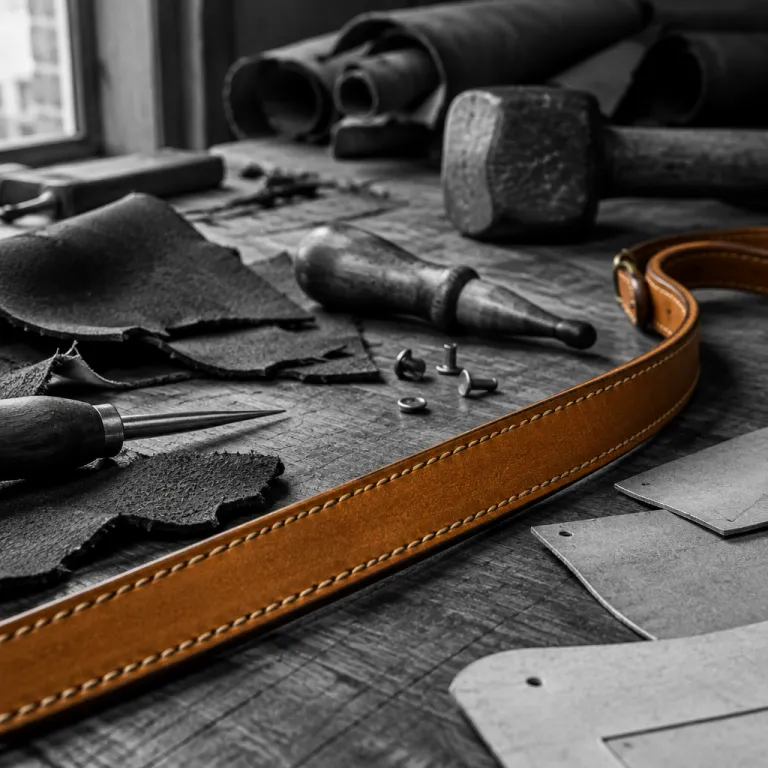
Walk a few blocks into a quieter street, or head to Palermo or Villa Crespo, and the atmosphere changes immediately. In a true atelier, you might see patterns pinned to walls, boots in mid construction, and a workbench dusted with suede shavings and metal tools. The maker will usually invite you to handle sample products, explain the difference between chrome tanned and vegetable tanned hides, and outline how a custom jacket or pair of shoes can be adjusted over one or two fittings.
Real workshops rarely feel like a duty free shop; they feel like studios where time moves differently. You may be offered a coffee while the artisan measures your shoulders, or asked about how you plan to wear the piece back home, whether with city boots or more relaxed sneakers. One Palermo maker summed it up simply: “We are not selling jackets; we are building something that should still look good in twenty years.” If you mention your hotel in Colegiales or Chacarita, you might even be pointed toward the quietly cool northern barrios, which you can later explore in more depth using this insider guide to Colegiales and Chacarita in Buenos Aires.
Another clear sign of an atelier is transparency about process, pricing, and policies. Expect written notes on delivery times, whether free shipping is available to the United States, and how a return policy works if a custom piece needs adjustment after you leave Buenos Aires. Serious makers will also give you printed care instructions for jackets, bags, and shoes, and they will encourage you to contact them directly by email or messaging if anything feels off once you are back in your own time zone.
Made to order culture: fittings, timelines and getting pieces home
Ordering a made to measure jacket or pair of boots in Buenos Aires is closer to commissioning a piece of furniture than buying a T shirt. The best ateliers will start with a conversation about how you live, how you travel, and what kind of climate awaits your new leather once it leaves the Río de la Plata. This is where couples on a romantic trip can turn a simple purchase into a shared memory, anchored in fittings and fabric choices rather than a rushed swipe of a card.
For a custom jacket, expect the first appointment to include detailed measurements, a choice between different leathers and linings, and a discussion of hardware from zips to snaps. Many ateliers will show you existing products in standard sizes so you can feel the weight and drape before committing to a bespoke pattern. Timelines vary, but a stay of five to seven days in Buenos Aires usually allows at least one fitting and final adjustments, while more complex boots or shoes might require a longer lead time or a second trip.
Shipping is a practical question you should raise early, especially if you are moving between several hotels or flying on to Patagonia. Some ateliers offer free shipping to major cities in the United States once your usd invoice passes a certain threshold, while others will charge a modest fee but handle all export paperwork. As a rough example, a mid range custom jacket might cost the equivalent of 450–650 usd, with tracked international shipping adding 40–80 usd depending on destination. Ask clearly how tracking works, what happens if a parcel is delayed, and whether the return policy covers minor fit issues that only become obvious after a few weeks of wear.
Hotel concierges at serious properties understand this rhythm and can help coordinate contact between you and the atelier if language becomes a barrier. If you are staying in Recoleta and planning to explore elegant local streets, this detailed review of elegant stays in Recoleta can anchor your search for a base near both cultural landmarks and refined leather workshops. After a day of fittings, you might follow the same pattern as many business travelers, who often extend their stay to explore the city’s creative side once the agenda ends, as described in this guide to Buenos Aires after the conference.
Where the workshops cluster: barrios beyond the obvious shopping strips
Palermo is the barrio most visitors associate with design, and it remains a strong starting point for leather shopping in Buenos Aires that balances style with substance. Around its tree lined streets, you will find small studios where jackets, bags, and suede boots share space with sketches and pattern books. These are not anonymous outlets; they are often family businesses where the person who takes your measurements also cuts the leather.
Villa Crespo, just to the south, offers a more industrial edge and often slightly better value for usd based budgets. Here, workshops sit above ground floor shops, and you may need to ring a bell or follow a narrow staircase to reach the main atelier. The reward is access to artisanal makers who focus on specific products, such as structured travel bags, minimalist shoes, or robust belts designed to last longer than a single fashion cycle.
The historic center still hosts leather shops, but the most interesting spaces tend to hide on upper floors or in courtyards away from the main tourist flow. Ask your hotel concierge to contact a trusted maker in advance, especially if you are short on time and want to see both ready to wear pieces and custom options in one visit. In many cases, the atelier will arrange flexible opening hours or even a private appointment, particularly for couples staying in premium hotels who signal serious intent rather than casual browsing.
Beyond jackets and boots, some of the most rewarding products in Buenos Aires ateliers are smaller goods that slip easily into carry on luggage. Think hand stitched wallets, compact crossbody bags, or suede lined cases for tech devices, often paired with traditional silver details inspired by gaucho culture. When you buy these pieces directly from an atelier, you are paying not just for the object but for the continuity of care, from clear cleaning instructions to the option of repairs if you return to Buenos Aires in the future.
Beyond jackets: bags, small goods, VAT refunds and practical hotel based tips
Limiting yourself to jackets when exploring leather shopping in Buenos Aires would be like only ordering steak in a city obsessed with pastry. The same workshops that cut sharp moto silhouettes often produce exceptional bags, from structured totes to soft weekenders that slide easily into an overhead bin. For couples who travel frequently, investing in coordinated pieces such as matching travel bags or complementary shoes can become part of a shared ritual each time you pack.
Pay attention to how bags are constructed, especially at stress points where handles meet the body and where zips anchor into suede or full grain panels. High quality artisanal products will show reinforced stitching, clean lining, and hardware that feels solid rather than hollow, even if the usd price sits below what you would expect in New York or Los Angeles. Ask the maker to explain how to care for each type of leather, including which creams to use, how often to condition, and whether any finishes require special treatment in humid or very dry climates.
From a practical standpoint, foreign visitors can often access a 21% VAT refund on eligible leather purchases made in registered shops, provided they complete the correct paperwork and export the goods unused. Before you pay, ask the atelier to clarify whether the transaction qualifies, how the refund process works at the airport, and whether your passport details are needed at the time of sale. In most cases you will need to show your passport, request a tax free form, keep the original receipts, and present both the unused products and stamped documents at the designated counter before boarding. Keep all receipts, and remember that policies can change, so it is wise to confirm current rules with your hotel or directly with official tourist information services in Buenos Aires.
Many serious ateliers now operate a small online shop alongside their physical studio, which can be useful if you want to reorder care products or complementary items once you are home. Some will extend free shipping or discounted rates for returning clients, especially if your previous purchases reached a certain usd threshold. When you leave, make sure you have a clear contact channel, written care instructions, and a copy of the return policy, so your Buenos Aires leather pieces remain part of your travel story rather than a one trip impulse buy.
Hidden leather gems near luxury hotels: weaving ateliers into your stay
Staying in a premium hotel in Buenos Aires gives you a strategic advantage for leather hunting, because concierges often maintain quiet lists of trusted ateliers. These are the places where staff send repeat guests, not the shops that hand out flyers on busy corners. If you are planning a romantic stay, ask early about leather workshops in Buenos Aires that match your style, whether you lean toward minimalist jackets or more expressive boots and bags.
In Recoleta and Retiro, many five star properties sit within a short taxi ride of serious leather workshops that do not advertise heavily. You might start a morning with coffee in a grand café, then slip into an atelier where the owner lays out different suede swatches and hardware options on a long wooden table. From there, you can head back to your hotel spa while the team begins work on your custom order, turning a practical purchase into part of a relaxed, luxurious day.
Palermo based hotels offer a different rhythm, with ateliers often within walking distance along leafy streets lined with galleries and wine bars. Here, you can try on jackets, shoes, and bags between long lunches and late dinners, returning for quick fittings as pieces take shape. If you are combining business and leisure, you can follow the pattern of many conference guests who extend their stay to explore creative neighborhoods once meetings end, using guides to where business travelers go after the agenda closes as a framework for planning.
Wherever you stay, treat each atelier visit as an experience rather than a transaction. Ask questions about how long the maker has been in Buenos Aires, what products they enjoy crafting most, and how they handle care and repairs over time. The answers will tell you as much about the city’s character as any museum, and they will help ensure that every usd you spend on leather here supports the kind of craftsmanship that makes Buenos Aires worth returning to, again and again.
FAQ
Is Buenos Aires really a good place to buy leather compared with other cities ?
Buenos Aires is one of the strongest leather cities in the world because Argentina’s long ranching tradition provides abundant high quality hides. Skilled artisans, competitive usd pricing, and a dense network of ateliers mean you can often buy jackets, bags, and shoes with better craftsmanship than similarly priced products in many North American or European cities. The key is to focus on workshops rather than tourist shops, and to prioritize construction details, stitching, and finishing over quick discounts.
How much time should I plan for a custom leather piece during my trip ?
For a made to measure jacket or pair of boots, plan at least five to seven days in Buenos Aires to allow for measurements, one fitting, and final adjustments. Simpler customizations, such as shortening sleeves or adjusting waistlines on existing products, can sometimes be done within forty eight hours if the atelier is not overloaded. If your stay is shorter, ask whether the maker can finish the work after you leave and arrange secure shipping to your home address.
Can I get my leather purchases shipped home, and is free shipping realistic ?
Many serious ateliers in Buenos Aires offer international shipping, and some extend free shipping to the United States once your usd total reaches a certain level. Always ask about tracking, insurance, and how the return policy works if a fit issue appears after delivery. Keep in mind that customs duties and taxes in your home country are separate from any Argentine VAT refund you may claim at the airport.
What should I look for to judge leather quality in an atelier ?
Start by feeling the leather; it should be supple but substantial, without a plastic like surface. Inspect stitching for consistency and density, check how edges are finished, and look inside bags or jackets to see whether linings and hardware feel robust. A good maker will happily explain how to care for each piece, which products to use, and how their construction choices affect durability over years of wear.
Do luxury hotels in Buenos Aires help guests find trustworthy leather workshops ?
High end hotels in Buenos Aires often maintain informal shortlists of trusted leather ateliers that have served guests reliably over many years. Concierges can usually arrange appointments, help with translation, and coordinate fittings around your sightseeing or dining plans. If leather shopping is a priority, mention it when you book, so the hotel can suggest properties and neighborhoods that place you close to serious workshops rather than only tourist oriented shops.