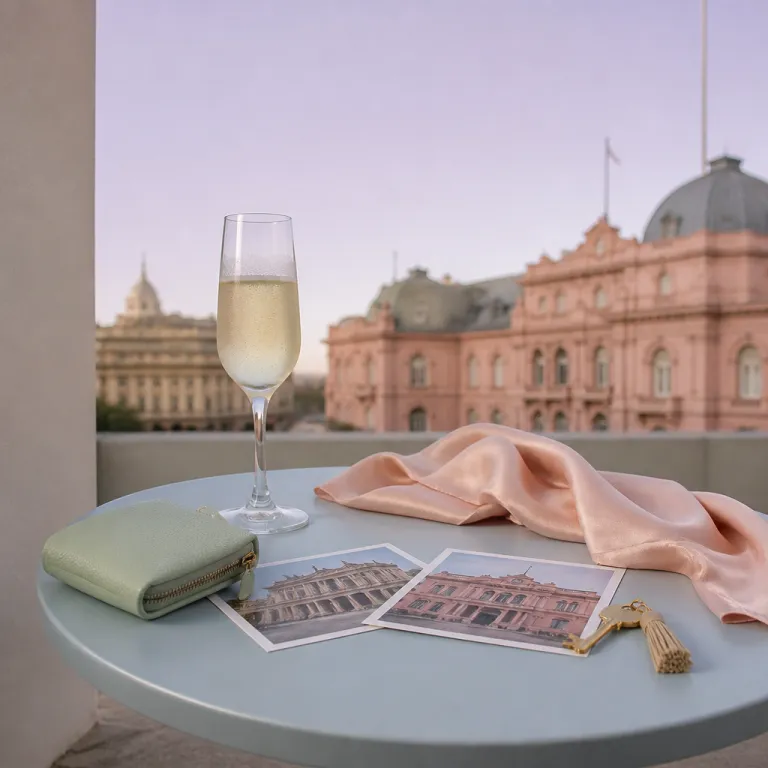
Top attractions in Buenos Aires for luxury travelers in search of culture
The top attractions in Buenos Aires sit at the crossroads of European elegance and Latin American energy. This is a city where grand opera houses, historic cafés, and refined neighborhoods shape every moment of your travel. For guests booking luxury and premium hotels, understanding how these highlights connect to each district helps you choose the right place to stay.
At the heart of cultural life stands Teatro Colón, one of the best opera houses in Argentina and widely regarded as a reference in South America. With 2 487 seats and world class acoustics, this landmark is essential for anyone who wants the best things from a cultured stay in Buenos Aires. Guided visits usually run from mid morning to late afternoon, and a pre booked tour lets you appreciate its architecture before returning to your hotel for a late dinner. Tickets are typically sold through the official Teatro Colón box office and authorized partners such as Ticketek, and concierges can often secure preferred time slots.
Nearby, the Obelisco rises 67.5 meters above Avenida 9 de Julio, anchoring the modern city skyline. Many premium hotels cluster within a short walking tour of this monument, making it easy to explore several major sights Buenos Aires offers in a single afternoon. From here you can visit the historic Plaza de Mayo, admire the Casa Rosada façade, then return along Corrientes Avenue for late night tango shows. A typical taxi ride between these points takes around 10 minutes and, as of 2024, usually costs the equivalent of 3 to 6 USD.
For travelers who want a cultured luxury stay, focus on the main axis that links Teatro Colón, the Obelisco, and Plaza de Mayo. These things Buenos Aires does so well – opera, history, and grand avenues – are all reachable by short taxi rides from the city’s most refined hotels. When you book a suite in this central corridor, you reduce transit time and maximize evenings at performances or gourmet restaurants. Many guests find that staying within a 10 block radius of Teatro Colón allows them to walk to at least one major cultural venue every day.
High end concierges often arrange private tour experiences that combine several cultural highlights in one curated route. A typical itinerary might start with a backstage Teatro Colón visit, continue with a walking tour around Plaza de Mayo, then finish with a reserved table at a classic café. One five star property on Avenida Alvear, for example, offers a “Colón & Corrientes” package that includes orchestra level tickets and a driver on call. This approach suits guests who want the best things in a limited stay and prefer not to manage logistics themselves.
When planning your travel, remember that the city welcomes visitors all year round. According to the Buenos Aires tourism office (checked 2024), Teatro Colón guided visits generally operate daily from 10am to 4pm, Recoleta Cemetery is open every day, Caminito remains accessible during daylight hours, and Plaza de Mayo is open to the public. Such reliable access makes it easier to align your schedule with spa appointments or fine dining reservations while still enjoying the top attractions Buenos Aires is known for. As a practical tip, many locals recommend starting indoor visits around midday and leaving outdoor walks for late afternoon when the light is softer.
Recoleta, Café Tortoni and literary landmarks for a refined Buenos Aires stay
For many luxury travelers, Recoleta is the most elegant district in Buenos Aires. This place combines French inspired architecture, tree lined streets, and some of the best hotels in the city for guests who value discretion and service. Choosing to book here positions you close to several cultural attractions Buenos Aires is famous for, from museums to historic cafés.
The iconic Recoleta Cemetery covers 5.5 hectares and functions as an open air museum of Argentina’s political and cultural history. Marble mausoleums, intricate sculptures, and quiet paths make it one of the best things to visit on a calm day, especially if you enjoy architecture and photography. Many premium hotels offer private guides who can lead a tailored tour through the most significant tombs in this landmark. A common expert tip is to arrive shortly after opening, when the light is gentle and the alleys are almost empty.
After a morning at Recoleta Cemetery, guests often continue their walking tour through nearby parks and museums. The area’s cafés and restaurants serve as refined pauses between key sights Buenos Aires offers, allowing you to balance culture with comfort. This rhythm suits travelers who want to explore deeply without sacrificing the relaxed pace of a luxury holiday. Many visitors enjoy ending the circuit with a glass of Malbec on a terrace overlooking Plaza Francia.
In the historic center, Café Tortoni stands as one of the most emblematic cafés in Latin America. Opened in the nineteenth century, this cafe has hosted writers, artists, and politicians, and it remains a key stop among the things Buenos Aires is proud to share with visitors. A reserved table here, arranged through your hotel concierge, turns a simple coffee into a cultural experience. Ordering a submarino (hot milk with a bar of chocolate to melt inside) is a small ritual many regulars recommend.
Literary travelers should not miss El Ateneo Grand Splendid, housed in a former theater and often cited among the world’s most beautiful bookstores. The restored balconies, stage, and frescoed ceiling make every visit feel theatrical, and many guests consider it one of the best things to see in the city. When you book accommodation nearby, you can return more than once to enjoy the café on the former stage and browse in peace. Even a brief stop to sit in the old theater boxes offers a memorable perspective on how Buenos Aires treats books as part of everyday life.
To plan a cultured, luxury minded stay around these highlights, consult a specialized guide to what to see in Buenos Aires for a cultured luxury stay. Such resources help you connect Recoleta Cemetery, Café Tortoni, and El Ateneo Grand Splendid into a coherent itinerary that matches your hotel location. They also suggest the best time of day to visit each place, which matters when you want quieter moments in these central attractions Buenos Aires showcases. As a rule of thumb, mornings are calmer in Recoleta, while late afternoons suit café hopping in the center.
San Telmo, La Boca and the soul of tango near the river
While Recoleta speaks of aristocratic Buenos Aires, San Telmo and La Boca reveal the city’s bohemian and immigrant roots. These neighborhoods are essential if you want to feel the emotional core of tango and understand why the city fascinates so many travelers. Choosing a luxury hotel with easy access to the south of the metropolis lets you enjoy these areas by day and return to calm surroundings at night.
San Telmo is one of the oldest districts in Argentina, known for cobbled street scenes, antique markets, and intimate tango venues. On Sundays, the main street fills with stalls and performers, turning the area into one of the liveliest cultural attractions Buenos Aires offers. A guided walking tour helps you navigate the crowds while still appreciating the architecture and hidden courtyards. Many guides recommend starting at Plaza Dorrego and moving slowly south, stopping for coffee in traditional bars with stained glass and wooden counters.
Further south, La Boca’s Caminito functions as an open air museum of color and movement. Here you will see tango dancers performing on the street, artists selling paintings, and visitors taking photos against bright façades that define many photo credit moments for things Buenos Aires is known for. While the area is more tourist oriented, it remains a key place to visit at least once. Staying within the marked tourist zone and visiting during daylight hours are simple safety practices most hotels recommend.
From a luxury perspective, many guests prefer to stay in nearby Puerto Madero, the renovated docklands district. This waterfront area offers some of the best premium hotels in the city, with skyline views and easy access to both San Telmo and La Boca. A short taxi ride of around 10 to 15 minutes connects your hotel to these southern highlights, allowing you to enjoy their energy without compromising on comfort. Drivers booked through hotel concierges can usually wait while you explore, which adds an extra layer of convenience.
Evenings in this part of Buenos Aires often revolve around dinner and performance. Many travelers combine a gourmet meal with a tango show, turning one day of travel into a complete cultural immersion in Latin America’s most emblematic dance. For a deeper understanding of local traditions, you can read a detailed account of how Buenos Aires celebrates Independence Day through a traveler’s eyes, which highlights how music and history intertwine in the city. One common suggestion is to choose smaller tango venues for a more intimate atmosphere, even if they are less widely advertised.
When planning your tour of San Telmo and La Boca, consider timing and safety. Visiting during daylight hours is generally recommended, and many luxury hotels can arrange private drivers or curated walking tour experiences. This approach lets you enjoy the best things these neighborhoods offer while maintaining the standards expected from premium travel in South America. Comfortable shoes and a light jacket are useful, as river breezes can make temperatures feel cooler than in the center.
Plaza de Mayo, Palacio Barolo and political heritage for cultured guests
For travelers interested in history and civic life, the area around Plaza de Mayo is non negotiable. This central square has witnessed many defining moments in Argentina’s story and remains one of the key cultural attractions Buenos Aires presents to curious visitors. Staying in a luxury hotel within a short drive of this place allows you to visit early, before the crowds and heat.
Plaza de Mayo is framed by the Casa Rosada, the Metropolitan Cathedral, and the Cabildo, each representing a different layer of the city’s past. A well structured walking tour here explains how these buildings relate to independence, democracy, and social movements in Latin America. Many premium concierges can arrange private guides who tailor the narrative to your interests, whether you focus on architecture, politics, or religious heritage. Some guides include short readings of historic speeches on site, which brings the square’s role in public life into sharper focus.
Not far away, Palacio Barolo offers another of the best things to visit for those who enjoy symbolism and skyline views. Inspired by Dante’s Divine Comedy, this early twentieth century tower divides its floors into sections representing hell, purgatory, and heaven, making it one of the most original things Buenos Aires has built. Evening tour options often include access to the lighthouse, where you can see the city lights and the distant river. Tickets are usually booked in advance through official tour operators, and sunset slots tend to sell out first.
Luxury travelers often combine Plaza de Mayo and Palacio Barolo in a single day, with a refined lunch in between. This schedule leaves time later to return to your hotel spa or to book an evening performance at Teatro Colón, reinforcing how interconnected the main attractions Buenos Aires offers can be. Such planning maximizes your limited time in the capital without feeling rushed. Many visitors find that limiting themselves to two major visits per day keeps the experience enjoyable.
Because this area is central to national identity, it often hosts commemorations and public events. Reading about how the city marks key dates, such as Independence Day, helps you understand why Plaza de Mayo remains emotionally charged for many residents of Argentina. When your travel dates coincide with such events, your hotel can advise on the best ways to observe them respectfully while still enjoying nearby historic sites. In some cases, streets may close temporarily, so allowing extra transfer time is wise.
From a practical standpoint, this district is well connected by public transport and taxis, which suits guests staying in premium properties across Buenos Aires. Whether you are based in Recoleta, Puerto Madero, or the central business area, reaching Plaza de Mayo rarely takes more than a 10 to 20 minute ride. This accessibility reinforces its status among the essential things Buenos Aires offers to first time and repeat visitors alike.
Day trips, Colonia del Sacramento and planning time beyond the city
While the city itself offers many top attractions Buenos Aires is famous for, luxury travelers often look beyond the urban core. Carefully chosen day trips add variety to your travel and highlight the region’s riverine geography within South America. One of the most popular options is a visit to Colonia del Sacramento across the Río de la Plata.
This historic Uruguayan town, often shortened to Colonia del Sacramento, is reachable by ferry in around one to two hours. Its cobbled streets, low stone houses, and waterfront views contrast sharply with the scale of Buenos Aires, making it one of the best things to add if you have extra time. Many premium hotels can book ferry tickets and private guides, turning the logistics of this tour into a seamless experience. Services such as Buquebus and Colonia Express operate several daily crossings, and business class cabins are popular with luxury travelers.
Walking through the historic quarter of Colonia del Sacramento, you will notice how quiet it feels compared with the Argentine capital. This calm atmosphere allows you to reflect on the different colonial histories that shaped Latin America, while still enjoying refined restaurants and wine bars. For many guests, this contrast becomes one of the most memorable things Buenos Aires region offers, precisely because it lies just beyond the city itself. Sunset over the river, seen from the old walls, is a moment many visitors remember long after returning home.
Back in Buenos Aires, some travelers prefer to dedicate a full day to exploring green spaces and riverfront areas. The ecological reserve near Puerto Madero offers a different side of the city, with walking paths and birdlife that feel far removed from traffic. Combining this with a relaxed lunch in Puerto Madero’s high end restaurants creates a softer counterpart to the more intense top attractions Buenos Aires is known for. Renting bicycles or using electric scooters, available through local apps, can make this day feel particularly leisurely.
When planning how to allocate your time, think in terms of themes rather than isolated sights. One day might focus on political history around Plaza de Mayo, another on art and architecture in Recoleta, and another on riverfront experiences including Colonia del Sacramento. This thematic approach helps you prioritize the best things for your interests while still leaving space for spontaneous travel moments. Many concierges suggest building in at least one unscheduled afternoon to follow recommendations you discover on arrival.
Luxury concierges in Buenos Aires are accustomed to designing such balanced itineraries. They can integrate headline attractions with quieter interludes, ensuring that each tour or walking tour fits your energy levels and preferences. This level of planning is particularly valuable for guests arriving from other parts of South America or further afield, who want to make the most of limited days.
Gastronomy, Don Julio and sweet pauses between cultural hotspots
Cultural travel in Buenos Aires is inseparable from its gastronomy. Between visits to the top attractions Buenos Aires offers, refined meals and sweet pauses help structure your day. For luxury and premium hotel guests, restaurant reservations often become as important as museum tickets.
Among the city’s most acclaimed parrillas, Don Julio in Palermo stands out for its carefully sourced beef and attentive service. Securing a table here can be challenging, so asking your hotel to book well in advance is wise if you want one of the best things in Argentine steakhouse culture. Many travelers plan their tour of nearby attractions around their reservation time, turning dinner into the focal point of the evening. Ordering a shared provoleta and a bottle of Malbec from Mendoza is a classic combination recommended by local sommeliers.
Beyond steak, Buenos Aires is famous for its heladerías, where artisanal ice cream rivals that of Europe. Stopping for a scoop between Recoleta and the center, or after a walking tour in San Telmo, becomes one of those simple things Buenos Aires does exceptionally well. Flavors like dulce de leche, Malbec sorbet, and seasonal fruits reflect both local tastes and broader Latin America influences. Many shops allow small tastings before you decide, which turns even a brief stop into a playful ritual.
Cafés also play a central role in the city’s rhythm. Beyond Café Tortoni, many traditional cafe venues near Plaza de Mayo, Recoleta, and Puerto Madero offer elegant interiors where you can pause between major cultural stops. Choosing hotels within walking distance of such cafés allows you to integrate these pauses naturally into your day. A mid afternoon cortado with medialunas is a local habit that quickly becomes part of many visitors’ routines.
For wine enthusiasts, high end restaurants and hotel bars showcase labels from across Argentina, especially Malbec from Mendoza and Pinot Noir from Patagonia. Pairing these wines with tasting menus after a performance at Teatro Colón or a visit to Palacio Barolo turns cultural outings into complete evenings. This combination of art, history, and gastronomy is among the best things that keep discerning travelers returning to Buenos Aires.
To align your culinary plans with your accommodation choice, consult a specialized guide on where to stay in Buenos Aires for a luxurious trip. Such resources map neighborhoods, restaurants like Don Julio, and key top attractions Buenos Aires offers, helping you choose a hotel that minimizes transit time. This is especially valuable if you want to enjoy late dinners without long returns across the city.
Choosing and booking luxury hotels around Buenos Aires cultural hotspots
For guests using a luxury and premium hotel booking website, the main challenge is aligning accommodation with the top attractions Buenos Aires offers. The city is large, and distances between Recoleta, San Telmo, Palermo, and Puerto Madero can affect how you experience each day. A strategic approach to where you book your stay will shape your entire travel.
If your priority is classical music, architecture, and political history, consider hotels near Teatro Colón, Plaza de Mayo, and Palacio Barolo. This central location keeps you close to many of the best things among the top attractions Buenos Aires promotes, while still allowing easy access to Recoleta and San Telmo. Guests focused on riverfront walks and modern dining might prefer Puerto Madero, where premium properties overlook the docks.
Those who value quiet elegance and museum access often choose Recoleta. Here, proximity to Recoleta Cemetery, parks, and cultural centers makes it easy to fill each day with meaningful things Buenos Aires offers without long transfers. At the same time, taxis and ride hailing services connect you quickly to Don Julio in Palermo, Café Tortoni in the center, or San Telmo for an evening walking tour. Typical cross town rides within central neighborhoods take 15 to 25 minutes, depending on traffic.
When using a booking platform, look for detailed neighborhood descriptions that mention specific top attractions Buenos Aires highlights. References to Teatro Colón, Plaza de Mayo, Puerto Madero, and San Telmo indicate that the property understands what luxury travelers seek in Buenos Aires. Clear maps and estimated time to reach each place help you compare options objectively.
It is also worth checking whether the hotel concierge can arrange private tour experiences, restaurant reservations at venues like Don Julio, and tickets for performances. Such services transform a simple stay into a curated journey through the top attractions Buenos Aires is renowned for in South America and beyond. For many guests, this level of support justifies choosing a premium property over more basic alternatives.
Finally, consider how you like to balance structure and spontaneity. Some travelers prefer to pre plan every walking tour, ice cream stop, and café visit, while others enjoy leaving space for unplanned things Buenos Aires reveals along the way. A well chosen luxury hotel, positioned near your preferred cultural hotspots, gives you the freedom to do both within a single day.
Key figures and practical statistics for visiting Buenos Aires attractions
- Teatro Colón seats 2 487 people, making it one of the largest opera houses in Latin America and a central venue among the top attractions Buenos Aires offers to culture focused travelers (Official Teatro Colón data, 2024).
- The Obelisco reaches a height of 67.5 meters on Avenida 9 de Julio, creating an unmistakable reference point when navigating the city between hotels, theaters, and Plaza de Mayo (Buenos Aires City Government figures, updated 2023).
- Recoleta Cemetery spans 5.5 hectares, which explains why many visitors choose guided tour options to focus on the most significant mausoleums during a limited day in Buenos Aires (Buenos Aires City Government data, 2024).
- Key cultural sites such as Teatro Colón, Recoleta Cemetery, Caminito in La Boca, and Plaza de Mayo are accessible daily, giving luxury travelers flexibility to align spa appointments, restaurant bookings, and walking tour times around their preferred schedule.
- Spring months are widely regarded as the best time to visit Buenos Aires, with mild temperatures that make it easier to enjoy outdoor top attractions Buenos Aires such as San Telmo markets and riverfront walks in Puerto Madero.
FAQ about Buenos Aires cultural attractions and luxury stays
What is the best time to visit Buenos Aires for cultural attractions ?
Spring offers particularly pleasant weather, which suits walking tour plans around Recoleta Cemetery, Plaza de Mayo, and San Telmo. Cooler temperatures and longer days make it easier to combine several top attractions Buenos Aires highlights without fatigue. This season also aligns well with opera and concert schedules at Teatro Colón.
Are guided tours available for major Buenos Aires attractions ?
Guided tour options exist for most key sites, including Teatro Colón, Recoleta Cemetery, and Palacio Barolo. Luxury hotels often work with trusted operators to arrange private or small group experiences tailored to your interests. This service helps you understand the context behind the things Buenos Aires is famous for while avoiding logistical stress.
Is public transportation accessible to the main cultural hotspots ?
Public transport reaches all major attractions, from the center around Plaza de Mayo to Recoleta and San Telmo. However, many premium travelers prefer taxis or private drivers for comfort and flexibility, especially when moving between evening events and restaurants. Your hotel concierge can advise on the best option for each day of your travel.
How much walking is involved when visiting Buenos Aires attractions ?
Many top attractions Buenos Aires offers are best experienced on foot, particularly in Recoleta, San Telmo, and La Boca. Wearing comfortable shoes is recommended, as even short walking tour routes can involve cobbled street surfaces and stairs. Luxury travelers often balance these outings with rest periods in cafés or hotel lounges.
Can I rely on self guided tours using mobile apps in Buenos Aires ?
Interactive mobile apps for self guided tours are increasingly common in Buenos Aires, especially around central districts and museum areas. These tools allow you to explore top attractions Buenos Aires highlights at your own pace while still accessing curated information. Many guests combine such apps with concierge advice to create flexible yet informed itineraries.
