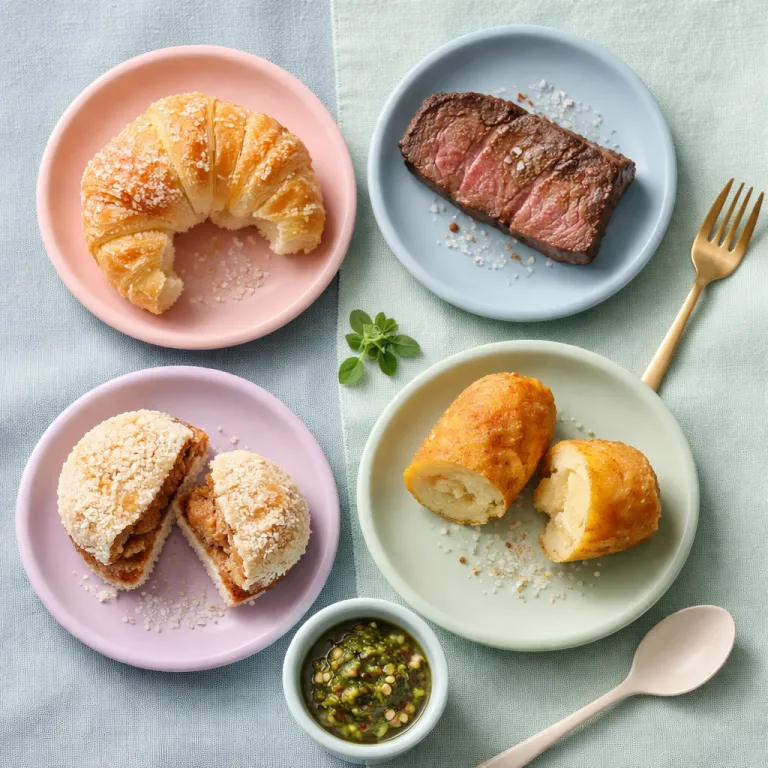
Where to eat in Buenos Aires by neighborhood when you stay in luxury hotels
Knowing where to eat in Buenos Aires starts with understanding the city by barrio. In Buenos Aires, Argentina, each neighborhood offers a different rhythm, a different kind of place, and the right luxury or premium hotel booking website should guide you through that map before you even land. Couples who plan their Buenos Aires dining in advance usually end up with better tables, better rooms and a smoother flow between restaurant, bar and hotel.
Think of Buenos Aires as a city built around the table, where people talk about meat and steak the way others talk about art. Many of the best restaurants cluster in a few key areas, and choosing a hotel in Palermo, Recoleta, Puerto Madero or San Telmo quietly decides how you will eat in Buenos Aires every day. A curated website that focuses on luxury stays in Buenos Aires can match you with the right restaurant reservations, late night bar options and even private food tours before you confirm your suite.
Palermo concentrates many of the best restaurants Buenos Aires has to offer, from parrilla temples to creative small plates. San Telmo keeps the old soul of the city alive, with parrillas, classic pizza institutions and markets that still smell of grilled meat at noon. Recoleta and Puerto Madero lean more polished, where a luxury hotel restaurant or riverside steakhouse can be the perfect place to eat when you want comfort food without leaving the building.
For couples using a premium booking website, the question is not only where to eat in Buenos Aires but how far you want to walk after a long dinner. Some prefer to stay in Palermo so they can move between restaurant, bar and hotel on foot, tasting different Buenos Aires restaurants every night. Others choose Recoleta or Puerto Madero, where a single great restaurant inside or next to the hotel can handle both early dinners and late night drinks with a view of the city lights.
Buenos Aires is also a city where ice cream and dulce de leche matter as much as steak, so location shapes your dessert rituals too. Staying near Avenida Corrientes, for example, means you can walk from a theater to a traditional pizza spot and then to an heladería for dulce de leche granizado in under fifteen minutes. A well designed hotel booking website should highlight these micro itineraries, not just show room photos, because deciding where to eat in Buenos Aires is inseparable from where you sleep.
Palermo: creative restaurants, natural wine bars and hotel dining worth planning around
Palermo is the neighborhood where choosing what to eat in Buenos Aires becomes a nightly game of choices, not compromises. The area stretches across Palermo Soho and Palermo Hollywood, and the best restaurants cluster around tree lined streets that feel made for slow walks back to your hotel. For couples booking luxury stays, this is the barrio where a single evening can move from parrilla to natural wine bar to late night ice cream without ever calling a taxi.
Don Julio sits at the center of this map, a restaurant in Palermo that many consider one of the city’s essential steak addresses. International rankings and local word of mouth back that reputation, and it is widely regarded as a benchmark parrilla. A smart hotel booking website will not only mention Don Julio but also explain how to time your reservation, how to pair your steak with Argentine wine and how to walk back through the quiet streets of Buenos Aires after midnight.
Nearby, La Cabrera and Las Cabras offer different ways to enjoy Buenos Aires style meat, with generous cuts and sides that feel like comfort food for two. Proper, set in a former mechanic’s workshop, shows another side of Buenos Aires, where chefs push beyond steak into fire driven, seasonal cooking that suits guests who already know the classic parrilla experience. Ness, a notable newer restaurant, adds to the sense that Palermo is the place where the city keeps reinventing its food language.
Palermo is also where you find Niño Gordo, a restaurant that blends Asian flavors with Argentine meat in a way that feels playful rather than forced. Couples who ask where to eat in Buenos Aires for one memorable, slightly theatrical night often end up here, sharing plates under neon light before walking back to a nearby hotel. When a booking website highlights Niño Gordo alongside Don Julio and Proper, it signals that it understands both tradition and experimentation in the city.
The neighborhood’s bar scene matters too, especially for guests who like to start or end the evening with a serious cocktail. Many of the best restaurants Buenos Aires has created in Palermo now sit within a few blocks of natural wine bars and speakeasy style spots, which makes hotel location critical. If you choose a Palermo hotel with strong in house dining, such as a refined restaurant in Palermo Hollywood described in this guide to refined hotel dining in Palermo Hollywood, you can alternate between staying in and exploring the surrounding streets without ever repeating the same kind of place twice.
San Telmo: parrillas, cobblestones and the old soul of Buenos Aires on a plate
San Telmo answers the question of where to eat in Buenos Aires when you want history with your steak. The barrio’s cobbled streets, antique shops and traditional cafés create a mood that suits couples who prefer character over polish in both hotels and restaurants. Staying here means you can walk from your room to a parrilla where the asador still decides your cut of meat, then wander home past tango bars and late night kiosks.
Many visitors come to San Telmo for its Sunday market, but the real pleasure lies in lingering after the crowds leave and the grills heat up. This is where to try Buenos Aires style steak in parrillas that have served the same cuts to generations of people, often with a glass of Malbec and a plate of fries or grilled vegetables. A good booking website will highlight which streets feel lively but safe at night, and which restaurants regular visitors actually return to rather than just photograph once.
Parrilla Peña, although technically closer to the Recoleta side of the city, often appears in conversations about traditional meat houses that share San Telmo’s spirit. Couples who care about finding an unpretentious, deeply Argentine steak experience should consider a taxi ride there from San Telmo, then back to their hotel for a nightcap. It is the kind of place where the focus stays on the steak, the chimichurri and the conversation, not on design details.
San Telmo also offers some of the best food tours in the city, ideal for guests who like structure on their first night. A well curated website can connect you with guides who move from market stalls to hidden restaurants, explaining why dulce de leche appears in so many desserts and why pizza Buenos Aires style is thicker and cheesier than its Italian cousins. These tours help you understand where to eat in Buenos Aires across the whole city, not just in one barrio.
If you are serious about parrillas, read this deep dive into how the asador decides your cut in Buenos Aires before you book. It will change how you order meat in San Telmo, from bife de chorizo to tira de asado, and help you judge which restaurant respects the fire properly. Pair that knowledge with a characterful hotel nearby, and San Telmo becomes not just a place where you eat Buenos Aires classics but where you feel the city’s older heartbeat.
Recoleta and Avenida Corrientes: classic cafés, pizza rituals and hotel dining rooms
Recoleta is where to eat in Buenos Aires when you want elegance, white tablecloths and the sense that the city has dressed up for dinner. Many of the best hotels in Buenos Aires sit here, and their restaurants often double as destinations for locals celebrating anniversaries or business deals. For couples, this means you can enjoy steak, pasta or fish without leaving the building, then step out for a slow walk past the famous cemetery and plazas.
The neighborhood’s cafés and confiterías are as important as its fine dining rooms. This is the part of the city where people linger over medialunas, café con leche and slices of cake layered with dulce de leche, turning breakfast into a small ceremony. A thoughtful booking website will point you toward these institutions, not just the newest restaurants Buenos Aires has opened, because they shape your daily rhythm as much as any dinner reservation.
From Recoleta, it is a short ride to Avenida Corrientes, the artery where theater marquees, bookshops and pizza Buenos Aires institutions line up in bright succession. This is where to eat Buenos Aires style pizza by the slice at the counter, often standing shoulder to shoulder with office workers and families before or after a show. Couples staying in Recoleta can easily turn a night at the theater into a three stop itinerary of pizza, ice cream and a final drink at a nearby bar.
One simple route: start with a slice on Corrientes, walk five minutes to an heladería on a side street for dulce de leche ice cream, then take a ten minute taxi back to your Recoleta hotel. That short loop captures how locals actually move through the city at night. When a hotel booking website includes these humble addresses alongside the best restaurants Buenos Aires offers, it shows an understanding of everyday eating habits.
Literary minded travelers often connect Recoleta and Corrientes with the city’s intellectual history, thinking of Jorge Luis Borges walking these streets and turning Buenos Aires into fiction. Staying in this part of the city lets you move from a café that might have hosted a young Borges to a modern restaurant where chefs reinterpret Argentine food for a new generation. It is another way of answering where to eat in Buenos Aires, by following both the pages and the plates through the city.
Puerto Madero and the waterfront: where to eat Buenos Aires with a view
Puerto Madero is the answer to where to eat in Buenos Aires when you want water, glass and skyline in the same frame. The neighborhood’s docks have been transformed into a polished strip of restaurants and bars, many of them focused on steak and seafood for both locals and visitors. Couples staying in luxury hotels here can walk straight from the lobby to a riverside table, which is particularly appealing after a long flight to Argentina.
The area’s Buenos Aires style restaurants tend to be larger and more theatrical than those in Palermo or San Telmo, with open grills, big wine lists and terraces that catch the evening light. This is a good place to eat local classics like ojo de bife or lomo while watching ships move slowly along the docks. A premium booking website should help you sort the genuinely good kitchens from the merely well located ones, steering you toward the best restaurants with consistent meat quality and service.
Puerto Madero also works well for couples who like to mix business and leisure, since many corporate offices sit nearby and hotel meeting rooms connect easily to the waterfront. You can spend the day in meetings, then step out to a restaurant where the sommelier guides you through Argentina’s wine regions while the asador handles your steak. For guests asking where to eat in Buenos Aires when time is tight, this concentration of options within a few hundred metres is a real advantage.
While the neighborhood is known for steak, it is also a strong place for seafood and lighter dishes, which matters on longer stays. Alternating between meat heavy dinners and meals built around fish, vegetables or pasta helps you enjoy the city’s food without fatigue, especially if you are here for more than a few nights. A good website will suggest this balance, perhaps pairing a serious parrilla one evening with a more Mediterranean restaurant the next.
After dinner, Puerto Madero’s bars and hotel lounges offer a softer, more polished late night than the bohemian energy of Palermo. You can sit with a cocktail, watch the city lights reflect on the water and plan where to eat in Buenos Aires the following day, whether that means a taxi to San Telmo or a reservation back in Palermo. For many couples, this combination of view, comfort and easy logistics makes Puerto Madero an ideal base for a first visit to Buenos Aires.
Planning your stay: using a luxury hotel website to map where to eat Buenos Aires
For discerning travelers, the real value of a luxury hotel booking website lies in how well it connects rooms to restaurants. When you search where to eat in Buenos Aires, you are rarely just looking for a list of names; you want a map that links your hotel choice to specific dinners, bars and late night walks. A site dedicated to Buenos Aires should therefore show you not only photos of suites but also curated dining itineraries from each property.
Start by deciding which barrio best matches your eating style, then choose a hotel that lets you walk to at least two or three great restaurants. If you love creative food and natural wine, Palermo with Don Julio, Proper and Niño Gordo within reach will feel like home. If you prefer classic elegance and the ability to enjoy Buenos Aires cuisine without leaving your building, Recoleta or Puerto Madero may suit you better.
Look for booking platforms that mention specific restaurant names, not just generic claims about being near the best restaurants. When a website talks about Don Julio, Parrilla Peña, Avenida Corrientes pizza and San Telmo parrillas in detail, you know it has actually walked the city. That level of specificity is what turns a simple hotel search into a tool for planning where to eat in Buenos Aires across several nights.
Couples should also pay attention to how a site describes timing and logistics. Does it explain that some Buenos Aires restaurants open late, that prime steakhouse tables might require reservations weeks ahead and that food tours can be a smart first night choice? These details matter as much as room size when you are trying to decide where to stay and where to eat in Buenos Aires on a limited schedule.
For longer itineraries that combine the city with vineyards or Patagonia, consult this guide to an elegant city and nature escape in Argentina. It will help you understand how many nights to allocate to Buenos Aires itself, and therefore how many restaurant reservations you can realistically make. From there, a well structured hotel booking website becomes your control panel for both beds and tables, ensuring that every evening in Buenos Aires ends at the right restaurant for you.
Beyond steak: ice cream, dulce de leche and late night rituals in Buenos Aires
As you refine where to eat in Buenos Aires for your trip, remember that the city’s sweetest rituals happen after dinner. Ice cream parlors stay open late, and locals treat helado as seriously as they treat steak, debating which place serves the best dulce de leche flavor with the same intensity they reserve for parrillas. Choosing a hotel near a good heladería can quietly improve your stay, especially if you like to walk after a heavy meal.
In Palermo, Recoleta and along Avenida Corrientes, you will find ice cream shops every few blocks, many of them offering multiple versions of dulce de leche alongside chocolate, fruit and nut flavors. Couples can turn this into a nightly ritual, leaving a restaurant to share a small tub on a bench or back in their room, talking about where to eat in Buenos Aires the next day. A thoughtful booking website might even include a short list of favorite heladerías near each featured hotel, acknowledging that dessert is part of the city’s hospitality culture.
Late night in Buenos Aires also belongs to bars, cafés and pizzerias that stay open long after midnight. You might leave a restaurant in San Telmo or Palermo and still find a bar pouring cocktails, a café serving tostados or a pizza Buenos Aires counter sliding slices across the marble. For couples, this means you can keep the evening going at your own pace, moving from formal dining room to casual comfort food without ever feeling rushed.
Literary ghosts accompany these walks too, especially in neighborhoods associated with Jorge Luis Borges and other writers who turned the city into a labyrinth of stories. You may pass a corner mentioned in a Borges tale on your way from a restaurant to a bar, or find a bookshop still open near Avenida Corrientes after a late show. These layers of culture make the question of where to eat in Buenos Aires more than a practical concern; they turn each night into a small narrative.
In the end, the best restaurants Buenos Aires offers will stay with you, but so will the smaller details: the first spoonful of dulce de leche ice cream, the sound of plates in a crowded parrilla, the quiet walk back to your hotel under jacaranda trees. A luxury focused booking website that understands these textures will not just tell you where to eat in Buenos Aires; it will help you choreograph evenings that feel both effortless and deeply rooted in the city. That is what transforms a stay in Buenos Aires from a simple trip into a shared memory you will argue about, fondly, for years.
Key figures about dining and restaurants in Buenos Aires
- Buenos Aires is home to thousands of restaurants across the city, according to local tourism estimates, which means couples can eat in a different place every night for months without repeating a table.
- Don Julio in Palermo regularly appears on influential international restaurant lists, a visibility that confirms its status as one of the most sought after steak destinations in Argentina and beyond.
- Top parrillas such as Don Julio and La Cabrera operate daily for lunch or dinner, so reservations made through your hotel or a trusted website are strongly recommended to secure prime times.
- The rise of innovative dining concepts in Buenos Aires, including venues like Proper and Niño Gordo, reflects a broader shift toward fusion cuisine and sustainable sourcing in the city’s food scene.
FAQ about where to eat in Buenos Aires from a luxury traveler’s perspective
What is the best steakhouse in Buenos Aires for a first visit ?
For a first visit, Don Julio in Palermo is the most reliable choice, combining exceptional meat quality, attentive service and a setting that feels both local and celebratory. Its frequent appearance on international rankings reinforces its reputation, so book well in advance through your hotel or a trusted website. If you cannot secure a table, La Cabrera and Parrilla Peña are strong alternatives for classic Argentine steak.
Do I need reservations for the top restaurants in Buenos Aires ?
Yes, reservations are essential for the best restaurants in Buenos Aires, especially for dinner and weekends. Steakhouses like Don Julio and La Cabrera often fill their prime slots weeks ahead, and many creative spots in Palermo operate with limited seating. Ask your hotel concierge or booking platform to secure tables as soon as your travel dates are fixed.
Are there good options beyond steak for several nights in the city ?
Buenos Aires offers far more than steak, with excellent seafood, pasta, vegetarian dishes and contemporary tasting menus across neighborhoods like Palermo, Recoleta and Puerto Madero. Restaurants such as Proper and Niño Gordo showcase inventive cooking that balances meat with vegetables and global influences. Alternating parrillas with these kitchens keeps longer stays varied and lighter.
Can vegetarians and vegans eat well in Buenos Aires ?
Vegetarians and vegans can eat well in Buenos Aires, particularly in Palermo, where many restaurants highlight seasonal produce, grains and plant based dishes. Even traditional parrillas now tend to offer grilled vegetables, salads and cheese based plates that work for non meat eaters. When booking hotels, look for concierges or websites that explicitly mention vegetarian friendly recommendations.
Which neighborhood is best for food focused couples choosing a hotel ?
For couples who prioritize dining, Palermo is usually the best base, thanks to its dense concentration of top restaurants, bars and cafés within walking distance. San Telmo suits those who want a more historic, atmospheric setting with traditional parrillas, while Recoleta and Puerto Madero appeal to travelers who value elegant hotel dining rooms and easy access to the waterfront or cultural landmarks. Your ideal barrio depends on whether you prefer creative kitchens, classic steakhouses or polished hotel restaurants.