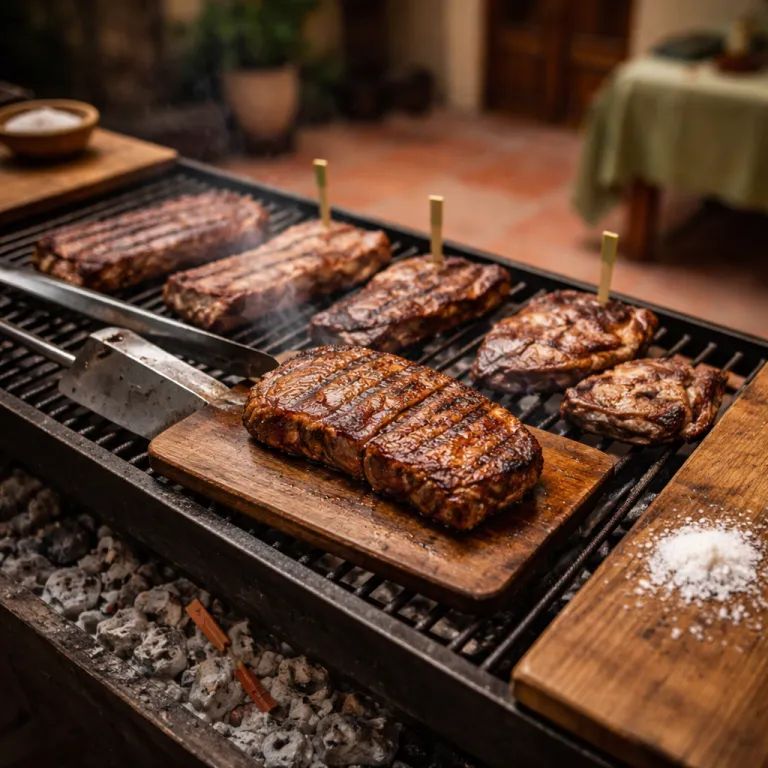
Why parrilla in Buenos Aires now belongs on your luxury hotel shortlist
In Buenos Aires, the classic parrilla has shifted from casual neighborhood fixture to a refined ritual that shapes how discerning travelers choose their hotel. The city’s atmosphere feels different when your concierge can secure a counter seat at a serious live fire kitchen, where Argentine beef is treated with the same precision as a tasting menu and the wine list reads like a love letter to Malbec. For many guests, the promise of the best steak within walking distance now matters as much as the thread count or the spa menu.
Parrilla in Buenos Aires means more than a plate of steak and a glass of wine; it is a choreography of asado technique, patient timing and a quiet respect for beef that locals guard fiercely. Official statistics from Argentina’s agriculture and livestock sector often place annual beef consumption per person at roughly 45–50 kilograms, and that appetite underpins a culture where cuts such as bife de lomo, ojo de bife and entraña are everyday language rather than specialist jargon. When you book a luxury stay, you are effectively booking into this culture, and the city’s best addresses are those that understand how deeply parrillas shape the rhythm of Buenos Aires.
Live fire cooking has become one of the defining global food trends, and Buenos Aires sits at its spiritual center with parrillas ranging from traditional family rooms to design led temples of smoke. International restaurant guides and awards have highlighted how chefs worldwide now treat fire as a precision instrument, and in this city that mindset has sharpened the work of the asador who stands at the parrilla. For the solo explorer, this evolution means you can sit at the grill counter, watch skirt steak and rib eye hiss over quebracho embers, and feel part of the room without needing a reservation for a large table.
From neighborhood grill to destination dining: how parrilla culture is evolving
The phrase parrilla Buenos Aires once conjured a simple image; a good place on a corner in Palermo or San Telmo, a chalkboard listing bife de chorizo and bife de lomo, and a bottle of house wine that kept refilling. That world still exists in long loved spots such as Parrilla Peña in central Buenos Aires or Parrilla 83 in Caballito, where generous portions of Argentine beef arrive on metal platters and the focus is on comfort rather than spectacle. Yet a new generation of parrillas is pushing the format into destination dining, where reservations are planned long before flights are booked.
Don Julio in Palermo Soho, on the corner of Guatemala and Gurruchaga, remains the benchmark, a parrilla where the asador moves between hanging meat cuts and the glowing grill with the calm of a conductor, and where the cellar depth turns a simple steak into a study in terroir. Here, ordering a strip steak or ojo de bife becomes a conversation about aging, provenance and how you like your fat to render over time, and the staff will quietly steer you toward the best parrilla combinations of cut and vintage. Around the corner, Las Cabras offers a more relaxed energy in Palermo Hollywood, with shared platters of asado, bife de chorizo and skirt steak that suit solo travelers who want to taste widely without over ordering.
The evolution continues in newer spaces such as Anchoita in Chacarita, where months ahead reservations signal how parrilla Buenos Aires has moved firmly into the realm of fine dining. Here the grill anchors a broader menu, and the wine list leans into small producers, but the heart remains Argentine meat kissed by smoke and handled with restraint. For guests staying in design forward hotels around Fitz Roy Street in Palermo Hollywood, this new wave of parrillas in Buenos Aires means you can step from rooftop pool to world class rib eye within minutes, without sacrificing the ease and safety that luxury travelers expect.
Refined dining at a Palermo Hollywood hotel restaurant shows how hotel kitchens themselves are starting to echo this live fire precision, blurring the line between neighborhood parrilla and in house destination. When your room key unlocks both a spa elevator and a serious grill, the decision to stay in Buenos Aires rather than another South American capital becomes very simple. Luxury here is not only about marble bathrooms; it is about being able to walk downstairs and order the best steak of your trip cooked exactly over the coals you have been dreaming about.
Choosing a luxury hotel by its parrilla map: Palermo, San Telmo and beyond
For a luxury or premium booking, the smartest way to filter hotels in Buenos Aires is to start with a parrilla map rather than a generic neighborhood guide. Palermo Soho and Palermo Hollywood form the obvious first cluster, with Don Julio, La Cabrera and Las Cabras anchoring a triangle of steak, wine and late night pavement tables that solo travelers can navigate on foot. Staying near Fitz Roy or Thames streets places you within a short walk of these top parrillas, and the area’s density of design hotels means you can move between rooftop bars and smoky grills without ever needing a taxi.
San Telmo offers a different mood, where cobbled streets and antique shops frame more traditional parrillas in Buenos Aires that lean into history and slower time. Here, the asado feels almost ceremonial, and ordering a bife de lomo or ojo de bife becomes part of an evening that might also include a milonga or a quiet glass of Malbec in a tiled café. Luxury properties in this barrio tend to be smaller and more discreet, but their concierges often have deep relationships with local parrilla owners, which matters when you want a last minute table at a place that technically stopped taking bookings hours ago.
Beyond these headline barrios, central Buenos Aires around the Obelisco hides stalwarts like Parrilla Peña, where locals line up for bife de lomo and classic sides at lunch and dinner. Further out, La Parri in Núñez and Parrilla 83 in Almagro show how Argentine meat culture extends across the city, and a well connected hotel team can arrange transfers so you enjoy these rooms without worrying about logistics. When you use a curated booking platform such as stay in buenos aires dot com, you are effectively choosing hotels whose staff already think this way, matching you with properties where the phrase Buenos Aires best parrillas is more than marketing copy.
On our own platform, we pair each featured hotel with a short parrilla Buenos Aires briefing that lists walking distance options, essential meat cuts to try and the style of wine list you can expect nearby. That might mean highlighting a quiet place for a solo strip steak at the bar, or a great terrace where you can linger over rib eye and people watching until late. If you are planning spa time as seriously as grill time, our guide to exclusive spa treatments for discerning travelers helps you balance deep tissue massages with equally deep char marks on your next bife de chorizo.
How to order like a local: meat cuts, wine lists and solo counter seats
Understanding the language of a parrilla in Buenos Aires turns a simple dinner into a confident, almost ceremonial experience. Start with the cuts; bife de lomo is the tenderloin, lean and elegant, while ojo de bife is the rib eye, marbled and generous, and bife de chorizo sits somewhere between, a strip steak with a satisfying fat cap that crisps beautifully over the coals. Skirt steak, known locally as entraña, brings intense flavor and a looser texture, and many parrillas in Buenos Aires will happily serve it in half portions, which is ideal when you are dining alone and want to taste more than one style of Argentine meat.
When you sit down, do not rush to order everything at once, because parrilla service is built around time and pacing rather than a single drop of food. Ask the waiter or the asador which meat cuts are shining that day, and be open to suggestions that might include less familiar options alongside the classic best steak choices, such as a well aged bife de lomo or a thick cut ojo de bife cooked medium rare. Many of the best parrillas now offer thoughtful wine lists that go beyond Malbec, so consider starting with a glass of high altitude Cabernet Franc before moving to a bottle that can carry you through asado, sides and a shared dessert.
Solo travelers should look for parrillas with counter seating facing the grill, a format that has become more common as live fire cooking gains prestige. At places like Don Julio or newer addresses inspired by Anchoita’s meticulous approach, you can sit within a meter of the parrilla, watch the asador manage rib eye, skirt steak and sausages, and ask quiet questions about technique without feeling intrusive. This is where the communal nature of parrilla Buenos Aires culture becomes an asset; you might arrive alone, but by the time your second glass of wine appears, you will likely be comparing notes on the best steak in the room with the couple seated beside you.
Local tourism guidance for visitors to Buenos Aires is refreshingly straightforward on the basics of parrilla etiquette and planning: “Reserve in advance for popular parrillas. Try various cuts to experience different flavors. Pair meats with local wines.” Those three sentences capture the essence of eating well in this city, and they align perfectly with how we evaluate hotel concierges and guest relations teams. The properties we recommend are the ones that can secure those reservations, translate that list of meat cuts into a tailored plan for your palate, and ensure that your glass is never empty when the asado arrives.
Designing a parrilla focused stay: from spa mornings to fire lit nights
Planning a luxury stay around parrilla Buenos Aires culture does not mean sacrificing rest, wellness or quiet time; it simply means structuring your days so that fire becomes the evening’s focal point. Many high end hotels in Palermo Soho and Palermo Hollywood now offer late checkouts and flexible spa schedules, which lets you spend the afternoon between steam rooms and rooftop pools before heading out for a long asado dinner. Think of it as a rhythm; slow mornings, light lunches, then a carefully chosen place each night where steak, wine and conversation stretch until close to midnight.
A typical three night itinerary might start with a classic benchmark such as Don Julio or La Cabrera, where you can calibrate your sense of what Argentine beef should taste like at its most traditional. The second evening could move to a more contemporary room influenced by Anchoita’s precision, where the parrilla shares space with a raw bar or small plates, and where the wine list leans into minimal intervention producers from Mendoza and Patagonia. On the final night, you might choose a lower key neighborhood spot like Las Cabras or Parrilla Peña, where the focus returns to generous portions of bife de chorizo, bife de lomo and ojo de bife served in a relaxed, almost familial atmosphere.
Throughout this kind of stay, your hotel becomes the quiet anchor that makes the intensity of parrillas in Buenos Aires feel effortless rather than overwhelming. A strong concierge team will time your reservations so you can walk to most dinners, arrange cars when needed, and suggest lighter daytime food options so that each best steak still feels like a pleasure rather than a challenge. For solo explorers, this support is invaluable; it turns a city of endless food options into a curated sequence of great places, where every night at the parrilla feels both new and reassuringly well planned.
FAQ
What is a parrilla in Buenos Aires ?
A parrilla in Buenos Aires is either the physical grill used for live fire cooking or the restaurant built around it, where Argentine meat is cooked slowly over wood or charcoal. These spaces specialize in beef, especially cuts such as bife de lomo, ojo de bife and entraña, alongside sausages and offal. In the context of luxury travel, the term usually refers to serious steakhouses where the asador’s technique and the wine list are central to the experience.
Do I need reservations for popular parrillas ?
Reservations are strongly recommended for the best parrillas in Buenos Aires, especially at places such as Don Julio, La Cabrera and Anchoita. Prime time dinner slots between 20:30 and 22:30 fill quickly, and some restaurants open their books weeks or even months in advance. Your hotel concierge can often secure better time options than you will find online, particularly if the property has an ongoing relationship with the restaurant.
Which meat cuts should I try first ?
First time visitors should start with a classic trio of bife de chorizo, bife de lomo and ojo de bife to understand the spectrum from lean tenderness to rich marbling. Skirt steak, or entraña, is another essential cut, prized for its deep flavor and slightly chewy texture when cooked quickly over high heat. Many parrillas in Buenos Aires will offer half portions, which is ideal if you want to sample several cuts in a single meal.
How do luxury hotels integrate parrilla experiences into a stay ?
Luxury and premium hotels in Buenos Aires increasingly treat parrilla culture as a core part of their guest offering rather than an optional extra. Concierges maintain up to date shortlists of nearby parrillas, manage reservations, arrange transfers and often brief guests on local etiquette, recommended meat cuts and wine pairings. Some properties also collaborate with specific restaurants for priority seating or curated tasting menus that showcase Argentine beef and regional wines.
Is Buenos Aires a good destination for solo travelers who love steak ?
Buenos Aires is an excellent city for solo travelers who are serious about steak and parrilla culture, thanks to its safe, walkable neighborhoods and the communal nature of asado dining. Many modern parrillas feature counter seating at the grill, which makes it easy to dine alone while still feeling part of the room and to chat with staff or neighboring guests. Choosing a hotel in Palermo Soho, Palermo Hollywood or San Telmo places you within easy reach of multiple great places, so you can build a relaxed, food focused itinerary without complicated logistics.