How buenos aires food culture traditions shape a luxury family stay
Buenos Aires is a city where meals are social choreography, not logistics. For families booking luxury hotels, understanding buenos aires food culture traditions means aligning your day with the local rhythm rather than fighting it. The reward is that every shared plate, from morning medialunas to midnight pizza, becomes part of your memory of the city.
In this argentine capital, food is a language that blends spanish heritage, waves of italian immigrants and the gaucho love of meat into one expressive cuisine. High end hotels now curate culinary experiences that translate these aires food rituals for guests, from private yerba mate ceremonies to parrilla masterclasses timed between lunch and dinner. When you plan where to stay, ask how the property connects you to the surrounding food culture rather than just listing international dishes on a room service menu.
Families who eat Buenos Aires style quickly see why locals defend their favourite parrilla, their chosen pizza bar on Avenida Corrientes and their preferred ice cream counter with near religious intensity. In this city italian influences are everywhere, from ham and cheese tostados at merienda to thick pizza dripping with mozzarella and tomato sauce after a theatre show. The best luxury hotels act as a discreet guide Buenos Aires, steering you to the right table at the right hour so your children experience argentina through flavours, not just museum visits.
The Sunday asado: argentina’s longest lunch, explained for hotel guests
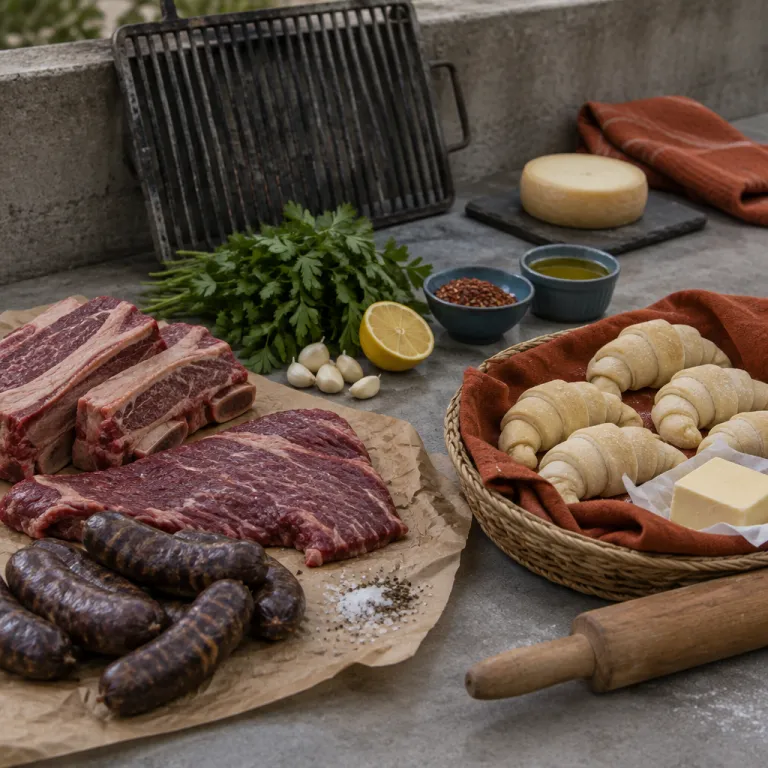
The Sunday asado is the backbone of buenos aires food culture traditions, and it runs on its own generous clock. What looks like a simple barbecue is in fact a four hour social ritual where cuts of meat arrive in a strict order and conversation matters as much as the grill. When an Argentine family invites you, they are not offering a quick meal but welcoming you into their weekly ceremony.
Luxury hotels in Buenos Aires now design asado experiences that respect this rhythm rather than compressing it into a rushed lunch dinner slot. Some properties partner with private estancias outside the city, where guests watch the asador manage fire, smoke and meat with almost meditative focus. Others arrange terrace parrillas in Palermo Hollywood or San Telmo, pairing each wave of dishes with argentine wines while a local host explains why dulce de leche and quince paste often appear at the sweet end of the feast.
For families, timing is crucial because children tire before the last chorizo hits the grill if you misjudge the schedule. Plan a light breakfast, then let the asado replace both lunch and dinner, with hotel concierges arranging late check outs or spa access the next morning so you can recover at your own pace. If you want to understand why national publications such as National Geographic call Buenos Aires one of the world’s great meat capitals, this is the meal that proves it plate by plate.
To deepen that perspective, read how the city’s fine dining scene is evolving in the Michelin era in this analysis of four new Michelin stars for Buenos Aires and Mendoza, then contrast those tasting menus with the primal simplicity of a family asado.
Merienda and café culture: why 6 p.m. is not dinner time
Visitors who try to eat Buenos Aires style quickly learn that the city’s clock runs late. Lunch usually lands between 13:00 and 15:00, while dinner rarely starts before 21:00, which can unsettle families used to earlier routines. The elegant solution is to embrace merienda, the late afternoon pause that quietly structures buenos aires food culture traditions.
Merienda is when cafés fill with parents, children and grandparents sharing medialunas, facturas and ham and cheese tostados alongside café con leche or frothy submarinos. In Palermo Soho and Palermo Hollywood, luxury hotels often partner with nearby cream shops and pastry counters so guests can sample the best dulce de leche filled pastries or ice cream without hunting across the city. This is also the perfect moment to try yerba mate in a relaxed setting, with hotel staff explaining why mate is shared from one gourd as a sign of trust and community.
For families staying near San Telmo or the Microcentro, concierges can map a gentle merienda walk that links historic cafés, gelato bars and plazas where children can run between bites. Many properties now include curated café stops in their printed guide Buenos Aires, highlighting where to order thick hot chocolate, where the pizza by the slice is surprisingly good and where to find traditional quince paste pastries. If you align naps, museum visits and pool time around this merienda anchor, the late argentine dinner suddenly feels natural rather than exhausting.
When the weather cools, pairing this café circuit with a thermal circuit can be particularly appealing, and you will find thoughtful suggestions in this feature on why cold weather is the best time for a thermal escape.
Pizza, ice cream and empanadas: the everyday rituals families should follow
Buenos Aires pizza is its own category, thick and lavish with cheese, shaped by italian immigrants yet fiercely local. On Avenida Corrientes, the late night queue for a slice of fugazzeta after a theatre show is a civic ritual as important as the performance itself. Families staying in central hotels can walk from lobby to pizzería in minutes, letting children feel the city’s pulse while they eat Buenos style.
Ask your concierge which city italian style pizzería suits your family, because some specialise in tomato sauce heavy pies while others focus on mozzarella rich slabs that almost qualify as ham and cheese casseroles. Many luxury properties now offer pre theatre pizza tastings, so you can sample several traditional toppings before joining the locals on Corrientes. These curated experiences help visitors understand how pizza, once an immigrant comfort food, became one of the best loved dishes in the argentine capital and a pillar of buenos aires food culture traditions.
Ice cream and empanadas complete the daily picture, and both reward repetition rather than one off tastings. Porteños argue about the best ice cream and the most authentic dulce de leche flavour with the same intensity they reserve for football, and high end hotels often maintain shortlists of nearby cream shops for guests. Empanadas, whether filled with meat, cheese or humita, appear at every hour, and the small corner shop near your hotel in Palermo Soho or San Telmo can tell you as much about the neighbourhood as any glossy restaurant.
For a more refined take on how contemporary chefs reinterpret these staples, consider booking a table through your hotel at the restaurant at Hotel Fierro in Palermo Hollywood, where the kitchen plays with dulce de leche, quince paste and other pantry icons in polished, family friendly menus.
Designing your hotel stay around buenos aires food culture traditions
Choosing a luxury hotel in Buenos Aires is not only about thread count and spa menus. For families, the most rewarding stays come from properties that help you live inside buenos aires food culture traditions rather than observing them from a distance. That means concierges who know which parrilla welcomes children at 22:00 and which café will happily serve a second round of medialunas at 18:30 without rushing you.
Look for hotels in Palermo Soho, Palermo Hollywood or near San Telmo that offer flexible meal times, kid friendly room service and curated neighbourhood walks focused on food. A strong property will map where to find traditional dishes, from milanesa and grilled meat to dulce de leche filled alfajores, alongside more contemporary cuisine that reflects the city’s italian and spanish roots. Some even arrange private yerba mate tastings on the terrace, explaining how argentina built a national ritual around this bitter infusion and why sharing mate matters as much as the drink itself.
Families who align their sightseeing with the local eating clock avoid the frustration of closed kitchens and empty dining rooms. Plan museum visits in the late morning, a generous lunch between 13:00 and 15:00, merienda as your anchor between 17:00 and 19:00, then a relaxed dinner after 21:00, perhaps starting with a plate of ham and cheese picadas. When your hotel understands that food culture is part of the city’s identity, every day feels like a well edited itinerary rather than a race between meals.
FAQ
What time do locals usually eat in Buenos Aires ?
In Buenos Aires, lunch typically starts around 13:00 and can stretch to 15:00, while dinner rarely begins before 21:00. Many families with children bridge the gap with merienda, a late afternoon snack of pastries and café con leche between 17:00 and 19:00. Luxury hotels that understand this rhythm often adjust room service and concierge recommendations so visitors can follow local habits comfortably.
How long does a traditional Sunday asado last ?
A traditional Sunday asado in Buenos Aires usually lasts at least four hours, and often longer when extended families gather. Guests arrive slowly, sharing cheese, cured meats and mate while the asador manages the fire before the main cuts of meat appear. If your hotel arranges an asado experience, plan for it to replace both lunch and dinner rather than squeezing it between other activities.
Is Buenos Aires pizza suitable for children who prefer simple flavours ?
Buenos Aires pizza is very child friendly because it leans heavily on mild mozzarella, soft dough and straightforward toppings. Many pizzerías on Avenida Corrientes and in Palermo offer classic cheese or ham and cheese options alongside more elaborate combinations. Hotel concierges can recommend specific venues where service is quick, portions are shareable and the atmosphere is relaxed enough for families.
Where should families stay to enjoy buenos aires food culture traditions ?
Neighbourhoods such as Palermo Soho, Palermo Hollywood and San Telmo work especially well for families interested in food. These areas combine walkable streets, a dense mix of cafés, parrillas, pizza bars and ice cream parlours, plus a range of luxury and premium hotels. Staying there means you can reach merienda spots, parrillas and late night pizzerías on foot, which is invaluable when travelling with children.
Can luxury hotels arrange yerba mate or cooking experiences for guests ?
Many upscale hotels in Buenos Aires now offer curated culinary experiences that include yerba mate ceremonies, empanada workshops or guided tastings of dulce de leche and regional dishes. These activities help visitors understand how argentina’s food culture connects family life, immigration history and daily rituals. When booking, ask the hotel directly which experiences they host in house and which they organise with trusted local partners.