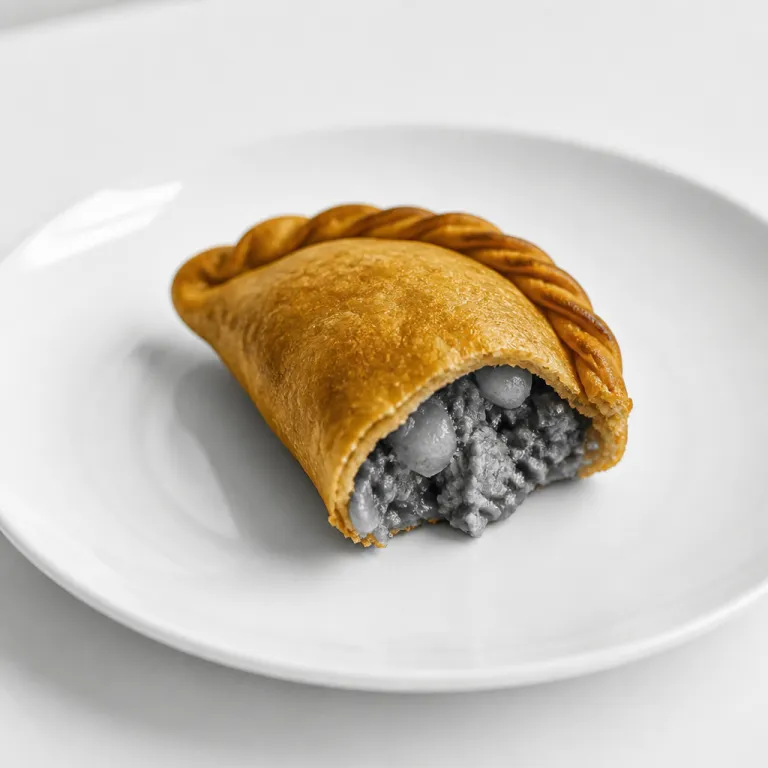
Why neo-bodegón chefs matter for luxury travelers
The most interesting tables in Buenos Aires right now are not always in white tablecloth palaces. A new generation of neo bodegon buenos aires chefs is quietly reshaping how the city thinks about argentine comfort food, and luxury travelers who care about flavor and narrative should pay attention. These cooks work in intimate spaces where the dining room feels like a neighborhood living room, yet the technique rivals serious fine dining in latin america.
Neo bodegón refers to chefs taking the classic bodegon, the traditional argentina corner restaurant, and rebuilding it with modern precision while keeping its soul. Instead of chasing a michelin star image, they chase the feeling of a crowded sunday table, where the menu includes generous dishes, loud aires food conversations and a wine list that respects both malbec and small producers. For guests booking premium hotels in buenos aires, these restaurants offer the missing link between polished hospitality and the city’s everyday life.
From Recoleta to Palermo’s buzzing streets around Avenida Cabrera, concierges now recommend neo bodegón addresses alongside parrillas and grand cafés. The best way to understand buenos aires is to sit at a table where grilled provoleta, french fries cooked in beef fat and dulce de leche desserts arrive with the ease of a family meal but the balance of a michelin bib gourmand style kitchen. When you plan your stay, treat these modern bodegon experiences as seriously as you would a tasting menu at a landmark restaurant in latin america.
Mengano and chef Facundo Kelemen: the new neighborhood benchmark
Mengano is a clear expression of how neo bodegon buenos aires chefs are rewriting the rules without losing the plot. Opened in 2019 on a quiet Palermo street, this restaurant feels like a casa chorizo refitted for a new era, with a compact dining room, open kitchen views and a bar that encourages solo travelers to linger. The atmosphere is relaxed, but the food signals intent from the first plate.
Chef Facundo Kelemen, often referred to simply as chef Facundo, leads Mengano with a sharp respect for argentine tradition. The menu features reworked bodegon staples, where the menu includes playful takes on milanesa, offal and grilled provoleta, all treated with the discipline you would expect from a kitchen chasing america best lists. In 2022, Mengano appeared on the extended list of Latin America's 50 Best Restaurants at position 82, according to the organization’s published ranking, underlining how a small modern bodegon in buenos aires can now stand beside heavyweight fine dining rooms across latin america.
Facundo Kelemen and his team use modern techniques and contemporary equipment, yet the flavors stay firmly rooted in buenos aires memories. A plate of crispy rice layered with slow cooked beef, for example, nods to both asian textures and argentine stews, while french fries arrive shatter crisp, the kind of aires food detail locals obsess over. For hotel guests, Mengano is the restaurant that proves you can have a relaxed night out and still eat at one of the best addresses in argentina.
Inside the neo-bodegón menu: from beef to dulce de leche
Reading a neo bodegón menu in buenos aires is like leafing through the city’s collective memory. You will see beef in many forms, from slow braises to grilled cuts, but also vegetables treated with the same respect, a sign that neo bodegon buenos aires chefs understand global shifts without abandoning local taste. The menu features both classic preparations and modern compositions, often on the same page.
Expect a section where the menu includes small plates designed for sharing at the table, such as crispy rice topped with charred vegetables, grilled provoleta with herbs or papas fritas that go far beyond standard french fries. Larger dishes might reinterpret casa chorizo Sunday roasts, turning familiar argentina flavors into layered plates that would not feel out of place in a michelin level dining room, even if the restaurant itself is more relaxed than formal fine dining. Desserts usually close with dulce de leche in some form, from refined flans to modern pastries that still taste like childhood in buenos aires.
Wine lists in these restaurants tend to be compact but thoughtful, often highlighting argentina regions beyond Mendoza and pairing naturally with rich aires food. You might find a short but sharp wine list that privileges freshness over power, ideal for cutting through beef heavy dishes and creamy sauces. For travelers staying in luxury hotels, asking the concierge to secure a table where the menu features this balance of classic and modern is now as essential as booking a parrilla.
How to spot a genuine neo-bodegón from your hotel
Not every restaurant calling itself a bodegon in buenos aires belongs to this new wave. Genuine neo bodegon buenos aires chefs usually work in spaces that feel lived in rather than themed, often in converted houses or low key corners rather than on the most obvious tourist streets. The dining room will be warm and busy, but the plates landing on each table show a precision that goes beyond nostalgia.
Look for menus where the menu includes a short list of dishes that change with the seasons, instead of a laminated book of everything under the sun. A real modern bodegon might serve grilled provoleta with pickled vegetables, beef cheeks over crispy rice or french fries dusted with smoked salt, all signaling a chef driven approach rather than pure volume. Service tends to be informal yet informed, with staff able to explain where the beef comes from, why a certain argentina wine was chosen and how each dish connects to classic bodegon culture.
Price is another indicator for travelers booking premium stays in buenos aires. These restaurants sit between everyday bodegones and high end fine dining, offering serious food at a cost that feels fair for the time and technique involved. Before you arrive, use insider resources such as in depth hotelier perspectives from local concierges and independent argentina restaurant guides to cross check recommendations and avoid tourist facing imitations that trade only on décor.
Planning your stay around neo-bodegón dining
For luxury travelers, the smartest way to experience buenos aires is to align hotel choices with the city’s most interesting restaurants. Staying in or near Palermo, for example, places you within easy reach of Mengano and other addresses where neo bodegon buenos aires chefs are pushing the scene forward. From there, short rides connect you to different barrios, each with its own take on the bodegon tradition.
Concierges at high end properties now understand that guests want more than one big steak dinner during their time in argentina. Ask them to secure reservations at least a few days ahead, especially for small dining rooms where every table counts and the restaurant may hold only a handful of covers. When you book, mention that you are interested in neo bodegón cooking, argentine classics and a wine list that reflects both established and emerging producers across latin america.
To stay ahead of openings, consider subscribing to a local newsletter focused on buenos aires food culture, which often highlights new modern bodegon projects and chef moves. Many of these chefs, including figures like Facundo Kelemen and peers working in the broader aires restaurant scene, collaborate with local farmers and artisan producers, making each visit a snapshot of the city at that moment in time. For travelers who care about where and how they dine, planning around these restaurants turns a hotel stay into a deeper conversation with the city’s evolving identity.
FAQ
What is a neo-bodegón in Buenos Aires ?
A neo bodegón in buenos aires is a modern take on the traditional argentine bodegon, the neighborhood restaurant known for generous portions and unfussy service. In this new wave, chefs use contemporary techniques and better sourcing while keeping the familiar flavors and relaxed dining rhythm. As one definition puts it, “A modern take on traditional Argentine bodegón restaurants.”
Who are the key neo-bodegón chefs travelers should know ?
Two names stand out when discussing neo bodegon buenos aires chefs for discerning visitors. Facundo Kelemen, or chef Facundo, runs Mengano, a modern bodegon recognized among important restaurants in latin america, while Francisco Giambirtone leads Hierro Bodegón in the Colegiales neighborhood with a similar respect for classic flavors. Both chefs show how argentine food can be simultaneously nostalgic and forward looking without chasing a formal michelin style image.
How should I book neo-bodegón restaurants from my hotel ?
These restaurants often have compact dining rooms, so reserving a table in advance is essential, especially on weekends. Use your hotel concierge to call directly, since online systems may not always reflect last minute availability in buenos aires. Mention any preferences, such as wanting to try specific dishes like grilled provoleta, crispy rice plates or beef focused mains, so the team can guide you on the best time to dine.
Are neo-bodegón restaurants suitable for solo travelers ?
Neo bodegon buenos aires chefs design their spaces to feel social rather than formal, which makes them ideal for solo explorers. Many have counters or bar seating where you can enjoy a full menu, a focused wine list and attentive service without feeling out of place. For guests staying in luxury hotels, these restaurants offer a relaxed way to experience serious food without committing to a long fine dining tasting menu.
How do neo-bodegón spots differ from traditional parrillas ?
Traditional parrillas in argentina focus primarily on grilled beef and offal, often in large, meat centric portions. Neo bodegón restaurants still respect beef and live fire cooking, but their menu features a wider range of dishes, from vegetables to reworked classics, and a more curated approach to aires food and wine. For travelers, this means you can enjoy the depth of buenos aires cuisine beyond steak, while still feeling the city’s culinary DNA at every table.