Puerto madero buenos aires argentina for luxury‑minded travelers
Puerto madero Buenos Aires Argentina offers a refined waterfront setting for guests who value calm. This former port area was transformed through ambitious urban planning into a high value neighborhood with luxury hotels and residences. Today the madero district feels distinct from the rest of the city yet remains closely connected to central Buenos Aires.
The neighborhood follows the original dock layout, with long east west basins framed by restored brick warehouses and contemporary glass towers. These docks once received cargo ships that were vital to the port of Buenos Aires, but increasing ship sizes left the infrastructure obsolete and underused. The decision to redevelop the old port honored the legacy of merchant Eduardo Madero while opening the city Buenos to the Río de la Plata again.
Staying in puerto madero places you between the historic center and the ecological reserve that borders the river. On one side you reach Plaza de Mayo, San Telmo, and the traditional cultural area of the city within minutes. On the other, you step directly into the Costanera Sur ecological reserve, a rare expanse of wetlands and trails beside the Río de la Plata.
For travelers comparing neighborhoods, puerto madero contrasts strongly with Palermo and San Telmo. Palermo offers lively nightlife around Plaza Serrano and a more bohemian atmosphere, while San Telmo focuses on antiques, tango, and cobbled streets. In puerto madero Buenos Aires Argentina, the mood is quieter, with high rise silhouettes, wide avenues, and a polished waterfront promenade.
Architecture, riverfront walks, and iconic bridges in the madero area
The visual identity of madero puerto is defined by its mix of heritage docks and contemporary towers. Along each dock, former warehouses now host restaurants, hotels, and offices that overlook the calm water basins. Behind them, high rise buildings line every avenue, creating a modern skyline that feels closer to a financial district than a traditional port.
One of the best things to experience here is the Puente de la Mujer, designed by Santiago Calatrava. This elegant white bridge spans one of the docks and has become a symbol of puerto madero Buenos Aires Argentina. Its rotating structure recalls the movement of ships turning in the port, while its sculptural form frames views of the city Buenos and the Río de la Plata.
Walking the length of each dock allows you to appreciate how the area connects the city with the riverfront. On one side you see the preserved cranes and moorings that once served cargo ships, and on the other the glass façades of hotels and residences. The bridge network, including Puente de la Mujer and several smaller crossings, links the east west banks and makes the neighborhood easy to explore on foot.
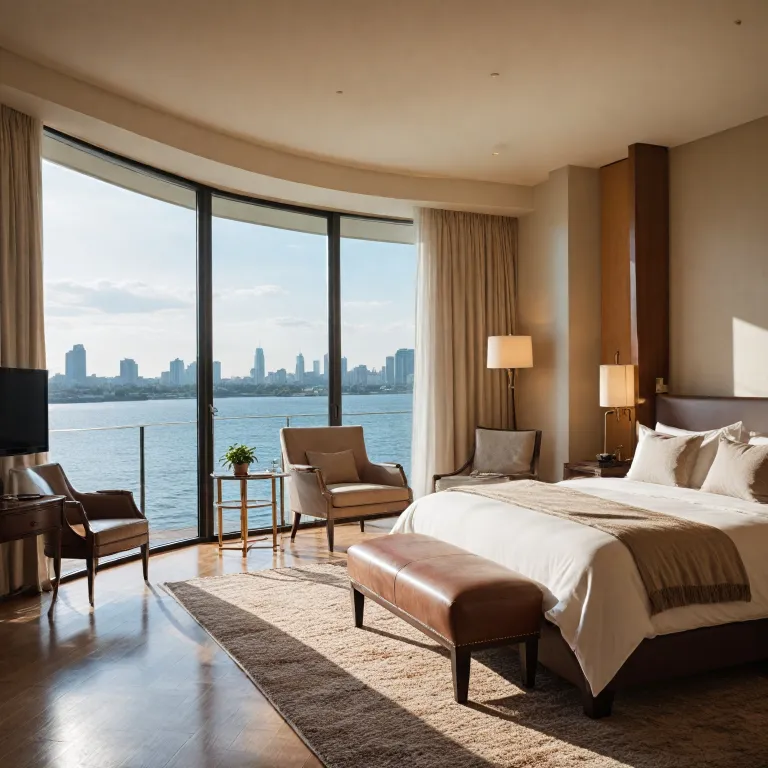
Travelers seeking rooms with panoramic perspectives should consider properties that emphasize balconies and terraces. Many luxury hotels here highlight their river and city views, and guides to Buenos Aires luxury hotels with balcony and sweeping vistas can help refine your shortlist. From these vantage points, the contrast between the historic port, the modern madero Buenos skyline, and the distant Palermo towers becomes especially striking.
Art, museums, and cultural experiences around puerto madero
Beyond its hotels and restaurants, puerto madero Buenos Aires Argentina offers meaningful cultural experiences. The neighborhood sits between the historic core and newer developments, which makes it a convenient base for exploring museums and galleries across the city. Guests can walk or take short rides to major cultural center venues while returning each evening to the calm of the docks.
One highlight is the Fortabat Art Collection, housed in a contemporary building facing the water. This museum presents a carefully curated art collection that includes European works, American art, and Latin American pieces. The Fortabat Art galleries provide a focused alternative to larger institutions, ideal for travelers who prefer intimate spaces and clear narratives.
From puerto madero, it is easy to reach the main fine arts museum in Recoleta and smaller spaces in Palermo and San Telmo. Each neighborhood adds a different layer to the cultural map of Buenos Aires, from street murals to classical sculpture. Staying in madero puerto allows you to move efficiently between these areas while enjoying a quieter base than the busier nightlife zones.
Travelers who value skyline panoramas can also look for properties that emphasize elevated perspectives. Curated overviews of Buenos Aires luxury hotels with city views are particularly relevant here, where high rise towers frame the docks. From upper floors you can see the Río de la Plata, the ecological reserve, and the historic dome line of the city Buenos in a single sweep.
Ecological reserve, riverfront nature, and outdoor activities
One of the best things about puerto madero Buenos Aires Argentina is its immediate access to nature. Just beyond the last dock lies the Costanera Sur ecological reserve, a protected area of wetlands, lagoons, and native vegetation. This ecological reserve offers walking and cycling paths that contrast sharply with the polished avenues and high rise buildings of madero Buenos.
Guests can start the day with a stroll along the riverfront, watching ships and small boats move along the Río de la Plata. While the original port no longer receives large cargo ships, the sense of connection to the water remains strong. Benches and viewpoints along the promenade allow you to pause and take in the wide horizon beyond the city Buenos skyline.
The ecological reserve is also a valuable resource for families and business travelers seeking a break from meetings. Paths are mostly flat and accessible, making it easy to combine light exercise with birdwatching or photography. The contrast between the natural landscape and the structured docks of puerto madero underlines how thoroughly the area has been reimagined.
When choosing a hotel, consider how close it sits to the reserve entrances and the main riverfront paths. Properties near the southern end of the neighborhood often provide faster access to the green area and quieter surroundings. For more guidance on how to book a suite in Buenos Aires that balances nature, views, and service, specialized resources such as experience refined comfort when booking a suite in Buenos Aires can be particularly helpful.
Comparing puerto madero with Palermo, San Telmo, and other districts
Choosing where to stay in Buenos Aires often means comparing puerto madero with Palermo and San Telmo. Each neighborhood offers a distinct atmosphere, and understanding these differences helps you select the best setting for your trip. Puerto madero Buenos Aires Argentina stands out for its waterfront location, contemporary architecture, and relatively low noise levels at night.
Palermo, especially around Plaza Serrano, is known for its bars, independent shops, and creative scene. Streets here are more irregular, and low rise buildings create a village like feeling within the larger city Buenos. Travelers who prioritize nightlife and informal dining may find Palermo appealing, though it can feel busier and less structured than the madero area.
San Telmo, by contrast, emphasizes history, antiques markets, and tango culture. Its cobbled streets and preserved façades evoke the early port era, when ships and traders shaped the identity of Buenos Aires. Staying in puerto madero allows you to visit San Telmo easily while returning to a more contemporary environment with wider avenues and modern services.
For many guests, the best things about madero puerto include its safety perception, walkable layout, and proximity to both the ecological reserve and the central business district. The neighborhood’s high rise profile also means a larger selection of rooms with river or city views. When evaluating options, consider how you plan to balance cultural exploration, dining, and rest, then match each area’s character to your priorities.
Practical guidance for booking luxury hotels in puerto madero
Booking a luxury hotel in puerto madero Buenos Aires Argentina requires attention to a few specific details. First, consider whether you prefer a view of the docks, the Río de la Plata, or the city Buenos skyline. Rooms facing the water often feel calmer, while those oriented toward the historic center highlight the contrast between the old port and the rest of the city.
Next, evaluate how each property integrates the neighborhood’s assets into its services. Some hotels emphasize access to the ecological reserve with early breakfast options and fitness programs that include outdoor activities. Others focus on gastronomy, using the restored dock warehouses to host restaurants that overlook the basins where ships once moored.
It is also worth checking how easily you can reach Palermo, San Telmo, and the main cultural center venues from your chosen address. Direct routes along major avenue corridors reduce travel time and make it simpler to attend performances or museum visits. When possible, look for concierges who are familiar with the Fortabat Art Collection, local galleries, and seasonal events across Buenos Aires.
Finally, pay attention to how each hotel presents its connection to puerto madero and the broader story of the port. Properties that reference Eduardo Madero, the original dock design, and the transformation from cargo ships to high rise living often provide richer context. As one local overview notes, “Puerto Madero is known for its successful urban redevelopment, transforming a former port area into a modern, upscale neighborhood with high-rise buildings, luxury hotels, and a vibrant dining scene.”
Key figures and essential questions about puerto madero
The scale of puerto madero Buenos Aires Argentina helps explain its distinct atmosphere. With an area of approximately 2.1 km², the neighborhood feels compact enough to walk yet large enough to host multiple docks, parks, and high rise clusters. This size also allows hotels to offer varied perspectives, from intimate dock views to wide panoramas of the Río de la Plata.
Population density remains lower here than in many traditional districts of the city Buenos. Earlier counts indicated only several thousand residents, a figure that has grown with new developments but still lags behind Palermo or San Telmo. For travelers, this translates into quieter streets after business hours and a sense of space that is rare in central urban areas.
Property values in madero Buenos are among the highest in Argentina, reflecting sustained demand for riverfront living and premium services. Average prices per square meter for both used and new units significantly exceed many other parts of Buenos Aires. This economic profile supports a concentration of luxury hotels, fine dining, and curated cultural offerings around each dock and avenue.
Key statistics for puerto madero
- Approximate area of the neighborhood : 2.1 km², combining docks, residential towers, offices, and green spaces.
- Population measured in earlier counts : around 6 600 residents, with continued growth as new high rise projects are completed.
- Average property values per square meter : among the highest in the city, supporting a strong focus on premium hospitality and services.
Frequently asked questions about puerto madero
What is Puerto Madero known for ?
Puerto madero Buenos Aires Argentina is widely recognized as a model of urban redevelopment. The area transformed from an obsolete port with disused docks into a modern neighborhood with high rise buildings, luxury hotels, and a lively dining scene along the water. Travelers appreciate its combination of safety perception, walkability, and proximity to both the historic center and the ecological reserve.
How did Puerto Madero get its name ?
The neighborhood takes its name from Eduardo Madero, a merchant who proposed the original port project that shaped this part of Buenos Aires. His design introduced the dock system that still defines the layout of the area, even though the port later became unsuitable for larger ships. Today, the name madero evokes both the historic port function and the contemporary district that rose from its structures.
What are some notable landmarks in Puerto Madero ?
Key landmarks in puerto madero include the Puente de la Mujer by Santiago Calatrava, the Fortabat Art Collection museum, and the Costanera Sur ecological reserve. Visitors also notice the preserved cranes along each dock, which recall the era of cargo ships and industrial activity. Together, these elements create a layered landscape where architecture, art, and nature coexist beside the Río de la Plata.