Understanding Buenos Aires neighborhoods for luxury‑minded travelers
Buenos Aires is a city of 48 officially recognized barrios, each with a distinct personality. For travelers seeking premium stays, understanding how every neighborhood shapes your experience will help you match comfort, culture, and convenience. The Buenos Aires City Government maps these barrios Buenos Aires wide, and this administrative clarity supports informed choices for any luxury focused trip.
Palermo is the largest barrio in the city and a natural starting point for many visitors. With a population above 240,000 people, this area concentrates green parks, high end restaurants, and some of the best places to stay Buenos Aires can offer. At the same time, the Ministry of Security of the City of Buenos Aires notes that Palermo accounts for a notable share of reported robberies, so guests should balance appeal with sensible precautions.
Within Palermo, sub areas such as Palermo Soho, Palermo Hollywood, and Palermo Viejo each create a different rhythm. Palermo Soho and Palermo Hollywood are known for street art, nightlife, and design forward stays, while Palermo Viejo retains a more traditional residential feel. When you read about Buenos Aires neighborhoods in travel media, these three names appear frequently because they combine atmosphere, walkability, and access to the wider city.
Beyond Palermo, other barrios Buenos Aires travelers often compare include Recoleta, San Telmo, Puerto Madero, Belgrano, and Villa Crespo. Each neighborhood or area offers a specific mix of architecture, safety profile, and hotel inventory that will shape your stay. Understanding these contrasts is essential when you want the city best match between your expectations and the reality on the ground in Argentina.
Palermo, Recoleta, and the northern barrios for elegant stays
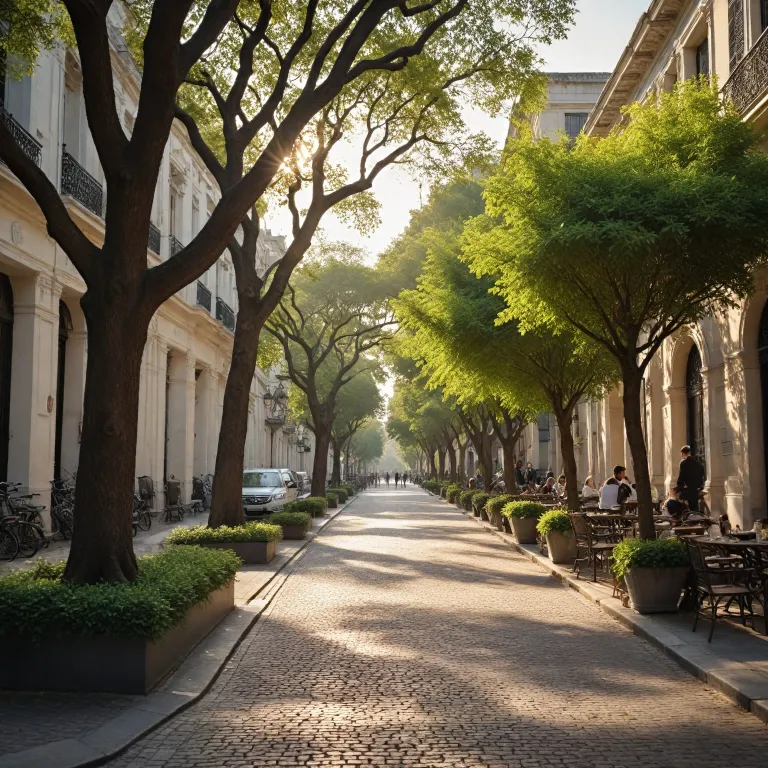
For many visitors, the northern Buenos Aires neighborhoods represent the classic image of the city. Recoleta, Palermo, Belgrano, and Villa Devoto form a corridor of tree lined avenues, stately architecture, and refined urban life. These barrios Buenos Aires wide are also where a large share of luxury and premium hotels concentrate, giving travelers a broad range of options.
Palermo remains the flagship barrio, with Palermo Soho, Palermo Hollywood, and Palermo Viejo each offering a different way to stay. Palermo Soho mixes fashion, cafés, and street art, while Palermo Hollywood focuses on gastronomy and nightlife, and Palermo Viejo feels more residential yet still stylish. In all these areas, you will find some of the city best hotel products, from international brands to intimate design focused properties often described as boutique hotels in marketing materials.
Recoleta is another of the best Buenos Aires neighborhoods for guests who value heritage and calm. Around its plazas and avenues, premium hotels overlook historic mansions, cultural centers, and the famous cemetery, creating a sophisticated urban resort atmosphere. This neighborhood and area also benefits from relatively central positioning, allowing easy access to San Nicolás, Plaza Mayo, and other downtown landmarks.
Farther north, Belgrano and Villa Devoto offer a quieter residential experience within the city. These barrios Buenos Aires travelers choose when they want space, leafy streets, and a more local rhythm, while still enjoying upscale apartments and select high end hotels. For deeper professional insight into how hoteliers position properties across these barrios, you can consult exclusive insights from hoteliers in Buenos Aires, which examine pricing, service standards, and guest expectations.
San Telmo, Puerto Madero, and the historic‑waterfront contrast
In the south central Buenos Aires neighborhoods, the contrast between San Telmo and Puerto Madero defines two very different luxury experiences. San Telmo is one of the oldest barrios Buenos Aires has, with cobbled streets, antique shops, and a strong arts scene. Puerto Madero, by comparison, is a redeveloped docklands area of glass towers, wide docks, and some of the city best contemporary hotels.
San Telmo appeals to travelers who want character and culture at their doorstep. Around Plaza Dorrego and the surrounding streets, you will find tango venues, galleries, and vibrant street art that make the barrio feel alive day and night. Many premium small scale properties here are marketed as boutique hotels, often set in restored townhouses that preserve original details while adding modern comfort.
Puerto Madero offers a different reading of Buenos Aires as a modern Latin American financial hub. The neighborhood and area is known for lower crime rates compared with some inner city districts, and its waterfront promenade attracts both residents and visitors. High rise hotels here typically emphasize skyline views, spa facilities, and direct access to fine dining, making this one of the best places for travelers who prioritize security and contemporary design.
Between these two barrios, guests can easily reach San Nicolás, Plaza Mayo, and the wider city center. This proximity allows you to stay in a calm, upscale environment while remaining close to business districts and cultural institutions. For a more technical perspective on guest behavior and booking patterns across these waterfront and historic areas, see the analysis in exclusive hotel booking experiences in Buenos Aires, which focuses on premium and luxury segments.
Emerging barrios and creative areas for design‑led stays
Beyond the traditional luxury core, several Buenos Aires neighborhoods are evolving into creative hubs that attract design conscious travelers. Villa Crespo, parts of Palermo, and sections of San Cristóbal and Parque Chacabuco now mix residential calm with new restaurants, galleries, and co working spaces. These barrios Buenos Aires wide often provide better value while still offering access to the city best cultural experiences.
Villa Crespo sits next to Palermo Soho and Palermo Hollywood, yet maintains a more low key, authentic feel. Here, street art covers many walls, and independent designers share space with long standing neighborhood shops, creating a layered urban texture. Premium guesthouses and small hotels, sometimes promoted as boutique hotels, are appearing in converted warehouses and houses, appealing to travelers who want character without the higher prices of central Palermo.
San Cristóbal and Parque Chacabuco are less known internationally, but they are gaining attention among repeat visitors to Buenos Aires. These barrios offer larger residential blocks, local cafés, and parks where you can experience daily life in the city away from the main tourist corridors. While the hotel offer is more limited, high quality serviced apartments and a few upscale properties allow guests to stay Buenos in comfort while exploring a different side of Argentina’s capital.
In all these emerging barrios, the key is to read recent guest feedback carefully and check precise locations. Some streets feel very residential and quiet, while others border busier avenues that connect quickly to Palermo, San Telmo, or Puerto Madero. When evaluating options in these neighborhoods and areas, consider how you will move around the city, and whether you prefer to walk, use public transport, or rely on ride hailing services.
Safety, statistics, and how they shape your hotel choice
Safety is a central concern when selecting among Buenos Aires neighborhoods for a luxury or premium stay. Official data from the Ministry of Security of the City of Buenos Aires show that Palermo and Balvanera register a significant share of reported robberies, reflecting their density and activity levels. At the same time, neighborhoods like Puerto Madero are generally perceived as safer, partly due to controlled access and modern urban planning.
These statistics do not mean you should avoid Palermo, which remains one of the best places to experience the city. Instead, they suggest that guests should choose well located properties, use hotel concierge advice, and remain attentive in busy public spaces. In practice, many travelers stay Buenos in Palermo Soho, Palermo Hollywood, or Palermo Viejo without incident, enjoying parks, restaurants, and street art while following the same precautions they would apply in any large city.
Other barrios Buenos Aires wide, such as San Telmo, San Nicolás, and the area around Plaza Mayo, combine high visitor numbers with mixed safety profiles. In San Telmo, for example, the streets around Plaza Dorrego feel lively and welcoming, yet pickpocketing can occur during crowded markets or events. Reading recent reviews and consulting hotel staff about specific blocks within each neighborhood and area will help you make informed decisions.
When comparing barrios like Recoleta, Belgrano, Villa Devoto, and Parque Chacabuco, consider not only crime statistics but also lighting, foot traffic, and proximity to main avenues. Many premium hotels and serviced apartments in these areas invest in robust security measures, from controlled access to discreet surveillance. By combining official data, local advice, and your own comfort level, you can select the city best match between atmosphere, convenience, and peace of mind.
How luxury booking platforms interpret Buenos Aires barrios
One of the deeper challenges in planning a high end stay is how booking platforms categorize Buenos Aires neighborhoods. Many international sites group multiple barrios Buenos Aires wide under broad labels such as “Palermo area” or “city center,” which can obscure important differences. For travelers seeking luxury or premium experiences, this lack of granularity can lead to mismatched expectations between the listed neighborhood and the actual street.
For example, a property marketed as being in Palermo may actually sit closer to Villa Crespo or Nueva Pompeya, changing the feel of your stay. Similarly, hotels labeled as “downtown” might be in San Nicolás, near Plaza Mayo, or on the edge of San Telmo, each with distinct noise levels and evening atmospheres. This is why it is essential to read maps carefully, cross check the official barrio name, and understand how the city government defines each neighborhood and area.
Specialized platforms focused on Buenos Aires and Argentina often provide more precise barrio information and editorial context. They may highlight whether a hotel lies in Palermo Soho, Palermo Hollywood, Palermo Viejo, Recoleta, Puerto Madero, or Belgrano, and explain what that means for walking, dining, and safety. Many also curate lists of boutique hotels and premium apartments that align with specific traveler profiles, from art lovers in San Telmo to business guests near Puerto Madero.
As you compare options, pay attention to how platforms describe proximity to landmarks such as Plaza Dorrego, Plaza Mayo, major parques, and key avenues. Cross referencing this with official city maps and recent traveler reviews will help you interpret marketing language and avoid confusion. Ultimately, understanding how booking sites translate the complexity of Buenos Aires neighborhoods into simple labels is crucial for choosing the right barrio and ensuring your stay Buenos matches your expectations.
Practical tips for choosing the right barrio for your stay
Selecting the ideal barrio among the many Buenos Aires neighborhoods starts with clarifying your priorities. If you value nightlife, design, and street art, Palermo Soho, Palermo Hollywood, and Villa Crespo will likely suit you best. Travelers seeking classic elegance and centrality often gravitate toward Recoleta, San Nicolás, and the area around Plaza Mayo, where cultural institutions and premium hotels cluster.
For waterfront views and a strong sense of security, Puerto Madero stands out as one of the city best options. Guests who prefer a historic atmosphere with creative energy may choose San Telmo, especially near Plaza Dorrego and the surrounding cobbled streets. Those wanting a more residential feel without leaving the city might consider Belgrano, Villa Devoto, San Cristóbal, or Parque Chacabuco, where parks and local cafés shape daily life.
When you read hotel descriptions, always verify the exact barrio and nearby transport connections. Check how long it will take to reach key attractions across Buenos Aires, including Palermo’s parques, the historic center, and major museums. Pay attention to whether the property is described as a large chain hotel, serviced apartment, or one of the many boutique hotels, as this will influence service style and privacy.
Finally, align your choice of neighborhood and area with the length and purpose of your stay. Short city breaks may benefit from central barrios Buenos Aires wide, while longer trips can justify experimenting with emerging districts like Villa Crespo or Nueva Pompeya. By combining official information from the Buenos Aires City Government, safety guidance from the Ministry of Security of the City of Buenos Aires, and detailed traveler reviews, you can select a barrio that reflects your personal definition of luxury in Argentina’s capital.
Key statistics about Buenos Aires neighborhoods
- Total number of neighborhoods in Buenos Aires : 48 neighborhoods.
- Population of Palermo : 249,016 people.
- Population of Balvanera : 137,521 people.
- Percentage of total robberies in Palermo : 10.3 percent.
- Percentage of total robberies in Balvanera : 7.6 percent.
Questions travelers often ask about Buenos Aires barrios
Which neighborhood in Buenos Aires has the highest population ?
Palermo, with a population of 249,016 as of the 2022 census.
What is the safest neighborhood in Buenos Aires ?
While safety can vary, neighborhoods like Puerto Madero are known for lower crime rates.
Which neighborhoods are known for their cultural attractions ?
San Telmo and Palermo are renowned for their cultural and artistic scenes.