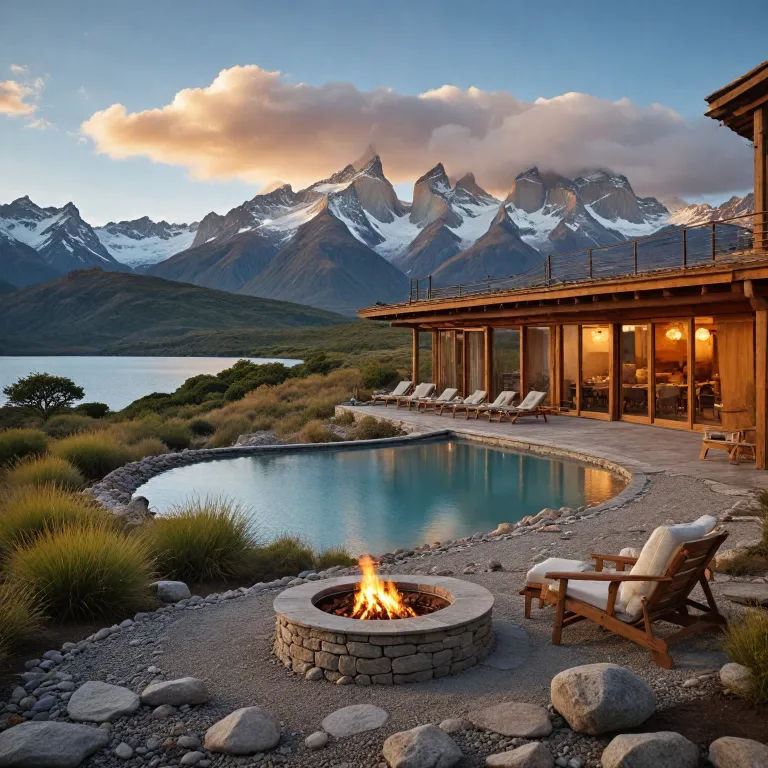
Choosing where to stay in Patagonia for a refined journey
Understanding where to stay in Patagonia begins with clarifying your travel style. Luxury travelers often balance immersive adventure with refined comfort, seeking hotels that frame glaciers, peaks, and lakes like living artwork. In both Argentina and Chile, the most coveted hotels sit close to national parks, yet remain remote enough to preserve silence and privacy.
In Chile, many travelers pair Santiago with a full day or more in Chilean Patagonia, then continue south to Torres del Paine National Park. This park is one of the best known in South America, and its hotels range from all inclusive lodges to intimate estancias that focus on trekking and guided excursions. On the Argentine side, El Calafate and El Chaltén anchor itineraries that include the Perito Moreno Glacier and the Fitz Roy massif.
When planning a trip that combines Chile and Argentina, consider flight schedules, transfer times, and border formalities. A well designed itinerary might include several days in Torres del Paine, followed by a stay near Perito Moreno, then time in Ushuaia near Tierra del Fuego. This structure allows you to experience multiple national parks while minimizing backtracking across vast distances in southern South America.
Staying near Torres del Paine for iconic Patagonian landscapes
For many visitors, the answer to where to stay in Patagonia starts with Torres del Paine. The granite towers, turquoise lakes, and sweeping pampas make this national park a centerpiece of adventure travel in South America. Luxury and premium hotels here are designed to frame the landscape, with floor to ceiling windows and guided activities included in curated programs.
Torres del Paine National Park covers more than 181 000 hectares, so location matters when choosing a hotel. Properties near the Paine River or Lake Pehoé offer quick access to classic viewpoints of the Torres del Paine massif. Others sit in more remote sectors of the park, ideal for travelers who prioritize solitude, wildlife watching, and longer trekking routes.
Many hotels in this region organize full day excursions that combine scenic drives with moderate hikes. Guided Torres del Paine programs often include visits to viewpoints of the Torres del Paine peaks, boat trips on nearby lakes, and wildlife safaris across the park’s open steppe. Yes, there are numerous guided tours available in Torres del Paine National Park, ranging from day hikes to multi-day treks, offered by various tour operators.
Elegant bases in Argentine Patagonia for glaciers and peaks
On the Argentine side, where to stay in Patagonia often centers on El Calafate and El Chaltén. El Calafate serves as the main gateway to Los Glaciares National Park and the Perito Moreno Glacier, with a wide range of hotels from intimate lodges to polished luxury properties. Many travelers choose a hotel with direct lake views, then add a full day excursion to the Moreno Glacier.
Estancia Cristina, located within Los Glaciares National Park, offers a refined yet remote experience. Guests reach this historic estancia by boat, then spend the day or several days exploring trails, horseback riding, or learning about the region’s ranching heritage. The combination of glacier views, history, and curated service makes it one of the best places to stay for travelers who value both culture and landscape.
Farther north, El Chaltén is the trekking capital of Argentina, set beneath the Fitz Roy massif. Here, hotels are generally smaller, but premium options still provide excellent dining, spa facilities, and expert guiding services. Many travelers split their trip between El Calafate and El Chaltén, allowing time for both glacier excursions and classic Fitz Roy trekking routes within Argentina’s most dramatic national parks.
Remote luxury lodges and estancias across Patagonia Chile and Argentina
Some travelers define where to stay in Patagonia by remoteness rather than proximity to towns. Across Patagonia Chile and Argentina, estancias and lodges sit on private reserves or within national park buffer zones, offering deep immersion in nature. These properties often include full board, guided activities, and transfers, simplifying logistics in such a vast region.
In Chilean Patagonia, options extend beyond Torres del Paine National Park to areas like the Carretera Austral and Isla Magdalena National Park. Along the Carretera Austral, remote lodges overlook fjords, temperate rainforests, and snow capped peaks, ideal for travelers who enjoy kayaking, fly fishing, and quieter trekking. Las Vertientes Private Nature Reserve in the Los Lagos Region exemplifies this conservation focused approach, emphasizing restoration of native forest ecosystems.
On the Argentine side, estancias near El Calafate and in northern Patagonia combine traditional ranch life with premium hospitality. Guests might spend the day riding across open steppe, then return to the hotel for a tasting menu paired with regional wines. These remote hotels are particularly appealing for multi day stays, allowing you to slow the pace of your trip and appreciate the subtler rhythms of rural South America.
Planning multi destination itineraries across Chile Argentina and Tierra del Fuego
When evaluating where to stay in Patagonia for a longer itinerary, consider how many border crossings you truly need. Combining Chile and Argentina allows you to experience Torres del Paine, Los Glaciares, and Tierra del Fuego within a single trip. However, distances are significant, and each full day of transfer reduces time available for trekking or glacier excursions.
Many high end travelers structure their journey around three main hubs. First, several nights in a view hotel near Torres del Paine National Park, focusing on classic Torres del Paine and Paine National viewpoints. Second, time in El Calafate for the Perito Moreno Glacier and a visit to Glaciarium, a modern interpretation center that deepens understanding of regional ice fields.
Third, a stay in Ushuaia, gateway to Tierra del Fuego National Park and cruises toward Cape Horn. This combination showcases different faces of Patagonia, from jagged peaks to beech forests and island channels. For travelers interested in urban contrast, it is possible to add a city stay through a premium platform such as elevated living rentals, then continue south to Patagonia for the wilderness portion of the journey.
Day experiences, trekking, and national parks for luxury travelers
Choosing where to stay in Patagonia also depends on the activities you value most. If trekking is central to your trip, prioritize hotels with direct access to trailheads in Torres del Paine, Fitz Roy, or Paine National sectors. Many properties offer guided full day hikes, shorter day walks, and vehicle supported excursions for guests who prefer lighter physical demands.
National parks such as Torres del Paine, Los Glaciares, and Isla Magdalena protect some of the best landscapes in South America. Within these parks, regulations limit hotel construction, so many premium properties sit just outside boundaries while still offering quick access. Travelers interested in wildlife can arrange day trips focused on condors, guanacos, and marine life, while others may prefer glacier navigation or photography focused outings.
To make the most of each day, discuss your priorities with the hotel’s travel planning team before arrival. They can advise on the best seasons for trekking, the logistics of visiting multiple national parks, and how to balance rest with adventure. Book accommodations in advance, especially during peak seasons, and prepare for varying weather conditions ; pack appropriate clothing and familiarize yourself with local customs and regulations.
Practical tips for booking premium hotels and planning your Patagonia trip
For travelers researching where to stay in Patagonia, early planning is essential. Demand for the best hotels near Torres del Paine, Perito Moreno, and Fitz Roy often exceeds supply during the southern summer. Yes, it is highly recommended to book accommodations in advance, especially during peak tourist seasons, to ensure availability.
When comparing hotels across Patagonia Chile and Argentina, look beyond room size and rate. Consider whether the property includes guided excursions, transfers to nearby national parks, and meals, as these elements significantly affect overall value. Some travelers prefer flexible bed and breakfast options, while others appreciate the simplicity of all inclusive programs that cover every day of the trip.
Finally, remember that Patagonia’s weather can change quickly, even within a single day. Pack layers, waterproof outerwear, and sturdy footwear, regardless of whether you plan intense trekking or gentle walks. The best itineraries build in buffer time, allowing you to adjust plans if strong winds or rain affect access to viewpoints in Torres del Paine, Perito Moreno, or Tierra del Fuego.
Key statistics for planning a refined stay in Patagonia
- Torres del Paine National Park extends over approximately 181 414 hectares of protected land.
- The park welcomes more than 300 000 visitors each year, reflecting its global appeal.
- Estancia Cristina has hosted guests for over a century, adding historical depth to modern itineraries.
Essential questions about where to stay in Patagonia
What is the best time to visit Patagonia?
The best time to visit Patagonia is during the southern hemisphere's summer months, from November to March, when the weather is milder and most tourist services are operational.
Are there guided tours available in Torres del Paine National Park?
Yes, there are numerous guided tours available in Torres del Paine National Park, ranging from day hikes to multi-day treks, offered by various tour operators.
Is it necessary to book accommodations in advance in Patagonia?
Yes, it is highly recommended to book accommodations in advance, especially during peak tourist seasons, to ensure availability.
